





An Ayurvedic Monsoon Tradition
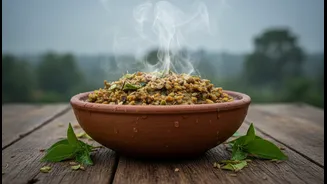
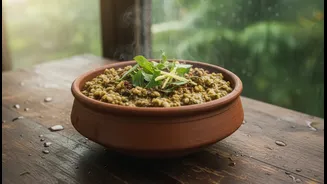
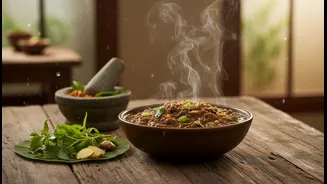
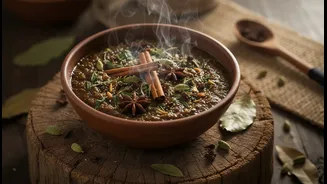
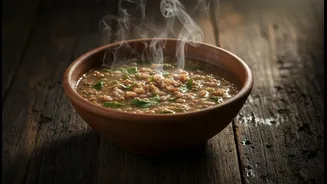
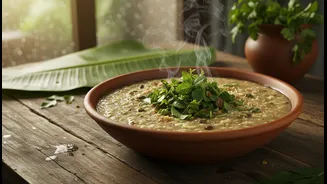
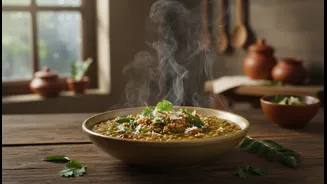
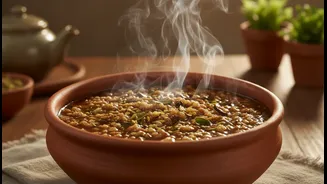
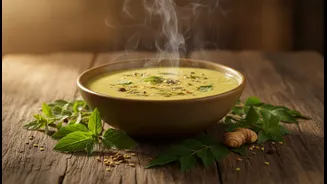
Karkidaka Kanji, also known as Oushadha Kanji or Marunnu Kanji (medicinal porridge), is a cornerstone of monsoon wellness in Kerala. It is traditionally consumed during the Malayalam month of Karkidakam, which typically falls between mid-July and mid-August.
Historically, this was a time of heavy rains, low agricultural output, and increased vulnerability to illness. According to Ayurveda, the body's digestive fire (Agni) is weakest during this damp season, making it susceptible to imbalances. This special porridge was designed to counteract that weakness, acting as both food and medicine to cleanse the system, support digestion, and bolster immunity.
The Power of Its Ingredients
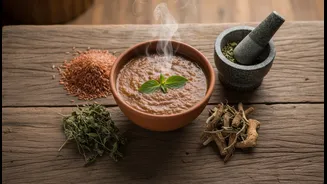
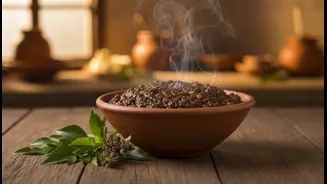
The secret to Karkidaka Kanji’s efficacy lies in its thoughtfully chosen components. The base is often Njavara rice, a unique Keralan grain prized in Ayurveda for being easily digestible and nourishing. This is slow-cooked with warming spices like dry ginger, cumin, and pepper to rekindle digestive strength. Fenugreek seeds are added for their anti-inflammatory properties, while coconut milk provides a nourishing, healthy fat base. The most potent element comes from a blend of medicinal herbs, which can include powerful Ayurvedic formulations like Dashamoola (a mix of ten roots) and Dashapushpam (a mix of ten sacred flowers), each chosen to pacify imbalances and detoxify the body.
The Modern-Day Reinvention
While the tradition is ancient, its modern application is wonderfully flexible. Recognizing that not everyone has access to a long list of rare herbs, many are creating simplified, yet effective, versions at home. The core principles of using warming spices and easily digestible grains remain. Packaged Karkidaka Kanji kits, containing pre-portioned Njavara rice and the essential herbal powders, have become popular for their convenience. But the innovation doesn't stop there. Home cooks are personalizing their kanji by adding shallots sautéed in ghee for flavour, or palm jaggery for a touch of sweetness. Some are swapping traditional rice for other healthy grains like broken wheat or even quinoa to suit their dietary preferences.
Adapting Kanji for Your Kitchen
Bringing this tradition home is simpler than it sounds. Since there is no single, rigid recipe, you can adapt it to your taste and what’s available. You can start with a base of red rice and pressure cook it with fenugreek seeds, a pinch of turmeric, and powdered ginger and cumin. Once cooked, a swirl of coconut milk adds creaminess and richness. For a modern twist, consider turning it into a breakfast bowl. Top your warm porridge with toasted nuts, seeds, or fresh fruit for added texture and nutrients. Some have even blended the cooled kanji into a smoothie, combining ancient wellness with a contemporary format. The key is to honour the spirit of the dish—warm, nourishing, and gentle on the digestive system.
A Return to Food as Medicine
The renewed interest in Karkidaka Kanji is part of a larger movement across India towards embracing ancestral food wisdom for modern health. Much like turmeric lattes and moringa-infused dishes have gained global popularity, this medicinal porridge represents a powerful, hyperlocal solution to seasonal wellness. It serves as a reminder that traditional kitchens were often the first pharmacies, offering remedies that were both healing and delicious. By exploring and adapting dishes like Karkidaka Kanji, a new generation is ensuring that this valuable culinary and medicinal heritage continues to thrive, providing comfort and strength through the monsoon and beyond.