




The Digital Deep Dive
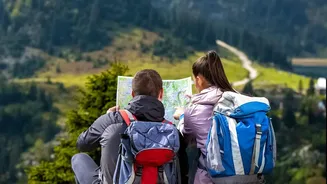
Before the internet, planning a trip involved travel agents and glossy brochures. Now, it's a digital odyssey. A recent survey revealed that over 60% of Indian travellers spend more than 10 hours planning a single trip, with nearly a quarter dedicating
40 hours or more. This extensive research happens across a vast online landscape. Social media platforms like Instagram and YouTube have become primary sources of inspiration, with some reports indicating that over 89% of travellers use these sites for destination research. This digital-first approach allows people to access countless reviews, vlogs, and itineraries, transforming planning from a simple task into an immersive pre-travel experience.
The Quest for Value Over Price
While budget-consciousness remains a key factor for many Indian travellers, the definition of a 'good deal' has evolved. It's no longer just about the lowest price but about securing the best possible value for money. This means travellers are willing to invest more time to ensure their chosen destination, accommodation, and activities align perfectly with their expectations. They are strategically booking flights and hotels weeks or even months in advance to lock in better prices and are becoming more flexible with travel dates and routes to manage costs effectively. This thoughtful spending is also reflected in accommodation choices, with many favouring budget-friendly stays that still offer comfort and a good experience.
From Sightseeing to Soul-Searching
There's a significant move away from traditional, checklist-style tourism towards more meaningful, experience-led travel. Modern Indian travellers are looking for personal fulfillment and trips that align with their interests and lifestyles. This includes a surge in demand for wellness retreats, attending concerts or sporting events abroad, and pursuing hobbies during vacations. Another rising trend is 'anti-itinerary' or flexible travel, where rigid schedules are swapped for spontaneity. This approach allows for deeper immersion in local culture and the discovery of hidden gems, but it requires more upfront research to understand the possibilities a destination offers, even without a fixed plan.
The Paradox of Choice and Group Dynamics
The sheer volume of online information can be a double-edged sword. While it empowers travellers with options, it also creates a 'paradox of choice' that can be overwhelming and time-consuming to navigate. For those planning group trips, the complexity multiplies. A recent survey highlighted that coordinating schedules and managing budgets are the biggest sources of stress for Indian travel planners. More than 75% of these planners said a crucial skill is selecting options that minimize disagreements and keep everyone in the group happy, a task that demands extensive comparison of flights, hotels, and activities. The designated planner often remains 'on-duty' throughout the trip, managing bookings and logistics, making the initial research phase even more critical to ensure a smooth journey for everyone.