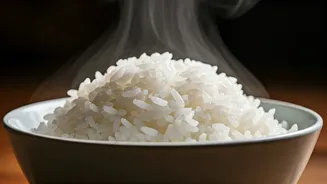



Why Leftover Rice Dries Out
The transformation from fluffy grains to a hard brick is a simple science. When rice cools down, its starch molecules go through a process called retrogradation. [18] During this process, the starches crystallize and push out the water that was absorbed
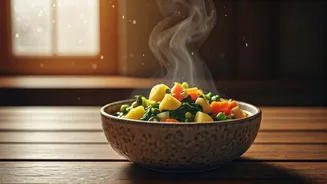
during cooking, resulting in a texture that is dry, firm, and tough. The challenge of reheating, therefore, isn't just about warming the rice up, but about reintroducing that lost moisture to make the grains soft and palatable again. The key to success, regardless of the method you choose, is steam. By adding a small amount of liquid and covering the rice, you create a steamy environment that gently rehydrates each grain, restoring its pleasant texture.
The Principle of Adding Water
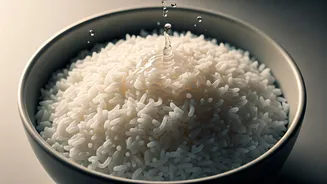
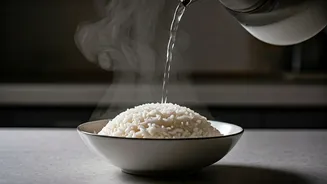
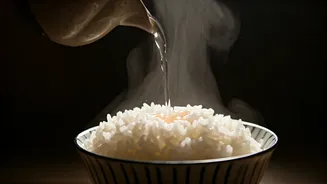
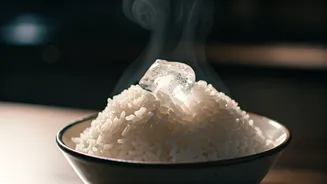
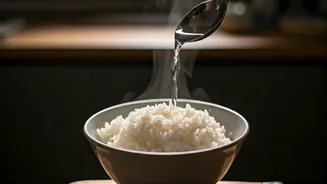
The headline suggests using warm water, which points to the core principle of successful reheating: adding liquid. Whether the water is warm or cold doesn't make a significant difference, as it will turn to steam upon heating. The goal is to sprinkle just enough liquid—about one to two tablespoons per cup of rice—to create steam without making the rice soggy. [2, 3] This technique works for the most common reheating methods, ensuring that the rice tastes freshly made rather than like a sad leftover. Break up any large clumps with a fork before adding the water to allow the steam to penetrate evenly.
The Stovetop Method for Fluffy Rice
For the best texture that most closely resembles freshly cooked rice, the stovetop method is a clear winner. [1, 20] Add your leftover rice to a saucepan or skillet with a tight-fitting lid. Sprinkle about two tablespoons of water or broth over each cup of rice. [3] For extra flavor and richness, you can also add a small pat of butter. [18] Cover the pan and heat over a low flame for about three to five minutes, stirring occasionally until it is steaming hot throughout. [21] The gentle, consistent heat allows the grains to slowly absorb the steam, becoming soft and fluffy without scorching. Once heated, letting it sit off the heat for another minute with the lid on can further enhance the texture. [1]
The Microwave Method for Quick Results
When you're short on time, the microwave is the most convenient option. Place the rice in a microwave-safe bowl and break up any clumps. Add a tablespoon or two of water per cup of rice. [4, 5] The most effective trick is to cover the bowl with a damp paper towel. [1, 2] This provides the necessary moisture to create steam. You can also cover the bowl with a microwave-safe lid, leaving it slightly ajar. Heat on high in short intervals, such as 60 to 90 seconds, fluffing with a fork in between, until the rice is steaming hot all the way through. This prevents overheating and creating rubbery edges.
The Golden Rules of Rice Safety
Beyond texture, the most critical aspect of handling leftover rice is food safety. Uncooked rice can contain spores of a bacterium called Bacillus cereus, which can survive the cooking process. [16] If cooked rice is left at room temperature, these spores can germinate and produce heat-resistant toxins that reheating cannot destroy. [8, 9, 14] Following proper storage and reheating rules is non-negotiable to prevent food poisoning. The symptoms, including vomiting and diarrhea, can appear within hours of consumption. [16]
Cool It Fast, Store It Right
The golden rule is to cool cooked rice as quickly as possible, ideally within one hour. [12, 16, 19] Never leave it to cool on the counter or in the rice cooker for long periods. [17] To speed up cooling, spread the rice in a thin layer on a shallow tray or divide it into smaller, airtight containers before placing it in the refrigerator. [13, 19] Once refrigerated, you should aim to eat the leftover rice within one day for maximum safety. [12, 17] Crucially, you must only reheat rice once. [13, 16] If a takeaway dish contains rice, be mindful that it may have already been reheated, so it's best to eat it fresh. [17]