





Embrace Warm, Cooked Meals
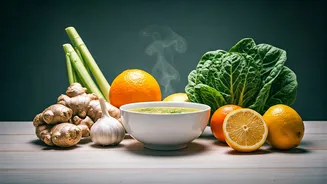
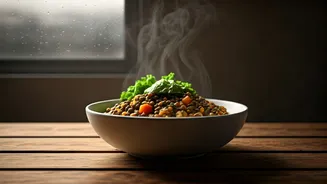
The damp, cool weather of the monsoon naturally calls for warmth. According to Ayurveda and modern nutrition, this is the ideal time to favour warm, freshly cooked meals over raw or cold foods. A warm bowl of soup, for instance, is not only comforting
but also easier for your body to digest. The humid climate can make our digestive system sluggish, so light and warm meals help reduce the strain. Incorporating hot soups made from lentils, tomatoes, or mixed vegetables can provide essential nutrients while keeping you hydrated and warm from the inside out. Simple, home-cooked dishes like khichdi, made with rice and moong dal, are nourishing and exceptionally easy on the stomach, making them a perfect monsoon staple.
Boost Your Immunity with Spices and Herbs
The rainy season is notorious for a spike in infections like colds and flu. Your kitchen cabinet, however, holds some of the best weapons to fight back. Spices like turmeric, ginger, and garlic are renowned for their immunity-boosting properties. Turmeric, with its active compound curcumin, is a powerful anti-inflammatory and antiseptic. Ginger is excellent for soothing a sore throat and aiding digestion, while garlic contains allicin, a compound known for its ability to fight infection. A daily cup of herbal tea or 'kadha' made with ginger, tulsi, black pepper, and a touch of honey can significantly strengthen your body's defences against seasonal ailments.
Choose Seasonal Fruits and Vegetables Wisely
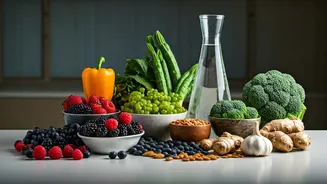
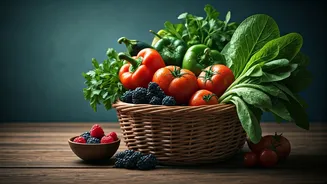
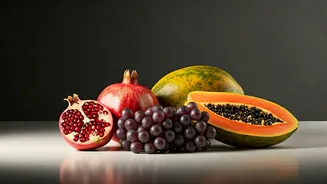
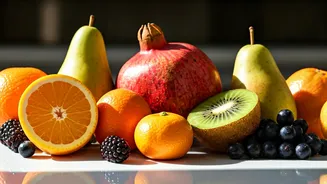
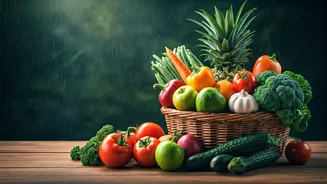
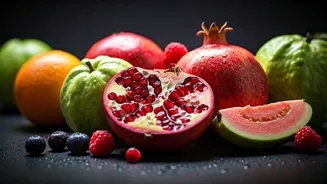
While fruits and vegetables are always important, the monsoon demands careful selection. Opt for seasonal fruits like jamun, pomegranates, apples, and pears, which are packed with essential vitamins and antioxidants. It's generally advised to avoid water-heavy fruits like watermelon and muskmelon, as they can lead to water retention. When it comes to vegetables, gourds like lauki (bottle gourd), turai (ridge gourd), and karela (bitter gourd) are excellent choices as they are light and easy to digest. It's best to be cautious with leafy green vegetables like spinach and cabbage, as the high moisture content during this season makes them prone to germs and dirt. If you do consume them, ensure they are thoroughly washed in clean water and well-cooked.
Support Your Gut with Probiotics
A healthy gut is the cornerstone of a strong immune system. During the monsoon, when digestive issues can be common, including probiotics in your diet is highly beneficial. Yoghurt (dahi) and buttermilk (chaas) are excellent sources of good bacteria that help maintain a healthy gut flora, regulate digestion, and protect against stomach infections. Fermented foods like idli and dhokla are also good options. It's best to consume fresh, homemade curd and avoid having it at night, as per traditional wisdom, to prevent mucus buildup.
Foods to Limit or Avoid
Enjoying the rain doesn't have to mean compromising your health. One of the most important rules for the season is to avoid street food, especially items like chaat and pani puri, which may be prepared with contaminated water. The risk of water-borne diseases is highest during this time. It is also wise to cut back on heavy, oily, and fried foods like pakoras and samosas. While tempting, these foods are hard to digest and can lead to bloating and an upset stomach. Seafood should also be limited, as the monsoon is the breeding season for fish, which increases the risk of contamination and stomach infections. Lastly, avoid raw foods like salads, as uncooked vegetables can carry germs that may cause illness.