




What Exactly Is Perlite?
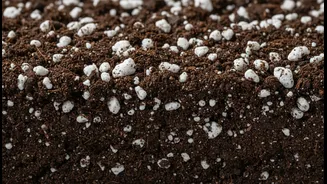
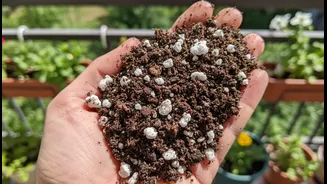
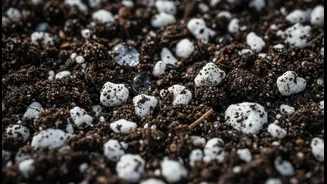
If you've ever inspected a bag of potting soil, you've likely seen them: tiny, white, styrofoam-like balls. That's perlite. But it’s not plastic; it's a naturally occurring volcanic glass. When this glass is heated to extreme temperatures, it pops like popcorn,
expanding into the lightweight, porous granules gardeners love. This 'volcanic popcorn' is sterile, has a neutral pH, and won't break down or decompose in your soil, making it a permanent structural improvement. Its primary job is not to provide nutrients, but to physically alter the texture of the soil for the better.
The Balcony Gardener’s Nemesis: Soil Compaction
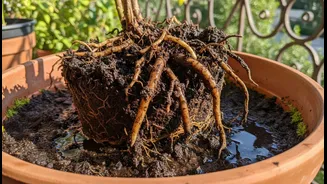
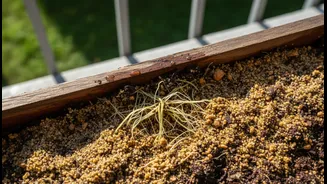
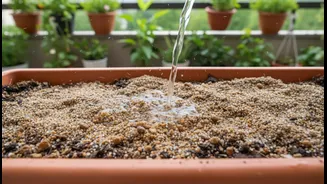
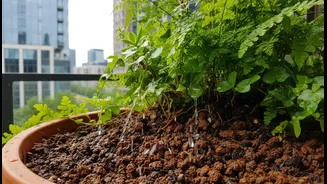
In the confined space of a pot, soil has a tendency to become dense and compacted over time. Every time you water, fine soil particles can wash downward, clogging the air spaces that roots need to breathe. This problem is magnified during periods of heavy rain or frequent watering. Compacted soil leads to poor drainage, waterlogging, and a lack of oxygen at the root zone—a perfect storm for root rot and unhealthy plants. On a balcony, where containers are exposed ecosystems, this compaction can happen surprisingly fast, leaving plants struggling even when they appear fine on the surface.
How Perlite Provides the Solution
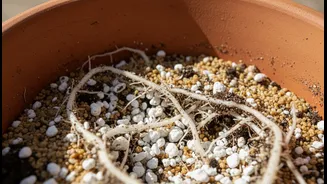
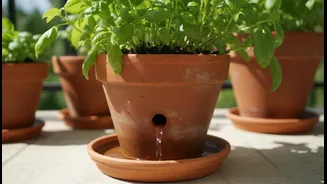
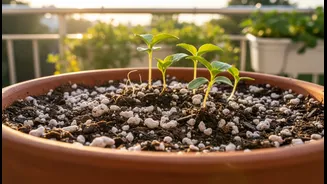
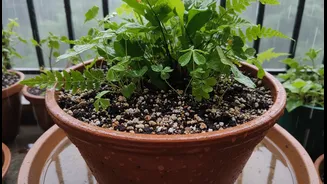
Adding perlite to a soil mix works wonders to prevent compaction. Its rigid, irregular shape creates a network of tiny tunnels and air pockets within the soil. These channels allow excess water to drain away freely, which is crucial during wet weather to prevent roots from sitting in soggy soil. Simultaneously, these same air pockets ensure that a plant's roots get the steady supply of oxygen they need to thrive. Because perlite doesn't compress or break down, it keeps the soil structure loose and airy for the long term, promoting healthier and more vigorous root growth.
A Lightweight Champion for Balconies
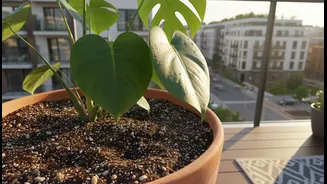
Beyond aeration and drainage, perlite offers a significant benefit for balcony and rooftop gardeners: it is incredibly lightweight. Standard soil can weigh over 100 pounds per cubic foot when wet, posing a serious concern for structures with weight limits. A soil mix amended with perlite is significantly lighter. By replacing some of the heavier soil, compost, or sand with lightweight perlite, you can drastically reduce the overall weight of your containers, making them easier to move and safer for your balcony without sacrificing plant health.
How to Use Perlite in Your Containers
Incorporating perlite is simple. For a general-purpose balcony container mix, a good starting ratio is about one part perlite to three or four parts potting soil or compost. For plants that demand excellent drainage, like succulents, herbs, or cacti, you can increase the ratio to one part perlite for every one part soil. You can either buy potting mixes that already contain perlite or add it yourself to create a custom blend. When mixing, it's a good idea to moisten the perlite first to minimise dust. Thoroughly combine it with your other soil ingredients until it's evenly distributed before planting.