





Monitor Weather and Official Alerts
Before you step out, knowledge is your best defense. The India Meteorological Department (IMD) frequently issues color-coded alerts (red, orange) for heavy rainfall. Follow official social media accounts of the Brihanmumbai Municipal Corporation (BMC)
and Mumbai Police for real-time updates on waterlogging, traffic diversions, and public transport status. Apps can also provide localized forecasts and warnings, helping you decide whether to work from home or alter your travel plans. Knowing the high-tide schedule is also crucial, as heavy rain during high tide significantly increases the risk of flooding in low-lying areas.
Plan Your Commute Strategically
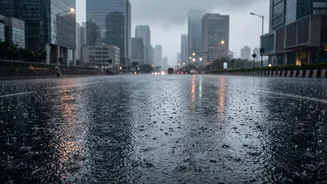
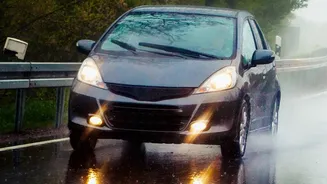
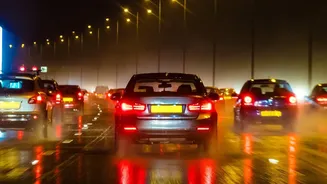
Commuting is the biggest challenge during a Mumbai downpour. If you must travel, plan your route to avoid known waterlogging hotspots like Andheri, Sion, King's Circle, Dadar, and Kurla. Public transport, especially local trains, can face significant delays or suspensions. If driving, ensure your vehicle is serviced, check your tyres, and keep headlights on for visibility. Drive slowly and avoid submerged roads, as it's difficult to spot potholes or debris. It is often safer to delay your journey or work from home if authorities advise against non-essential travel. For air travel, check your flight status before leaving for the airport, as weather can cause major delays.
Pack a Monsoon Emergency Bag
Getting caught in the rain is almost inevitable, but a well-stocked bag can make a huge difference. Your kit should include a powerful raincoat or poncho, as an umbrella often isn't enough against torrential rain. Pack a change of clothes and a small towel to avoid sitting in damp clothes all day. A fully charged power bank is non-negotiable for staying connected when travel is disrupted. Also include a small first-aid kit with antiseptic wipes, bandages, and any personal medications. Keeping valuables in a waterproof bag or Ziploc pouch will protect them from water damage.
Choose the Right Gear
Your daily attire needs a monsoon-specific adjustment. Swap leather shoes and heels for waterproof rubber-soled footwear like floaters or sturdy sandals that offer a good grip and dry quickly. Gumboots can be effective, but only if they are high enough to prevent water from getting in. It’s a good idea to keep a spare pair of formal shoes at your workplace. A backpack with a waterproof cover is more practical than a handbag, as it keeps your hands free and provides better protection for electronics like laptops.
Prepare Your Home and Stay Healthy
Monsoon preparedness starts at home. Stock up on essentials like non-perishable food, drinking water, and necessary medicines, in case you are unable to leave your house. Keep an emergency kit with a torch, spare batteries, and candles for potential power cuts. To prevent health issues, avoid wading through floodwaters, which can carry diseases. If you do walk through stagnant water, wash your feet thoroughly with antiseptic soap afterwards. Be cautious of street food during this season to avoid waterborne illnesses and prioritize home-cooked meals. Also, stay clear of exposed electrical wires and poles to prevent electrocution.