




The Unforgiving Nature of Winter Roads
Driving in the Himalayas during winter is fundamentally different from a summer journey. The primary challenges are not just snow, but a combination of factors that can turn a dream trip into a dangerous ordeal. One of the biggest threats is 'black ice',
a thin, transparent layer of ice that forms on the tarmac, especially in shaded areas, on bridges, or after sunset. It's nearly invisible and can cause a complete loss of traction without warning. Beyond ice, expect sudden road closures due to heavy snowfall or landslides, significantly reduced daylight hours for driving, and the constant risk of getting stranded. Unlike driving in snowy plains, Himalayan routes combine these hazards with steep gradients and narrow, winding roads, making it a highly specialised skill.
Your Vehicle: The Most Critical Gear
Your car is your lifeline, and its preparation is non-negotiable. Start with the tyres. Standard highway tyres become hard and lose grip in the cold. While dedicated winter tyres are best, good-quality all-season tyres with deep treads are a minimum requirement. Ensure your battery is in excellent condition, as cold weather saps its power. The engine coolant must be a variety with antifreeze properties suitable for sub-zero temperatures to prevent freezing. Also, get your brakes, lights, and heater thoroughly checked. Carrying a set of snow chains and knowing how to fit them is essential, as authorities may make them mandatory on certain routes. Some drivers also recommend carrying a spare air filter and essential fluids like engine oil.
The Art of the Flexible Itinerary
In the winter Himalayas, a rigid schedule is your enemy. The most important rule is to build extra 'buffer days' into your itinerary. Roadblocks are not a possibility; they are a probability. High passes like Rohtang or routes in North Sikkim and Ladakh can close with little notice. Before starting each day, check the latest road status. The Border Roads Organisation (BRO) and local police are the most reliable sources for information on closures and safe travel windows. Never attempt to drive on a closed road or during active heavy snowfall. Plan to drive only during daylight hours and keep your daily distances shorter than you would in summer. This gives you time to deal with unexpected delays without the added stress of navigating treacherous roads in the dark.
Become a Student of the Weather
Weather in the mountains changes with alarming speed. A sunny morning can turn into a blizzard by afternoon. Relying on a single forecast is not enough. Use multiple sources, such as the Indian Meteorological Department (IMD) website and other reliable weather apps, to get a clearer picture. Pay attention not just to snowfall predictions, but also to wind chill and temperature drops. This information helps you decide whether to proceed, stay put, or take an alternative route. Remember that social media pictures of fresh snow might look inviting, but they don't tell you about the underlying conditions or the risks involved in getting there. Always prioritise official advisories over anecdotal evidence.
Essential Packing for Safety and Comfort
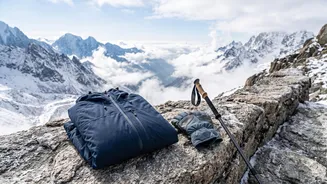
Your packing list should prioritise survival and warmth. Layering is the most effective way to dress. Start with thermal base layers (avoiding cotton, which holds moisture), add fleece or down mid-layers for insulation, and finish with a waterproof and windproof outer jacket. Pack multiple pairs of warm socks, waterproof boots with good grip, gloves, a cap, and a neck gaiter or muffler. For your car's emergency kit, include a high-power torch, a power bank for your devices, a first-aid kit with basic medicines for altitude sickness, and extra food and water for at least 48 hours. High-energy snacks like nuts and chocolate are excellent. A thermos with a hot beverage can be a huge morale booster if you get stuck.
Defensive Driving on Ice and Snow
Once on the road, adjust your driving style completely. Every input—acceleration, braking, and steering—should be gentle and deliberate. Sudden movements can break traction and lead to a skid. Reduce your speed significantly and double or triple your following distance from the car ahead. When driving downhill, use engine braking by shifting to a lower gear rather than relying solely on the brakes. If you encounter a patch of black ice, the key is to do as little as possible: ease off the accelerator, keep the steering wheel straight, and don't slam the brakes. If you do get stuck in deep snow, sometimes slightly reducing tyre pressure can increase grip enough to get you out, but remember to re-inflate to the correct pressure as soon as you're on a clear road.