


What Exactly Is the Harvest Moon?
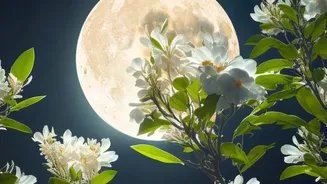
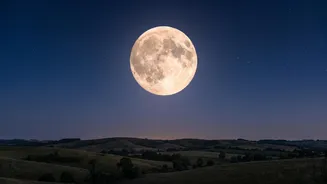
The Harvest Moon is not just any full moon; it is the one that occurs closest to the autumnal equinox, which marks the beginning of autumn in the Northern Hemisphere. This year, the equinox falls on September 22, and the full moon follows just days later,
earning it the traditional 'Harvest' title. Historically, its name is rooted in agriculture. Before the age of electricity, farmers depended on the moon's bright light to extend their working day, allowing them to gather crops late into the evening. This extended period of twilight illumination was a crucial tool for securing the harvest before the first frosts of winter set in. For this reason, it is also sometimes known by other names like the Corn Moon or the Barley Moon, reflecting the crops being gathered.
The Science Behind the Spectacle
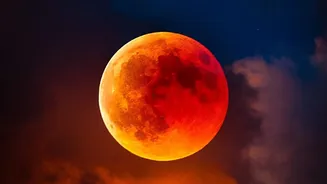
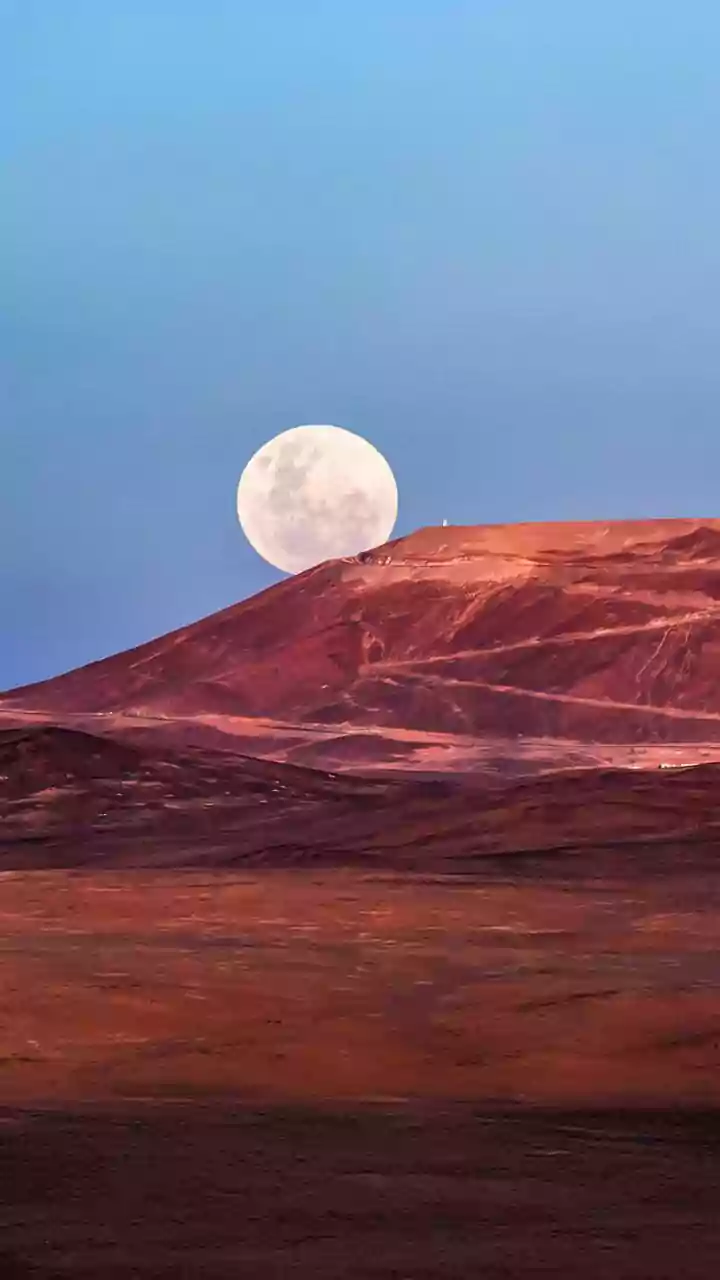
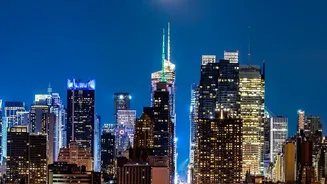
What makes the Harvest Moon seem so special is a combination of timing and orbital mechanics. While a full moon typically rises about 50 minutes later each evening, the Harvest Moon is different. For several consecutive nights, it rises only about 25 to 30 minutes later. This creates a string of brilliantly lit evenings right after sunset. When you see the moon hanging low on the horizon, it often appears unusually large and takes on a beautiful golden-orange or reddish hue. The impressive size is an optical effect known as the 'Moon Illusion,' where our brain perceives the moon as bigger when it is near earthly objects like trees or buildings. The colour comes from its light travelling through more of Earth’s atmosphere, which scatters the blue light and allows more of the red and yellow light to reach our eyes.
When and Where to Look in India
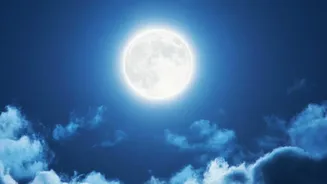
For skywatchers in India, the Harvest Moon will reach its peak illumination at 10:19 PM IST on the night of Saturday, September 26, 2026. Because this peak occurs during the night, India is perfectly placed for a prime view. The moon will appear full and bright for much of the night on both September 26 and September 27. The most dramatic view is often during moonrise, as the glowing orb climbs above the eastern horizon. The exact time of moonrise varies slightly by city, so it is a good idea to check a local astronomy app for the precise timing in your area. As an added bonus for observers, the planet Saturn will also be visible as a bright, star-like object shining near the moon.
Tips for the Best Viewing Experience
You do not need any expensive equipment to enjoy the Harvest Moon. The most important thing is a clear view of the sky. For the best experience, try to get away from the glare of city lights. Find an open space like a park, a rooftop, or a location outside the city with an unobstructed view of the eastern horizon. Give your eyes at least 15-20 minutes to adjust to the darkness; this will help you see the moon's glow more vividly and may even reveal more stars. While binoculars or a small telescope can offer a closer look at the lunar surface and the nearby planet Saturn, they are not essential to appreciate the beauty of the event. The most stunning part is often the simple act of watching the large, colourful moon rise into the night sky.
Cultural Significance in India
In India, full moons hold deep cultural and spiritual importance. The September full moon carries its own significance as it often marks the beginning of Pitru Paksha, a fortnight in the Hindu calendar dedicated to honouring one's ancestors through prayers and offerings. While other moon-centric festivals like Sharad Purnima, known for its tradition of making kheer under the moonlight, typically occur in October, the Harvest Moon period continues this ancient connection between celestial cycles and cultural life. It serves as a powerful reminder of the rhythms of nature that have guided traditions for generations, linking the harvest on the ground to the luminous body in the sky.