


The Two Types of Iron
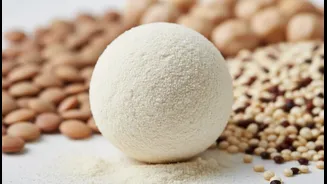
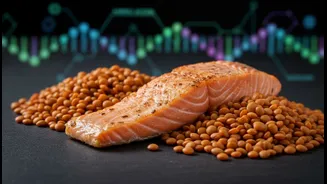
Not all dietary iron is created equal. It comes in two forms: heme and non-heme. Heme iron is found in animal products like meat, poultry, and fish. Your body absorbs it quite efficiently, with absorption rates as high as 40%. Non-heme iron, on the other
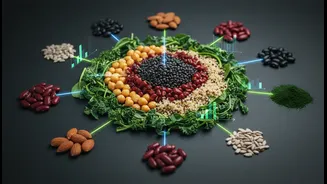
hand, is the type found in plant-based foods such as lentils, beans, tofu, spinach, and fortified cereals. This form is significantly less bioavailable, meaning your body has a harder time absorbing it, with efficiency rates ranging from just 2% to 20%. This difference is a central challenge for those on vegan or vegetarian diets, as their entire iron intake comes from this less-absorbable non-heme source. This doesn't mean you're destined for deficiency, but it does require a more strategic approach to meal planning.
Vitamin C to the Rescue
This is where Vitamin C, or ascorbic acid, becomes the hero of our nutritional story. Decades of research have shown that Vitamin C is a powerful enhancer of non-heme iron absorption. When consumed in the same meal, it can dramatically increase how much iron your body takes from plant foods. Some studies suggest it can boost absorption by up to six times. This effect is so potent that it can help counteract the very nature of non-heme iron, making a well-planned plant-based diet robust in its iron supply. It essentially transforms iron into a state that your body can more easily recognize and use, bridging the gap between the iron you eat and the iron you actually absorb.
A Powerful Chemical Partnership
The magic of this pairing happens in your digestive tract. Most non-heme iron from plants is in a form called ferric iron (Fe3+), which is not easily absorbed by the intestines. Vitamin C is a reducing agent, meaning it donates electrons. During digestion, it donates an electron to the ferric iron, converting it into the much more soluble ferrous iron (Fe2+) form. This is the specific form that can be transported into your intestinal cells. Furthermore, Vitamin C forms a stable, soluble complex with iron in the stomach's acidic environment. This keeps the iron accessible as it moves into the more alkaline small intestine, preventing it from binding with other compounds and becoming unabsorbable.
Putting It On Your Plate
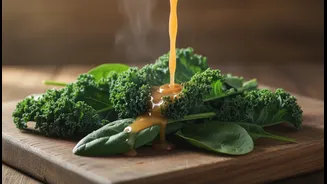
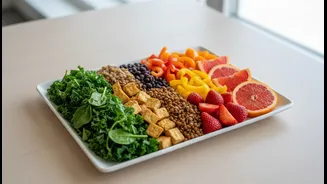
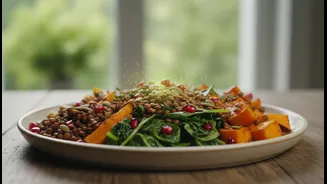
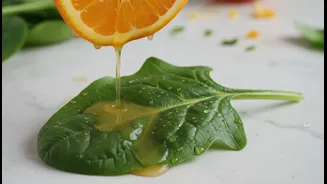
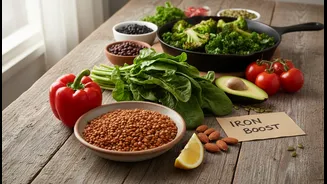
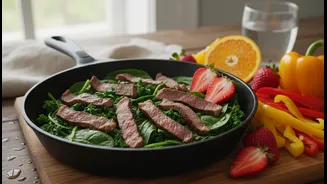
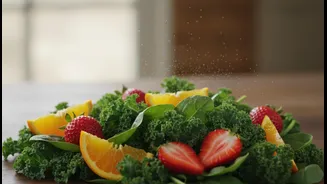
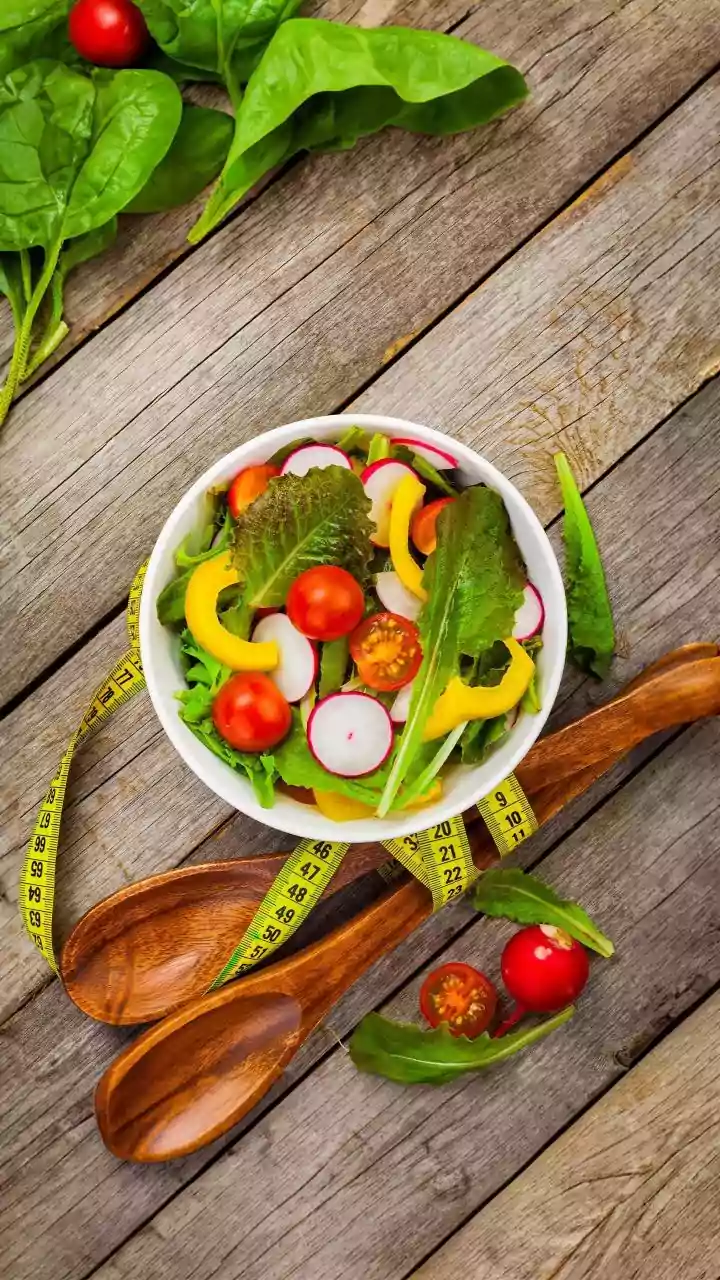
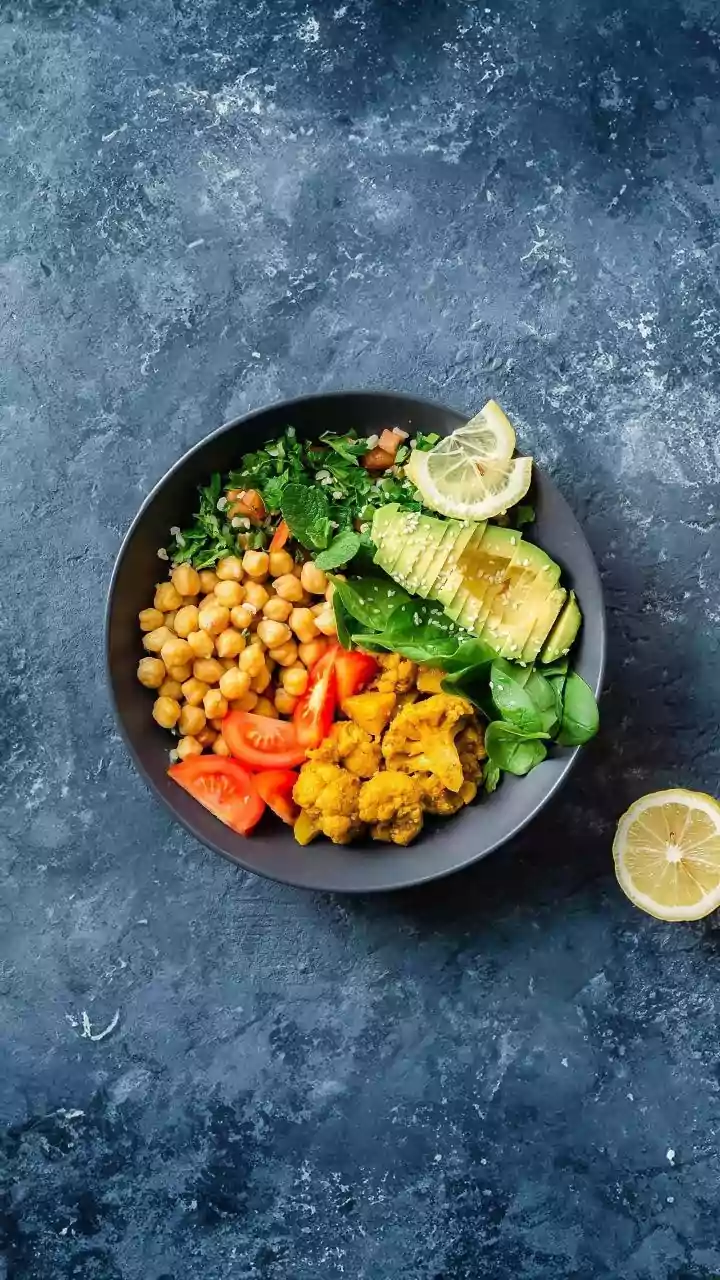
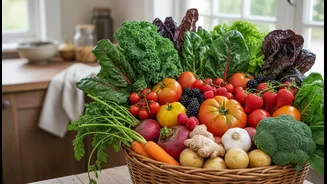
Understanding the science is great, but applying it is what truly matters. The key is to consciously pair iron-rich plant foods with sources of Vitamin C at every meal. Think of it as creating nutritional dream teams on your plate. A lentil soup (high in iron) finished with a generous squeeze of fresh lemon juice (high in Vitamin C) is a classic example. When you make a spinach salad, skip the creamy dressing and opt for a lemon vinaigrette, and toss in some strawberries or bell peppers. A tofu or tempeh stir-fry becomes an iron-absorption powerhouse when loaded with broccoli, red capsicum, and bok choy. Even your morning oatmeal can get a boost by adding berries or a side of kiwi. The combination is what unlocks the full potential.
What to Watch Out For
Just as Vitamin C enhances absorption, other common compounds can inhibit it. Polyphenols, found in tea and coffee, can significantly reduce non-heme iron uptake. Phytates, present in whole grains, nuts, and legumes, also bind to iron. And calcium can interfere with the absorption of both heme and non-heme iron. This doesn't mean you should avoid these foods. Instead, be strategic with timing. Try to drink your coffee or tea at least an hour before or after your iron-rich meals. Soaking and sprouting legumes and grains can help reduce their phytate content. By being mindful of these inhibitors, you ensure that your carefully planned, Vitamin C-rich meals deliver the maximum iron benefit.