




The Drying Reality of Our Favourite Escapes
Many of the world's most beautiful destinations, from Mediterranean islands to Himalayan towns, are located in water-stressed regions. Tourism, while vital for local economies, puts immense pressure on these fragile water systems. A tourist can consume
three to eight times more water than a local resident, thanks to long showers, swimming pools, and the constant laundry required to keep a hotel running. This has led to crises in places like Cape Town, Shimla, and Bali, where the surge in visitors during peak seasons strains resources, sometimes leading to rationing that affects local communities. The problem is clear: the very industry that relies on a destination's beauty is contributing to the depletion of its most essential resource.
What Exactly Is a Water-Smart Stay?
A water-smart hotel goes far beyond just asking guests to reuse their towels. It's about fundamental, intelligent design and operations. These establishments invest in technologies and practices that significantly reduce their water footprint. This includes installing low-flow toilets, faucets, and showerheads that can cut water use by 20% or more without impacting performance. Many are also implementing advanced systems like greywater recycling, which treats water from sinks and showers for use in toilet flushing and irrigation. Other key features include rainwater harvesting systems, drought-resistant landscaping (xeriscaping) instead of thirsty lawns, and smart meters that detect leaks in real-time. It's a holistic approach that treats water as the precious commodity it is.
The Indian Context: A Familiar Challenge
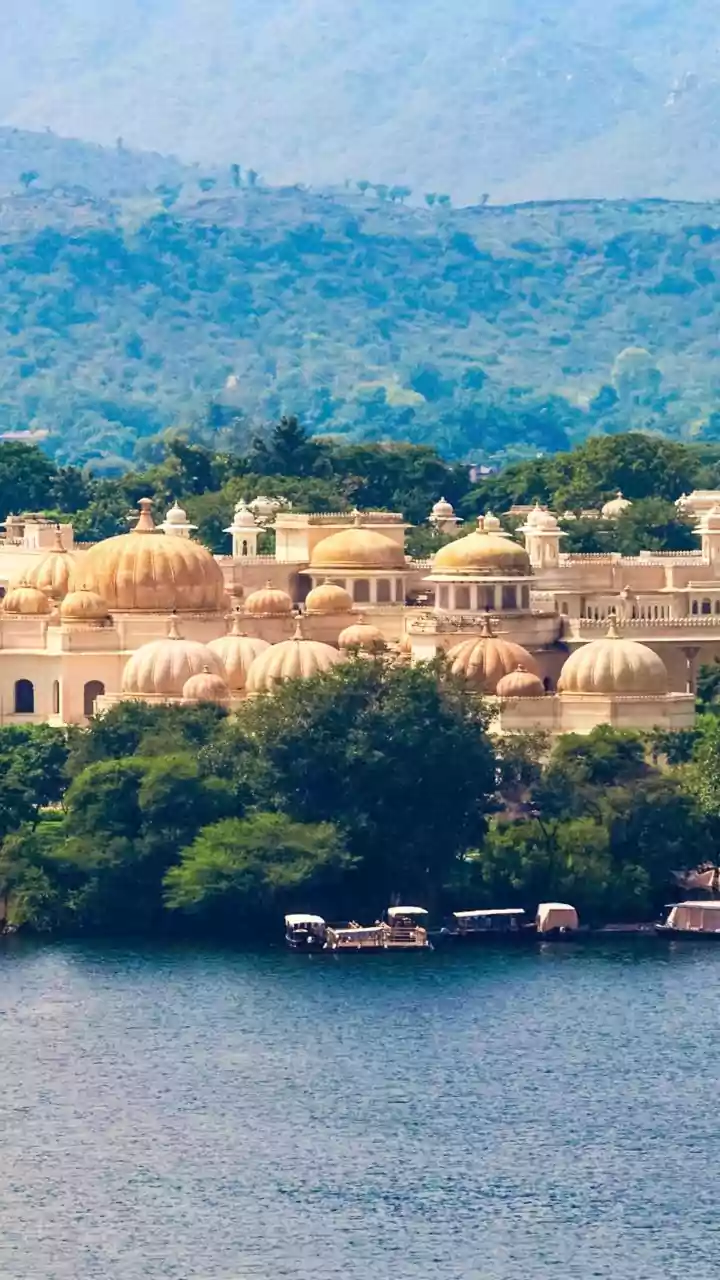
In India, the challenge of water scarcity is deeply familiar, with cities like Chennai and Bengaluru having faced their own 'Day Zero' scares. Many popular tourist circuits, from the palaces of Rajasthan to the Himalayan retreats in Himachal Pradesh and Ladakh, are in regions with high water stress. The influx of tourists adds to this pressure. However, this has also spurred innovation. Hotels across the country are adopting sustainable practices, not just for environmental reasons but also for economic survival. The Indian government's Sustainable Tourism Criteria for India (STCI) now encourages hotels to incorporate measures like sewage treatment plants and rainwater harvesting from the project stage itself, signalling a nationwide push towards responsible hospitality. In India, a five-star hotel can use up to 1500 litres per person per day, often ten times more than the local population, highlighting the urgent need for these changes.
How to Be a Water-Wise Traveller
As travellers, our choices have power. Supporting water-smart hotels sends a clear message to the industry. When booking your next trip, look for hotels that are transparent about their sustainability practices on their websites. Certifications like Green Seal, Green Key, and EarthCheck are reliable indicators that a property has been audited by a third party for its environmental performance, including water conservation. Don't be afraid to ask about their water management systems. Once you're there, simple habits can make a difference. Keep showers short, report any leaks you notice, and participate in linen reuse programs. By choosing hotels that invest in water-saving technologies, you support businesses that are safeguarding the future of the destinations you love to visit.