






The New Calculus of Cool
For today’s youth, the question is no longer just “Who are you wearing?” but “How was it made?” and “What does it stand for?” Generation Z, the cohort born between 1997 and 2012, is pioneering a fundamental shift in fashion consumption. Growing up in an era defined
by climate change awareness and digital transparency, they are deeply concerned about the planet. Surveys show that a vast majority of Gen Z consumers are willing to pay more for sustainable or ethically sourced products. This eco-consciousness is not a niche interest; it's a core component of their identity that directly shapes their aesthetic. This generation is redefining 'cool' not as the latest drop from a fast-fashion giant, but as a thoughtful expression of individuality and ethics, challenging the very logic of consumption.
The Thrifting Renaissance
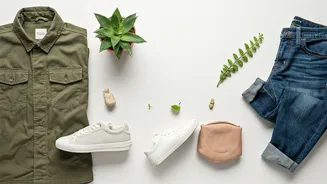
Perhaps the most visible manifestation of this new style filter is the meteoric rise of thrift shopping. Once associated with necessity, secondhand clothing is now a badge of honour for Gen Z, signifying a rejection of the wasteful fast-fashion cycle. In India, online thrift stores on platforms like Instagram have exploded, turning pre-loved clothing into prized, unique finds. This trend is driven by a desire for affordability, uniqueness, and a lower environmental impact. For Gen Z, the thrill is in the hunt—finding a vintage piece that no one else has tells a better story than buying a mass-produced item. Social media platforms fuel this movement, with creators sharing thrift hauls and styling tips, transforming secondhand shopping into a global cultural phenomenon.
DIY or Don't Buy
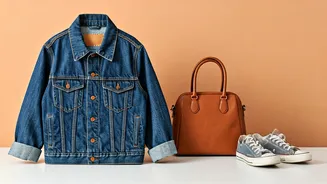
Alongside thrifting, there's a growing movement towards upcycling and DIY fashion. This involves altering, mending, or customising existing clothes to give them a new lease on life, a practice sometimes called 'thrift flips'. From transforming an old saree into a modern corset to painting on denim jackets, this hands-on approach is about creativity meeting conscience. Upcycling not only reduces waste but also allows for ultimate self-expression, resulting in one-of-a-kind pieces that stand out from mass-produced fashion. This trend highlights a key Gen Z value: prioritising uniqueness, durability, and a personal connection to their garments over fleeting trends.
Redefining 'Sustainable' in India
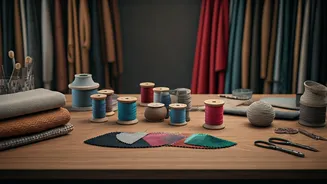
For Gen Z in India, sustainability extends beyond just secondhand clothes. There's a renewed interest in local and indigenous textiles like Khadi. Once a symbol of India’s freedom movement, Khadi is now being embraced as a sustainable, hand-spun, and handwoven fabric that aligns perfectly with the slow fashion philosophy. Young designers and influencers are styling it in contemporary ways, pairing Khadi jackets with sneakers or creating modern co-ord sets, proving that heritage can be cool. This generation also champions a more holistic definition of sustainability, considering fair labour practices and supporting local artisans over mass production. This shift signals a move toward a circular economy, where items are designed to be reused, repaired, and recycled, fundamentally changing the fashion landscape.
The Contradiction and The Future
Despite their strong values, Gen Z exists in a complex reality. They are the most sustainability-conscious generation, yet they are also major consumers of fast fashion, influenced by its affordability and the hyper-speed trend cycles fueled by social media platforms like TikTok. Many studies point out this disconnect between their stated beliefs and actual purchasing behaviour, with the high price of sustainable brands being a significant barrier. However, this tension is what makes Gen Z a powerful force for change. They are demanding more transparency and accountability from brands, becoming adept at spotting 'greenwashing'. While they may not be perfect, their collective push is forcing the industry to adapt. Brands that fail to offer sustainable options and transparent supply chains risk becoming irrelevant to this influential group of consumers.