







Decoding the Modern Forecast
When the IMD issues a yellow, orange, or red alert, it's more than just a rain prediction; it's a warning about potential disruption. An orange alert, for instance, signals heavy rainfall that could lead to flooding, traffic jams, and power outages. A red alert signifies
a significant threat to life and property with extremely heavy rainfall expected. These forecasts, especially multi-day warnings, are a crucial signal for commuters and travellers to shift from a reactive to a proactive mindset. The warning isn't just about carrying an umbrella; it's a prompt to rethink your entire journey, as widespread waterlogging and landslides can severely impact road and rail networks.
What Exactly Is a 'Weather Buffer'?
A 'weather buffer' is more than just leaving home a few minutes early. It is a comprehensive strategy that involves factoring in extra time, staying informed with real-time data, and having backup plans. Transportation experts sometimes refer to this as a 'buffer index'—the additional time you should budget to ensure on-time arrival. For a typical 30-minute journey, a 50% buffer would mean allowing 45 minutes. This cushion absorbs unforeseen delays, like a waterlogged underpass or a rerouted train, reducing stress and ensuring you don't make risky decisions in a hurry. It also includes a buffer of resources: a charged phone, a power bank, and knowledge of alternative routes.
Building Your Road Travel Buffer
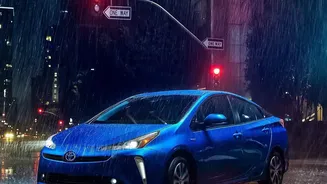
For those travelling by car, two-wheeler, or bus, a weather buffer is critical. Before you leave, check live traffic apps for real-time updates on waterlogging and congestion. It is always safer to take a longer, clearer route than risk getting stuck in a flooded area. Most cars are not built to handle more than half a foot of water, and stalling in a waterlogged street can lead to expensive engine damage. Your road buffer should also include a vehicle check: ensure your tyres have adequate tread, your brakes are effective, and your wipers are working properly. If you must drive through water, do so in a low gear with steady momentum, but never try to restart a stalled engine in a flooded patch.
Securing Your Rail Journey Buffer
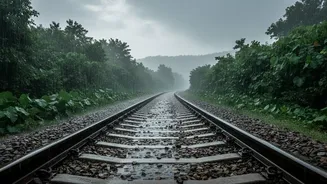
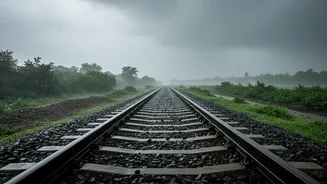
Heavy rains frequently disrupt India’s rail networks, causing delays, diversions, and even cancellations due to submerged tracks or landslides. Indian Railways often implements monsoon timetables with reduced speeds for safety and deploys patrol staff at vulnerable locations. Your buffer for train travel begins with checking the train status online before leaving for the station. Factor in significant extra time for your journey to the station and for potential delays on the platform. Platforms can become slippery and crowded, so maintaining a safe distance from the track edge is crucial. Pack essentials for a longer-than-expected journey, including water, snacks, and a portable charger. Listening to station announcements is key, as platforms can change with little notice.
Your Digital Planning Toolkit
Technology is your best friend when creating a weather buffer. A suite of apps on your smartphone can provide the intelligence needed to make smart travel decisions. Use reliable weather apps to get granular, real-time rainfall forecasts. Combine this with live traffic apps that show congestion, accidents, and waterlogged roads, often suggesting faster, alternative routes. For train travel, the National Train Enquiry System (NTES) app provides live train running status, rescheduling, and cancellation information. Having these tools ready and checking them before and during your journey turns an uncertain situation into a manageable one.
Beyond Logistics: A Mindset Shift
Ultimately, planning around heavy rain forecasts is about a mindset shift. It requires moving from a 'best-case scenario' assumption to a 'prepare for disruptions' reality. This means prioritising safety over speed and punctuality over sticking to the original plan at all costs. If a travel warning is severe, the best decision might be to postpone non-essential journeys altogether. Building weather buffers into your routine during the monsoon isn't a sign of pessimism; it's a mark of a smart, resilient traveller who understands how to work with the weather, not against it.