



A Cuisine of Joyful Contradictions
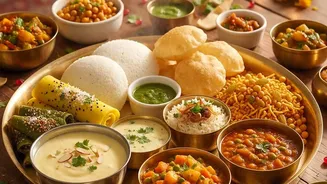
Parsi cuisine is a delicious blend of two ancient cultures: Persia, where the community originated, and India, where they settled over a millennium ago. This history created a unique flavour profile, marrying Persian techniques and ingredients like nuts
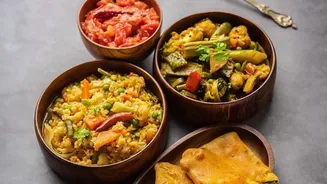
and dried fruits with the vibrant spices of Gujarat. While famously fond of meat and eggs, Parsis also have a robust, if smaller, repertoire of vegetable dishes. This is partly thanks to the influence of Gujarati cuisine and the year-round availability of fresh produce in India, a contrast to the scarcity in ancient Persia. Vegetarian dishes, therefore, hold a special place, often reserved for specific occasions or showcasing the adaptability of Parsi flavours.
The Club Connection
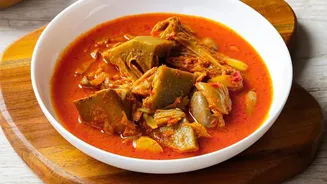
Community clubs have long been pillars of Parsi life in cities like Mumbai, serving as social hubs where traditions are preserved and celebrated. These institutions, like the Ripon Club founded in 1884, are famous for their food, offering classic dishes that members and guests flock to enjoy. While a Wednesday mutton dhansak might be the main event, it is in these kitchens and in old community cookbooks that recipes for less common, yet equally beloved, dishes are passed down. A recipe for a Kathal Korma, for instance, was recorded in a Parsi Women's Club cookbook from 1983, showcasing its enduring appeal. These club recipes represent a kind of culinary standard, a taste of authenticity that members cherish.
Why Jackfruit?
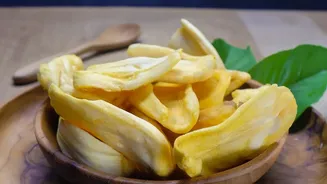
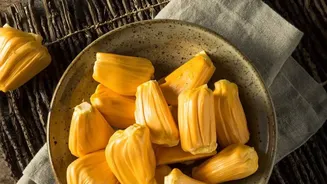
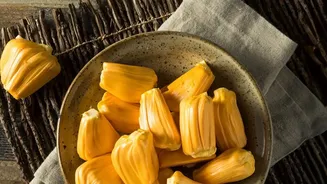
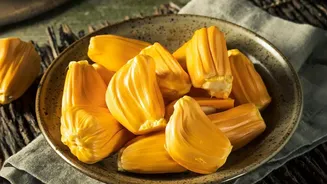
Raw jackfruit, or 'kathal', is a marvel of the vegetable world. Its fibrous texture, when cooked, bears a striking resemblance to pulled meat, making it a popular substitute in many vegetarian dishes across India. It can stand up to robust spices and slow cooking, absorbing flavours beautifully without turning to mush. For a cuisine that excels at slow-cooked meat curries, kathal is the perfect vegetarian candidate to receive a similar flavour treatment. It allows the cook to create a dish with the satisfying texture and depth of a classic non-vegetarian Parsi korma or curry, making it a star performer in its own right, not just a substitute.
The Historic Recipe: A Taste of Tradition
This recipe, adapted from historic Parsi club cookbooks, delivers a rich, creamy, and aromatic curry that showcases the 'Tikhu-Khatu-Mithu' (Spicy-Sour-Sweet) balance Parsi cooking is known for. The key is in the careful layering of flavours. The recipe begins by creating a paste of cashews or chironji and poppy seeds, which is then blended with curd to form a velvety base. Raw jackfruit pieces are fried in ghee until they develop colour, which deepens their flavour. Whole spices like cinnamon, cardamom, and cloves are sizzled in the same ghee, followed by onions and ginger-garlic paste. Powdered spices and the curd mixture are added to create the gravy, into which the fried kathal is stewed until tender. A final touch of fresh coriander completes the dish.
How to Prepare the Kathal Korma
To make this historic dish, you will need about 600g of raw jackfruit, cut into pieces. Begin by making a paste of 60g of cashew nuts and 1.25 tbsp of poppy seeds. Blend this paste with 1.75 cups of beaten curd and set it aside.Heat ghee in a heavy-bottomed pan and fry the jackfruit pieces until they start to brown, then remove and set aside. In the same ghee, add 2 cinnamon sticks, 5 cardamoms, and 5 cloves, letting them sizzle. Add 2 chipped medium onions and cook until browned, then stir in 1.25 tsp of ginger-garlic paste.Next, add the spice powders: 1/2 tsp chilli powder and 1/4 tsp turmeric. Pour in the curd-nut mixture and cook for a few minutes before adding the fried jackfruit pieces, 1.25 cups of water, and salt to taste. Let the curry simmer until the jackfruit is tender and the gravy has thickened. Garnish with slit green chillies and 1.75 tbsp of chopped fresh coriander before serving hot.