


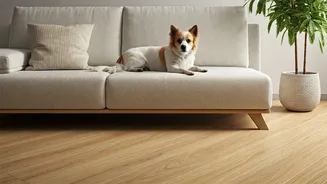


A Shift in Mindset
For years, “pet-friendly” simply meant “durable.” It was a defensive strategy: choosing fabrics that could withstand scratches and floors that wouldn’t stain. But a new philosophy is taking hold, one that sees our animal companions not as potential sources
of damage, but as co-habitants with their own needs for comfort, safety, and joy. This modern approach to pet-friendly design isn’t just about protecting your furniture; it’s about enriching your pet’s life and, in turn, your own. It's a holistic view that integrates their well-being into the very blueprint of your home, creating a space that works better for everyone, on two legs or four.
Floors, Walls, and Foundations
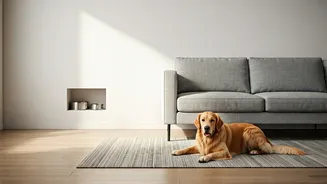
The foundation of a truly pet-friendly home starts from the ground up. While plush carpets might feel luxurious, they are magnets for fur, dander, and accidents. Instead, consider hard surfaces like high-quality laminate, luxury vinyl, or ceramic tiles. These materials are not only scratch-resistant and easy to clean but are also cooler, providing a welcome respite for pets in India’s warm climate. For walls, opt for semi-gloss or satin-finish paints. They are more durable and easier to wipe clean of smudges or splashes than matte finishes. Choosing washable paint in high-traffic areas, like near feeding stations or doorways, is a small decision that pays off in the long run, keeping your home looking fresh despite the daily antics of a playful pet.
Furniture for the Whole Family
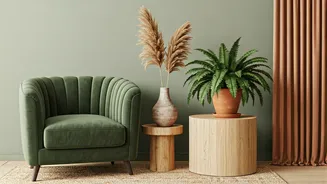
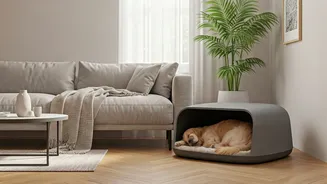
The days of covering your beautiful sofa with unsightly sheets are over. The key is to choose smart materials. Tightly woven fabrics like microfiber and canvas are excellent choices as they are less likely to be snagged by claws. Leather can be durable, but it scratches easily. A better alternative is a high-quality leatherette or treated fabrics that resist stains and odours. Beyond materials, consider the furniture’s design. Rounded corners on coffee tables and consoles can prevent injuries during a sudden case of the ‘zoomies.’ Look for multi-functional pieces, like an ottoman with built-in storage for toys or a side table that doubles as a cosy pet den. This approach ensures your home remains stylish and uncluttered while still catering to your pet’s needs.
Creating Dedicated Zones
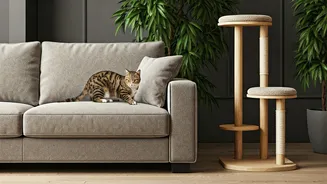
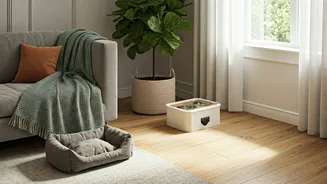
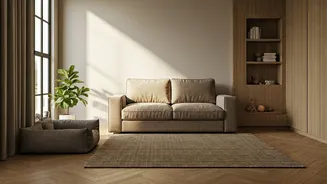
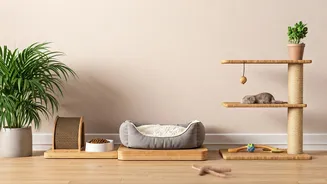
Just like humans, pets benefit from having their own designated spaces. This isn’t about spoiling them; it’s about creating structure and reducing their anxiety. A dedicated feeding station with non-slip bowls can prevent messes and make mealtime a calmer experience. Instead of a generic pet bed tossed in a corner, try to integrate their resting spot into your home’s decor. A stylish bed in a quiet, low-traffic area gives them a safe retreat. For cats, vertical space is crucial. Think of stylish wall-mounted shelves or a modern cat tree that doesn't scream “pet furniture.” These dedicated zones help establish routines and give your pet a sense of security and belonging within the family home.
Safety as a Design Principle
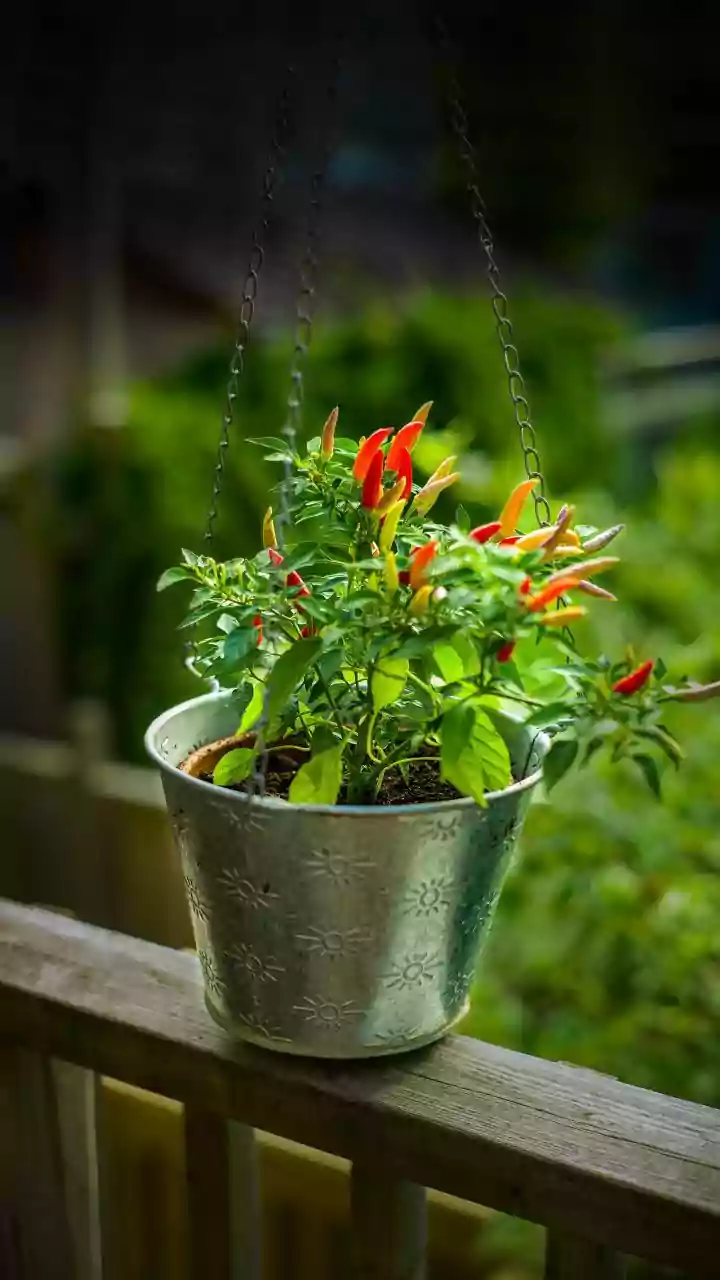
A well-designed home is a safe home. Many common household items can pose a risk to curious pets. Houseplants, for instance, can add beauty to a room but many popular varieties like lilies, philodendrons, and snake plants are toxic to cats and dogs. Opt for pet-safe alternatives like spider plants, areca palms, or a beautiful calathea. Pay attention to electrical cords and cables; bundle them up and keep them out of reach to prevent chewing. If you live in an apartment, ensure balconies are properly secured. Window blind cords should also be tied up to avoid any risk of entanglement. Thinking about safety from your pet’s perspective is a crucial final layer to creating a truly thoughtful and caring environment.