






1. Genomic Instability
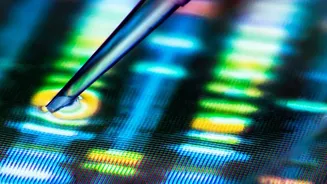
Think of your DNA as the body's instruction manual. Over time, this manual accumulates typos and damage from sources like UV radiation and replication errors. This 'genomic instability' is a primary hallmark of ageing. As damage builds up, cellular processes
can falter, increasing the risk for a host of age-related conditions. Maintaining genomic integrity is crucial for healthy cellular function.
2. Telomere Attrition
At the end of our chromosomes are protective caps called telomeres, often compared to the plastic tips on shoelaces. Each time a cell divides, these telomeres get a little shorter. Eventually, they become so short that the cell can no longer divide and may become senescent or die. This process, known as telomere attrition, is a direct measure of cellular ageing.
3. Epigenetic Alterations
Beyond the DNA sequence itself are epigenetic marks, chemical tags that tell our genes when to switch on or off. Throughout life, our environment and lifestyle choices can alter these patterns. These 'epigenetic alterations' can disrupt normal gene expression, contributing to the functional decline we see with age. Scientists can even measure these changes to determine a person's 'biological age'.
4. Loss of Proteostasis
Our cells are filled with proteins that perform countless jobs. 'Proteostasis' is the process of keeping these proteins correctly folded and functional. With age, this quality control system can weaken, leading to a buildup of misfolded or damaged proteins. This accumulation is a known contributor to several age-related neurodegenerative diseases.
5. Deregulated Nutrient Sensing
Cells have sophisticated pathways to sense and respond to nutrient availability. As we age, these nutrient-sensing networks, like the mTOR pathway, can become dysregulated. Chronic overactivation, often linked to modern diets, can accelerate ageing processes, while practices like caloric restriction, which modulate these pathways, have been shown to extend healthspan in animal studies.
6. Mitochondrial Dysfunction
Mitochondria are the powerhouses of our cells, converting food into energy. Their function naturally declines with age. This 'mitochondrial dysfunction' means less energy for cellular processes and an increase in damaging reactive oxygen species. This energy crisis affects everything from muscle strength to cognitive function.
7. Cellular Senescence
When cells become too damaged or old, they can enter a zombie-like state called 'senescence'. They stop dividing but don't die, instead releasing a cocktail of inflammatory signals that can harm surrounding healthy tissues. The accumulation of these senescent cells is a major driver of age-related decline and chronic inflammation.
8. Stem Cell Exhaustion
Our bodies rely on stem cells to repair and regenerate tissues. Over time, these stem cell pools can become depleted or lose their functional capacity, a hallmark known as 'stem cell exhaustion'. This impairs the body's ability to heal and maintain organs, leading to the frailty and functional decline associated with getting older.
9. Altered Intercellular Communication
The cells in our body are in constant communication. With age, this signalling can go haywire. One of the most significant changes is a rise in background inflammation, a state often called 'inflammaging'. This chronic, low-grade inflammation disrupts normal cellular dialogue and contributes to nearly every major disease of ageing.
10. Microbiome Disturbance
An emerging and crucial factor in ageing is the health of our gut microbiome—the trillions of bacteria living in our digestive tract. Changes in the diversity and composition of these microbes, known as 'dysbiosis', have been linked to increased inflammation, metabolic issues, and even cognitive decline in older adults. A healthy gut appears to be foundational for healthy ageing.