





A Generational Shift in Values
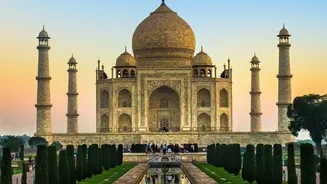
The transition from owning to experiencing is being led by India's millennials and Gen Z. Unlike their parents' generation, which prioritised tangible assets like property and gold, younger Indians are more invested in collecting memories and personal
growth. This demographic cohort increasingly sees value in what they do rather than what they own. Reports show that a significant majority of Indian consumers, up to 78%, now prefer spending on experiences over products. This isn't just a fleeting trend; it’s a fundamental change in aspiration, where the richness of life is measured in moments and stories, not just material wealth. Forecasts suggest that by 2030, spending on experiences like travel, recreation, and hospitality will outpace spending on physical goods in India.
The Instagram Effect
Social media has turned personal experiences into a new form of social currency. A stunning photo from a secluded beach or a video from an exclusive music festival can build a personal brand and convey status more effectively than a picture of a new phone. Experiences are inherently shareable and unique, making them perfect for platforms like Instagram, where curated lifestyles are on full display. This has created a powerful feedback loop: people seek out 'gram-worthy' experiences, which in turn fuels the desire in others to do the same. This digital validation has made unique activities—from wellness retreats to adventure sports—highly desirable assets in constructing one's online identity.
The Search for Uniqueness and Authenticity
In a world of mass production, unique and personalised experiences have become the new luxury. Affluent consumers are moving away from overt displays of wealth and are instead seeking out exclusive, authentic, and culturally immersive activities. This could be a private culinary journey, a stay at a boutique heritage hotel, or attending a niche cultural festival. The appeal lies in the story and the exclusivity; it's about having done something that not everyone can easily replicate. This search for authenticity is also a response to 'digital fatigue', with people looking for real-world connections and participative activities that allow them to be fully present.
The Post-Pandemic Re-evaluation
The COVID-19 pandemic and the subsequent lockdowns acted as a major catalyst for this shift. Being confined to their homes made people reassess their priorities, leading to a greater appreciation for travel, social gatherings, and real-world activities. This created significant pent-up demand for experiences that had been inaccessible. The post-pandemic era saw a surge in spending on everything from live events and dining out to domestic and international travel. This period solidified the idea that life is unpredictable and that investing in creating lasting memories offers a different, more profound kind of security.
The Booming Experience Economy
This consumer-led shift has been met with a rapidly growing 'experience economy'. India's organised events industry is a massive contributor to the national economy, with sectors like live events and destination weddings growing at a remarkable pace. The market for everything from wellness tourism to indoor amusement parks is expanding. Projections show India’s experience economy is set to nearly double in value by 2030, growing at a rate almost twice the global average. This boom provides an ever-expanding menu of options for consumers, making it easier and more attractive than ever to invest in doing things rather than just buying them.