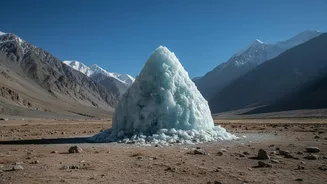



The Golden Weather Window
Late summer, particularly September, is often called Ladakh's 'golden month' for a reason. By this time, the peak summer intensity has subsided, and the harsh winter is still weeks away. Daytime temperatures in Leh and the Nubra Valley are pleasant, typically
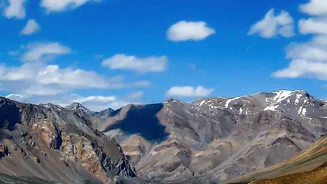
hovering between 15 and 25 degrees Celsius. This makes exploring monasteries, wandering through local markets, and undertaking day hikes incredibly comfortable. Most importantly, the monsoon rains that can cause disruptions in other parts of the Himalayas have passed. Ladakh, being in a rain shadow zone, receives minimal rainfall anyway, but the post-monsoon period ensures exceptionally clear, deep blue skies. This translates to phenomenal visibility for photography and breathtaking nights for stargazing.
The Freedom of Open Roads
One of the greatest advantages of a late summer trip is the reliability of the road network. Both major arteries into the region—the Srinagar-Leh highway and the Manali-Leh highway—are fully operational and generally in their best condition. The Border Roads Organisation (BRO) has had the entire summer season to repair any damage from winter snowmelt or monsoon-related incidents. This means fewer chances of getting stuck due to landslides or weather-related closures, which can be a concern in July and August. All the crucial internal roads and high mountain passes, like Khardung La and Chang La, are also dependably open, allowing for seamless travel to popular destinations like Pangong Tso and the Nubra Valley. For motorcyclists and road trip enthusiasts, this period offers a safer and more predictable journey.
Fewer Crowds, More Serenity
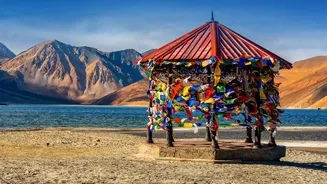
The peak tourist rush of June, July, and August has significantly thinned out by September. This creates a more tranquil and immersive experience. You can explore ancient monasteries like Thiksey and Hemis without jostling through crowds, find a peaceful spot along the shores of Pangong Lake, and enjoy the solitary landscapes that make Ladakh famous. This shoulder season strikes a perfect balance between accessibility and solitude. You get the benefit of all facilities like hotels, guesthouses, and cafes still being open, but often with better availability and more reasonable prices compared to the peak months.
A Landscape in Transition
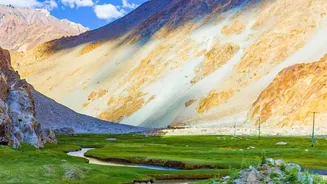
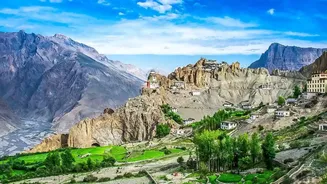
The late summer landscape in Ladakh is distinct and spectacular. The subtle greenery left behind by the occasional summer shower still lingers in some valleys, providing a beautiful contrast to the barren, majestic mountains. As September progresses, the region begins to display the first signs of autumn. The poplar and willow trees in villages and along riverbanks start to turn a brilliant gold and amber, creating a stunning palette against the stark mountains and blue skies. This makes it an exceptional time for photographers looking to capture the unique seasonal hues of the high-altitude desert. The quality of light is often softer, casting a magical glow on the dramatic terrain.
What to Pack and Plan For
While the days are pleasantly warm, the high-altitude environment means temperatures can drop significantly, especially at night. Nighttime temperatures in Leh can fall to around 5 degrees Celsius, and at higher altitudes like Pangong Tso or Tso Moriri, they can dip below freezing. Layering is key. Pack thermal wear, fleece jackets, a windproof and waterproof outer layer, and a warm hat and gloves. Sun protection is crucial even when it's cool; the sun at this altitude is intense, so bring high-SPF sunscreen, sunglasses, and a wide-brimmed hat. While the main roads are open, it's still wise to have a flexible itinerary to accommodate any unforeseen weather changes, especially towards the end of September when occasional snowfall on high passes can occur.