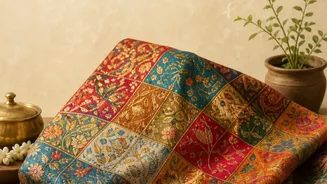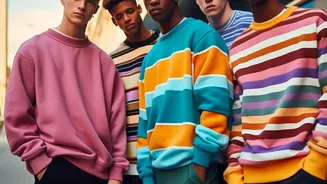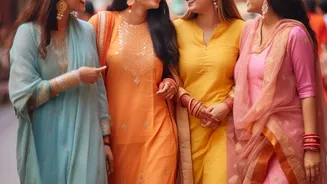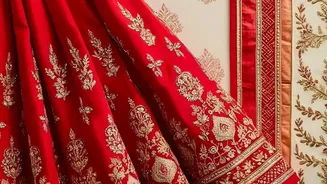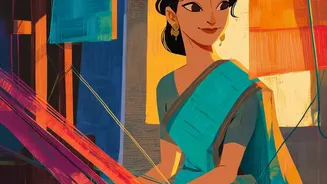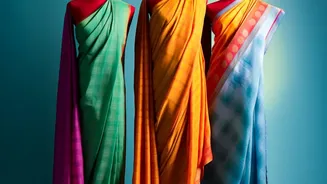

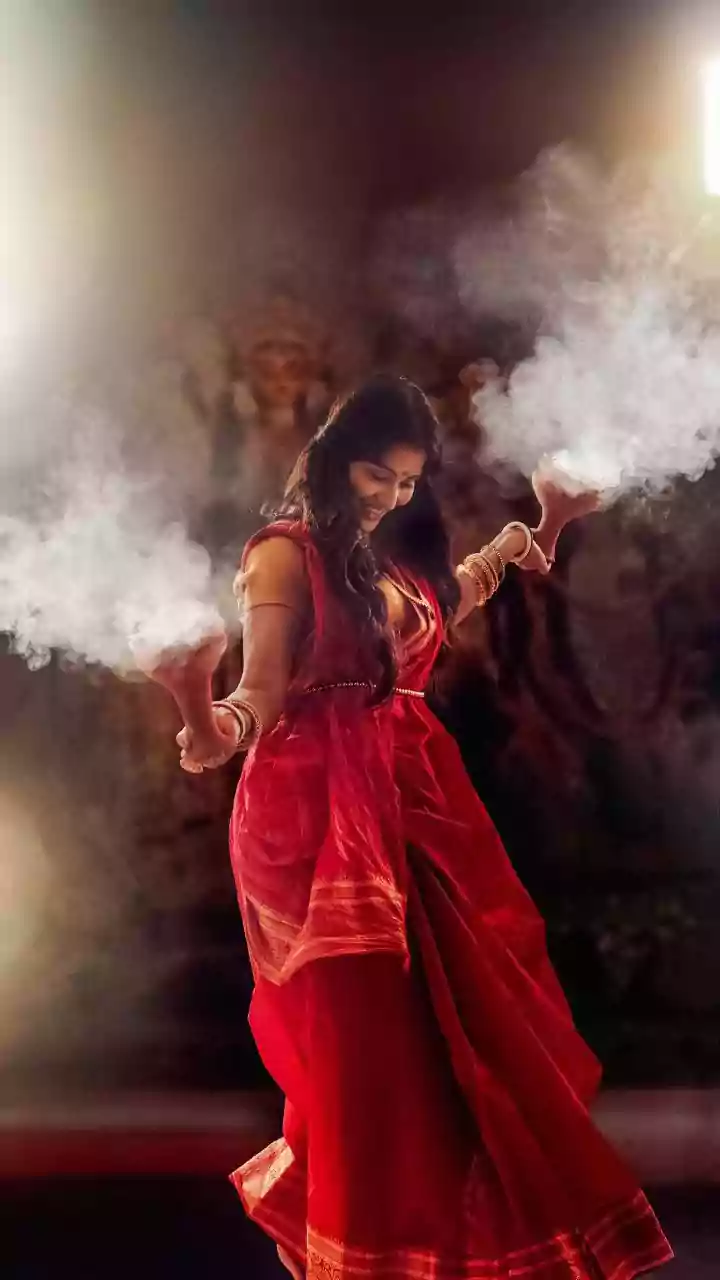
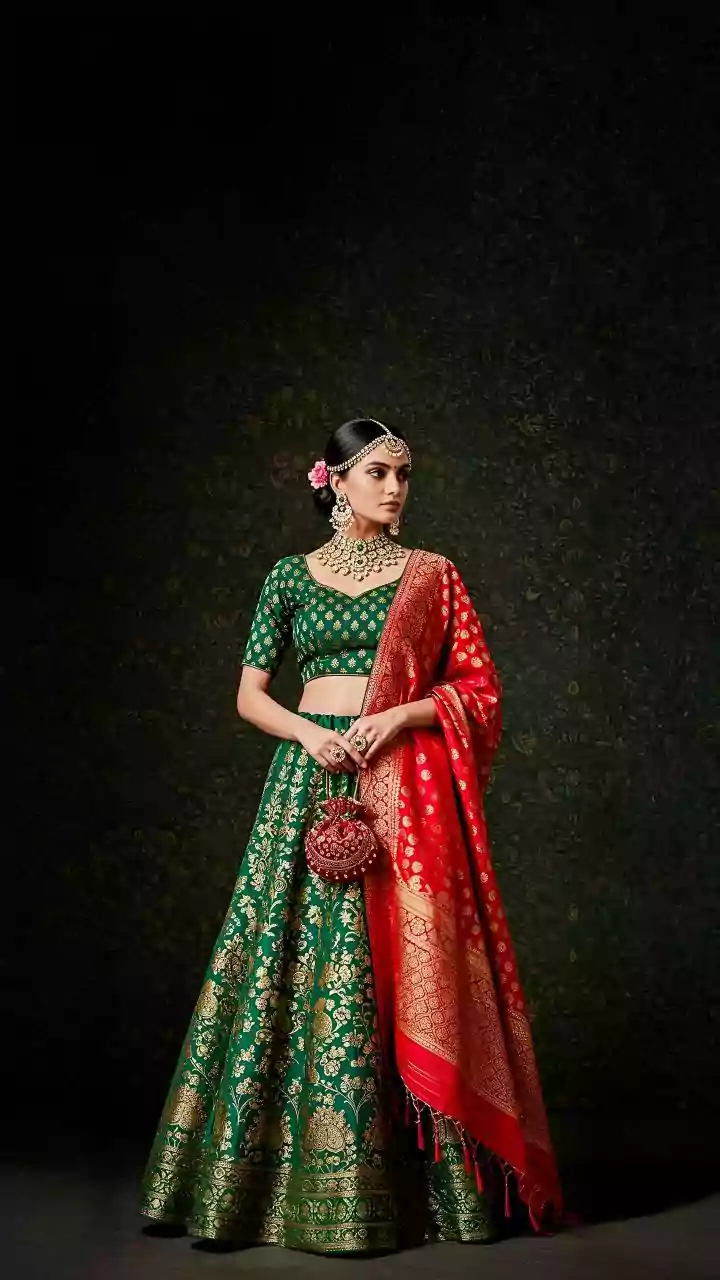
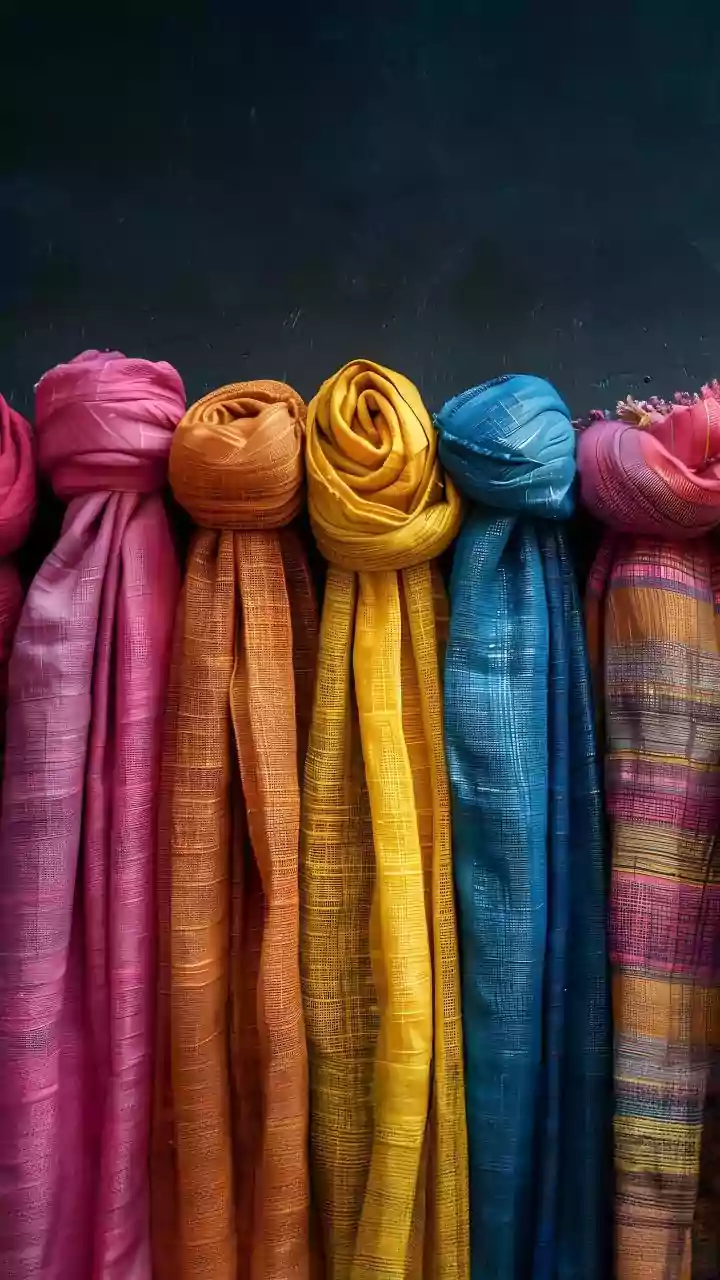

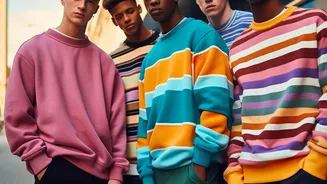
India's rich handloom heritage, once seen as formal or traditional, is finding a vibrant new audience. A shift towards gender-neutral fashion is driving this revival, as younger generations embrace fluid silhouettes that make these textiles modern.
Beyond the Binary
For
generations, Indian handloom was synonymous with specific garments: the sari, the dupatta, the formal kurta. While beautiful, these forms often felt confined to occasion-wear or a particular aesthetic. Today, that perception is rapidly changing, thanks to a broader cultural shift that questions rigid gender norms in fashion. The rise of gender-fluid dressing, particularly among Gen Z and millennials, has opened a new playground for regional textiles. Instead of being limited to menswear or womenswear, fabrics like Ikat, Chanderi, and Khadi are being reimagined into silhouettes that anyone can wear. This move is not just about fashion; it reflects a deeper desire for self-expression, inclusivity, and individuality.
The New Silhouettes of Comfort
The key to this trend lies in the shapes themselves. Oversized shirts, boxy jackets, relaxed-fit trousers, co-ord sets, and flowing overlays have become the new canvases for traditional weaves. These 'anti-fit' and androgynous garments prioritise comfort and versatility, allowing the fabric's texture and pattern to take centre stage. A handwoven Bandhani jacket or an Ajrakh printed shirt is no longer just for him or her; it's for anyone who appreciates the craft. This focus on relaxed forms makes handloom more accessible for daily wear, moving it from the back of the closet to the forefront of contemporary style. The silhouette itself becomes a statement of freedom, unburdened by traditional tailoring constraints.
Designers Leading the Charge
A growing wave of Indian designers is championing this fusion of heritage craft and progressive design. Labels like Two Point Two, Kallol Datta, and The Pot Plant have built their brands around gender-fluid principles, using handloom fabrics to create collections that defy categorization. Designers such as Akshat Bansal of Bloni and the brother-sister duo behind Naalgo are exploring everything from regenerated marine plastics blended with Chanderi to upcycled Ikat, creating pieces that are both sustainable and gender-agnostic. These creators are not just making clothes; they are reinterpreting tradition for a modern audience that values authenticity and rejects convention. Their work, showcased on runways and social media, inspires young consumers to see handloom in a new, more inclusive light.
Sustainability Meets Self-Expression
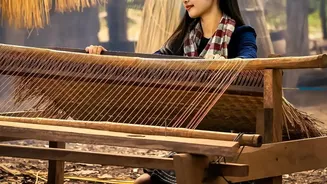
The trend is also powered by a growing interest in sustainable and ethical fashion. Younger consumers are increasingly conscious of the environmental impact of fast fashion and are drawn to handloom for its ecofriendly production process. Handweaving has a minimal carbon footprint, uses natural fibres, and supports artisanal communities. By choosing a gender neutral handloom piece, a consumer is making a multi layered statement: they are supporting local craft, making a sustainable choice, and expressing their identity outside of traditional binaries. It is a powerful convergence of personal values and aesthetic taste, proving that conscious consumption can also be cool and expressive.
A Cultural and Economic Revival
This shift is more than just a fleeting trend ;it carries significant cultural and economic weight .By expanding the market for handloom beyond traditional forms ,the demand for these textiles grows ,providing vital support to weaving communities across the country .When a single garment can be marketed to and worn by people of all genders ,its commercial viability increases .This ensures that ancient weaving techniques are not only preserved but are also seen as relevant and profitable .The gender neutral movement is effectively helping to future proof a priceless part of India's cultural heritage ,ensuring these crafts continue to thrive for generations to come .