


Mathura: The Epicentre of Devotion
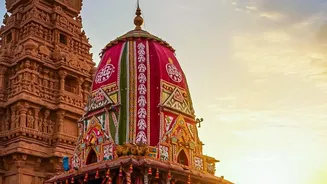
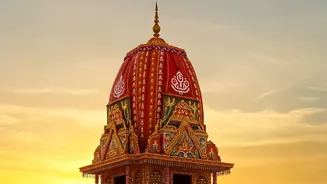
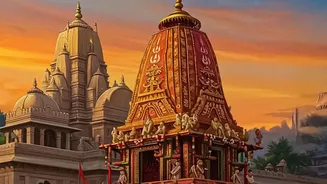
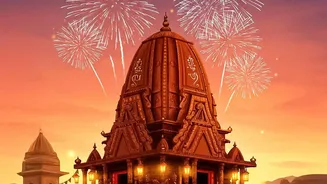
As the birthplace of Lord Krishna, Mathura offers the most traditional and deeply reverent Janmashtami experience. The entire city, especially the Krishna Janmabhoomi Temple complex, becomes a focal point of devotion. Celebrations here are steeped in ancient
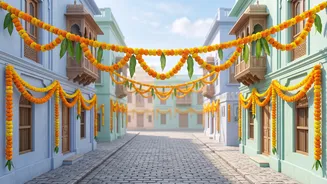
customs, with temples decorated lavishly with lights and flowers. The main event is the midnight 'Abhishek,' a ceremonial bathing of the infant Krishna idol with milk, honey, and other sacred items, performed at the exact moment of his birth. The air fills with the sound of conch shells, devotional bhajans, and chants of “Jai Kanhaiya Laal Ki,” creating an atmosphere of intense spiritual energy that attracts lakhs of devotees. Leading up to the festival, you can witness Jhulanotsav, where idols are placed on decorated swings, and dramatic reenactments of Krishna's life, known as Raasleelas.
Vrindavan: A Playful, Immersive Celebration
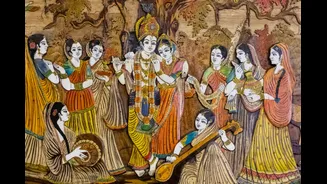
Just a few kilometres from Mathura lies Vrindavan, the town where Krishna spent his mischievous childhood. The celebration here is more intimate and playful, reflecting his youthful spirit. With over 4,000 temples, the town is alive with activity for ten days leading up to the festival. The Banke Bihari Temple is a major hub of activity, famous for its unique Mangala Aarti, which is performed only once a year on Janmashtami. The darshan here opens around 2 AM after the midnight Abhishek ceremony and continues until morning, drawing massive crowds eager to get a glimpse of the deity. Vrindavan is also known for its vibrant Raasleela performances, where local artists enact scenes from Krishna's life with the Gopis. The atmosphere is less about solemnity and more about participating in the joy of Krishna's 'leelas' or divine plays.
Mumbai: An Energetic Community Spectacle
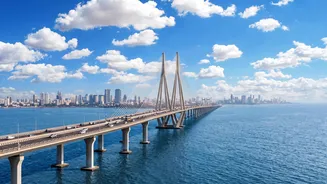
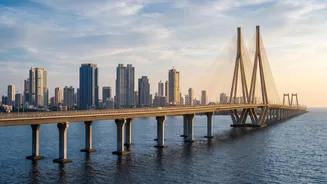
In stark contrast to the temple-focused rituals of Mathura and Vrindavan, Mumbai's Janmashtami is defined by the high-energy Dahi Handi festival. This tradition mimics Krishna's childhood habit of stealing butter and curd. Earthen pots (handis) filled with curd are strung high above the streets across the city. Teams of young men and women, known as 'Govindas,' form human pyramids to reach and break the pot. This event has evolved into a massive community spectacle, complete with music, dancing, and significant prize money. Areas like Dadar, Thane, and Ghatkopar become open-air arenas of teamwork, energy, and competitive spirit. While temples like ISKCON Juhu also hold traditional celebrations, it is the city-wide Dahi Handi that makes Mumbai's Janmashtami a unique cultural and social event, blending devotion with thrilling public festivities.