



Understanding Acute Mountain Sickness (AMS)
Acute Mountain Sickness is a common illness that affects travellers at high elevations, typically above 2,500 metres (8,000 feet). It is caused by reduced oxygen levels and lower air pressure. On the Manali-Leh route, you will cross several passes well
over 4,500 metres, making AMS a serious risk. Symptoms usually appear 6 to 12 hours after ascending and feel like a bad hangover: headache, nausea, dizziness, fatigue, and difficulty sleeping. Recognizing these early signs is the first step to staying safe. Ignoring them can lead to more severe conditions like High-Altitude Pulmonary Edema (HAPE) or Cerebral Edema (HACE), which are medical emergencies.
The Golden Rule: Acclimatise Properly
The single most effective way to prevent altitude sickness is gradual ascent. Rushing the Manali-Leh highway is the biggest mistake you can make. While the journey can technically be done in two days, a three-day itinerary is strongly recommended to allow your body to adjust. The ideal plan involves an overnight stop at a moderate altitude. Instead of pushing to Sarchu (4,290m) on the first day, which is a common but risky choice, stop at Jispa (3,200m). This gentler approach significantly reduces the chances of developing severe AMS symptoms. Spend a day or two in Manali (2,050m) before you even begin the drive to kickstart the acclimatisation process.
Hydration, Diet, and Medication
Your body loses water much faster in the dry, thin air of the mountains, and dehydration can mimic and worsen the symptoms of AMS. Aim to drink at least 3-4 litres of water daily. Avoid alcohol and smoking, as they hinder the acclimatisation process. Stick to light, high-carbohydrate meals and avoid heavy, oily foods. For medical prevention, consult your doctor about taking Acetazolamide (sold as Diamox). Many travellers start a low dose a day before ascending. It works by increasing your breathing rate, helping your body adapt faster. Remember, this is a prescription medication and is not suitable for everyone, especially those with sulfa allergies.
Navigating the Treacherous Terrain
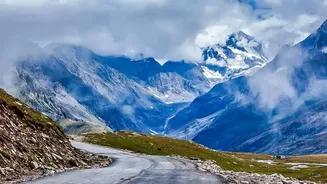
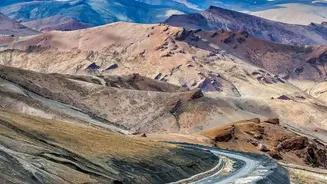
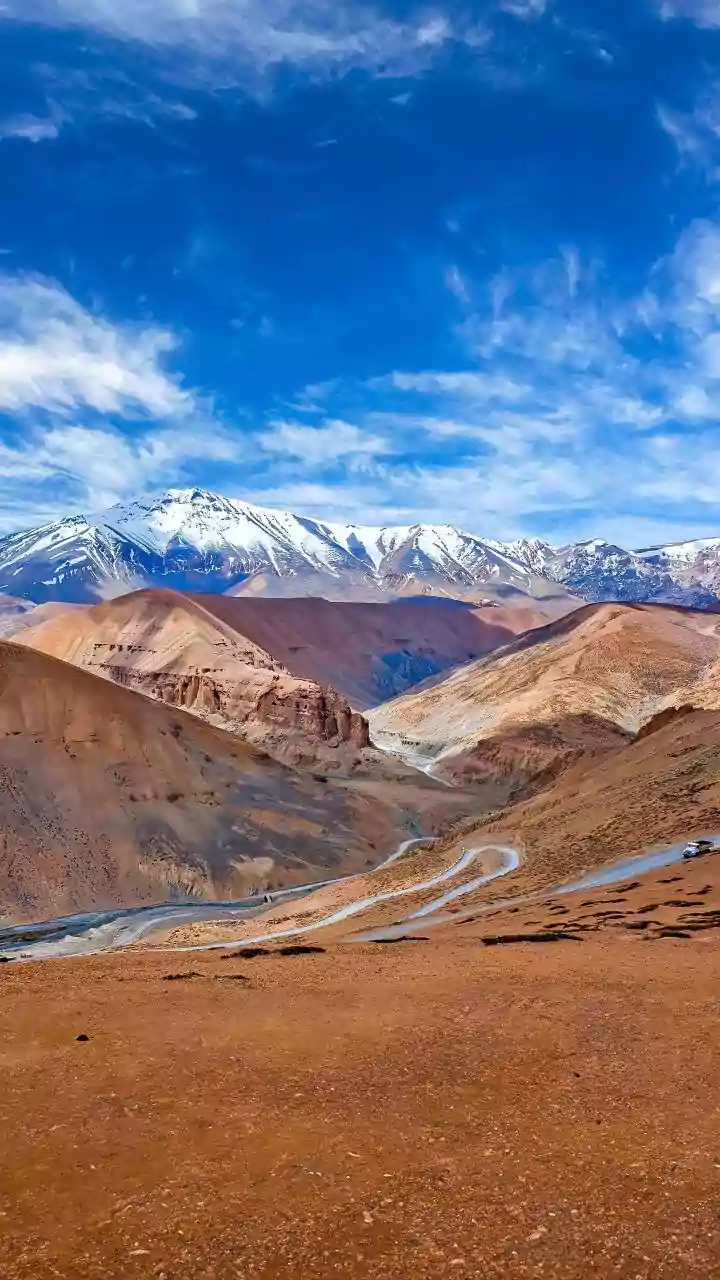
The highway's reputation is built on its challenging terrain. While the Border Roads Organisation (BRO) has significantly improved road quality, you should still be prepared for a mix of smooth tarmac, gravel, and broken patches. Key challenges include the Gata Loops, a series of 21 hairpin bends, and several high passes like Baralacha La and Tanglang La. One of the biggest hazards are the 'nalas' or water crossings, fed by melting snow and glaciers. Their flow increases dramatically in the afternoon, so always plan to cross these sections in the morning. Never drive on this highway after sunset; the lack of light and unpredictable conditions make it extremely dangerous.
Pacing Your Journey and Vehicle Prep
Plan for short driving days and start early to avoid afternoon water crossings and bad weather. The journey is a marathon, not a sprint. While a reliable car can make the trip, a vehicle with high ground clearance or a 4x4 is recommended for navigating the rougher sections and water crossings. Before you leave Manali, ensure your vehicle is in excellent condition. Fuel is only available at a few locations, with the last major stop before a long stretch being Tandi. Top up your tank here, even if it's not empty. Mobile connectivity is non-existent for most of the route, so travel in a group if possible and always carry a basic toolkit and a well-stocked first-aid kit.