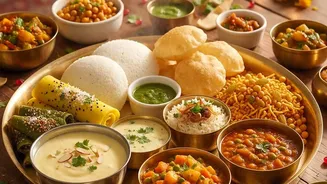





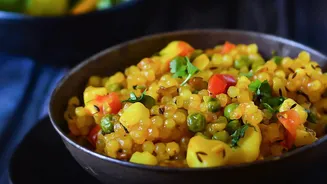
As the air turns crisp, our kitchens transform. India's winter brings a bounty of produce that isn't just comforting but is perfectly designed by nature to give our bodies the warmth, immunity, and energy needed for the season.
The Wisdom of Seasonal Eating
Eating seasonally is a practice
rooted in Indian tradition and supported by modern science. When temperatures drop, our bodies work harder to stay warm, increasing our appetite for heartier foods. Winter produce is naturally dense in the specific nutrients we need during these colder months. Foods harvested at their peak are not only more flavourful but also retain a higher nutritional value, packed with the vitamins and minerals essential for immunity and energy. Embracing seasonal foods means aligning our diet with nature’s rhythm, giving our bodies the exact tools they need to thrive.
Leafy Greens: The Immunity Powerhouses
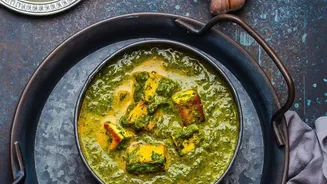
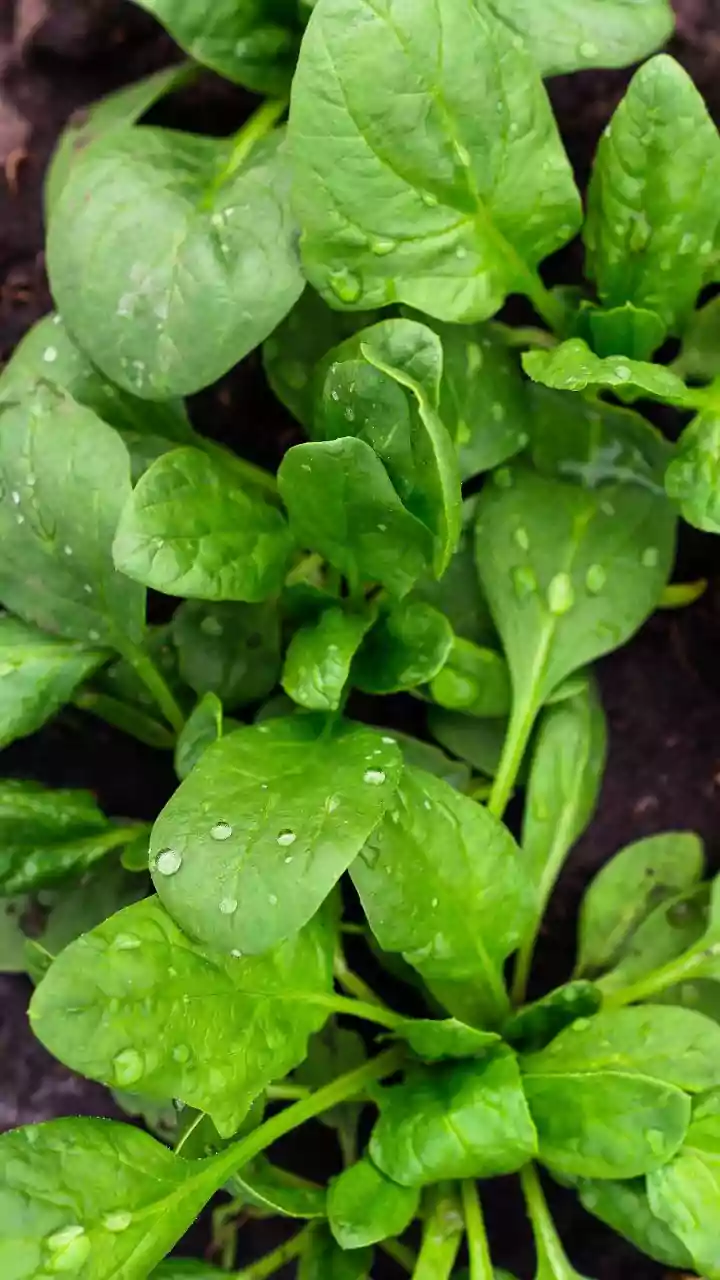
Winter is the season of vibrant green vegetables like mustard greens (sarson), spinach (palak), and fenugreek (methi). Sarson ka Saag, a beloved winter delicacy, is a nutritional powerhouse. These greens are loaded with vitamins A, C, and K, along with iron and antioxidants. Vitamin C is crucial for boosting the immune system to fight off common winter colds, while iron helps combat the fatigue that can set in during colder months. The high fibre content also aids digestion, which can become sluggish in winter.
Root Vegetables: Nature’s Warmth
There's a reason why root vegetables like carrots, radishes, and beetroots are winter staples. These vegetables are grounding and energy-rich, providing the body with the fuel it needs to generate warmth. Carrots, especially the red 'Delhi' variety, are packed with beta-carotene, a precursor to Vitamin A, which is essential for healthy skin, vision, and immune function. Beetroots are an excellent source of antioxidants and iron, which help improve blood circulation and maintain energy levels. Incorporating these into your diet, whether in a subzi, soup, or the classic Gajar ka Halwa, helps your body manage the cold efficiently.
Citrus and Amla: The Vitamin C Surge
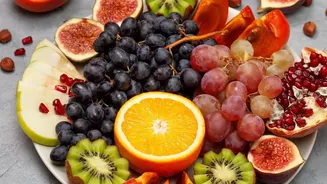
Winter brings with it an abundance of citrus fruits like oranges and kinnow, alongside the incredible Indian gooseberry, amla. These fruits are famed for their high Vitamin C content, a potent antioxidant that strengthens our immune defences against seasonal infections. Amla, in particular, is a superfood containing significantly more Vitamin C than oranges. Regular consumption helps in the production of white blood cells, which are key to fighting off illness. It also promotes collagen production, which helps combat the dry skin often experienced in winter.
Millets and Grains: Sustained Energy
Traditional winter grains like pearl millet (bajra) and maize (makki) are essential for providing sustained energy. These grains are complex carbohydrates that digest slowly, helping to keep the body warm and providing a steady release of energy. Bajra is particularly valued in winter for its warming properties and is rich in iron and fibre. Paired with sarson ka saag, makki ki roti is not just a comforting meal but a balanced one, offering fibre, protein, and essential minerals to keep you energised through the short winter days.
Spices and Ghee: The Warming Finish
Indian winter cuisine would be incomplete without its warming spices and healthy fats. Spices like ginger, turmeric, and black pepper are known to improve circulation and aid digestion. Ghee, or clarified butter, is a healthy fat that not only adds flavour but also helps the body absorb fat-soluble vitamins from vegetables. It provides lubrication for joints and helps prevent skin dryness from within. Jaggery, often paired with ghee, is a natural sweetener rich in minerals that provides warmth and energy.