



The European Dream and Its Hidden Costs
A trip to Western Europe is often seen as a rite of passage. The continent offers an incredible density of history, art, and iconic landmarks. Yet, the postcard image often hides the financial reality. While budget airlines can get you there affordably,
the on-ground expenses quickly spiral. A simple café lunch in Paris can set you back what a full-course meal might cost in India. Add museum tickets, city transport cards, and the constant temptation of shops, and your carefully planned budget can evaporate in days. For many, a European holiday becomes a frantic exercise in tracking expenses, forcing compromises between seeing the Louvre and affording dinner.
Bhutan's Unique Tourism Model
At first glance, Bhutan seems like the opposite of a budget destination. The kingdom is famous for its 'High Value, Low Volume' tourism policy, enforced through a mandatory Sustainable Development Fee (SDF). For years, this fee of US$200-250 per day made it one of the world's most exclusive destinations. However, things have changed. Recognising the need to boost tourism post-pandemic, Bhutan has significantly reduced this fee. For Indian tourists, the deal is even sweeter: the SDF is a much lower ₹1,200 per person, per night. This fee directly funds Bhutan's free healthcare and education systems, and its conservation efforts, meaning your travel contributes directly to the nation's well-being.
A Surprising Cost Comparison
This is where the math gets interesting. While the SDF is an upfront cost, it creates a predictable and often more manageable budget. A typical 10-day trip to Western Europe, covering two or three cities, can easily cost ₹2-3 lakhs per person after flights, with constant spending on food, local travel, and entry fees. Now consider Bhutan. Once the SDF and a tour package are paid for, most of your major expenses—accommodation, all meals, a private car with a driver, and a licensed guide—are covered. There are no surprise costs. A traveler might spend less on a fully guided, all-inclusive week in Bhutan than on a self-managed, budget-conscious week in Italy or France, where every coffee, train ticket, and museum entry is an additional transaction.
Value Beyond the Money
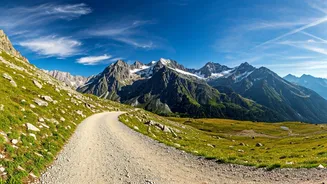
The real difference lies in the experience. European travel can sometimes feel like a checklist: Eiffel Tower, Colosseum, Big Ben. It's often crowded, fast-paced, and focused on consuming sights. Bhutan offers an entirely different return on investment. It's about immersion, not just observation. The all-inclusive model means you're not worrying about logistics; you're free to absorb your surroundings. Instead of navigating a crowded metro, you're hiking to the breathtaking Tiger's Nest monastery. Instead of a quick museum tour, you're having a long conversation with your guide about Gross National Happiness. It’s a trip that prioritises mental peace and cultural connection over a packed itinerary.
The Hassle-Free Advantage
For many, the biggest luxury is a lack of stress. Planning a multi-city European trip involves juggling flight bookings, train schedules, hotel reservations, and navigating unfamiliar public transport. It's a part-time job before the holiday even begins. In Bhutan, the tour operator handles almost everything. From your airport pickup to your daily itinerary, every detail is managed. This allows travellers to be fully present in the moment. This controlled environment also means you are shielded from the tourist traps and scams that can unfortunately plague popular European hotspots. It's a journey defined by serenity and security, from start to finish.