
Beyond the Familiar Feast
For Malayalis everywhere, Onam is synonymous with the sadya, the elaborate vegetarian banquet served on a banana leaf. The lineup is legendary: avial, sambar, thoran, and at least two kinds of payasam are non-negotiable. Yet, as the festival grows into
a global phenomenon, a counter-movement is quietly gaining momentum back home. A new generation of chefs and passionate home cooks are looking beyond the standard fare, asking what dishes might have been left behind. They are digging into family archives and oral histories to find recipes that have been overshadowed by their more famous counterparts, seeking a deeper connection to their culinary heritage.
A Taste of Bygone Eras
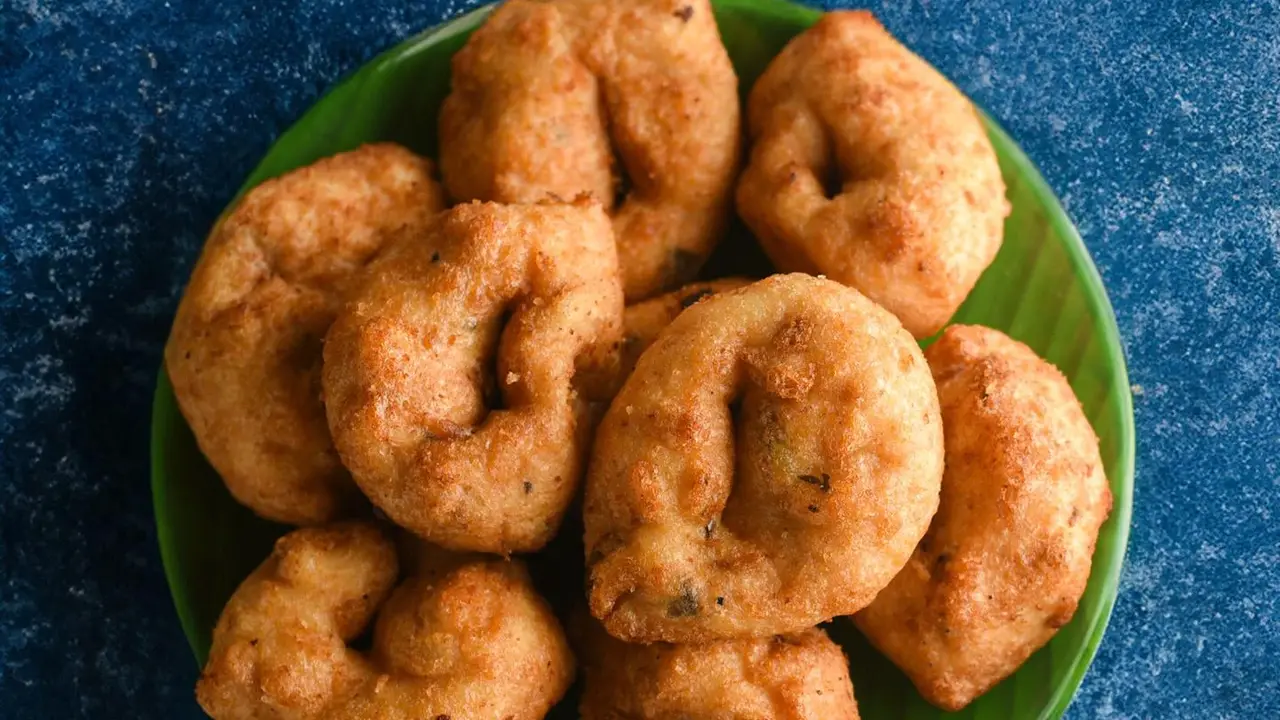
What does a forgotten Onam dish taste like? It might be a hyperlocal speciality that never travelled beyond its village, or a complex preparation that fell out of favour in an age of convenience. Take, for example, lesser-known curries like Ulli Theeyal, a slow-cooked shallot curry with roasted coconut, or Vada Koottu Curry, a rich dish where lentil patties are simmered in a spiced gravy. There are also unique pachadis and kichadis made with seasonal fruits that are rarely seen today, such as those made with ripe plantain or pineapple. These dishes often feature unique flavour combinations and cooking techniques, offering a delicious glimpse into the evolution of Kerala’s cuisine. They tell a story of a time when meals were shaped entirely by local produce and seasonal rhythms.
The Keepers of Lost Flavours
This revival isn’t happening in five-star hotels alone. It is being led by a diverse group of culinary custodians. Chefs like Regi Mathew and Suresh Pillai have made it their mission to document and popularise heirloom recipes. Mathew, co-founder of Kappa Chakka Kandhari, spent years travelling across Kerala, learning from mothers and grandmothers to create a menu that celebrates home-style cooking. At the same time, food bloggers and social media influencers are sharing their grandmothers' recipes, complete with stories passed down through generations. This movement is a tribute to the matriarchs who have been the silent keepers of this culinary knowledge, ensuring their wisdom isn't lost.
A Craving for Authenticity
Why this sudden interest in the past? Experts suggest it’s a response to the increasing commercialisation of festivals and a modern yearning for authenticity. In an era of instant mixes and outsourced sadyas, cooking a forgotten dish from scratch is a powerful act of connection. It's about reclaiming a piece of one's identity. Celebrity chef Sanjeev Kapoor recently noted that reviving these heritage tastes is about more than nostalgia; it is a way to reconnect with a simpler, more soulful way of eating that was deeply intertwined with nature and wellness. As more women entered the workforce, the time-intensive labour of preparing an elaborate sadya became a challenge, leading to a reliance on caterers and restaurants. This modern revival is a conscious effort to bring that culinary craft back into the home.
Food as a Living Archive
Ultimately, the rediscovery of these forgotten recipes reinforces the idea that food is much more than sustenance. It is a living, breathing archive of a community's history, values, and memories. Each dish served during Onam tells a story—of harvest, of mythological kings, and of shared joy. By bringing these old recipes back to the banana leaf, food lovers are not just adding new flavours to their feast; they are preserving a vital part of Kerala’s cultural soul. This movement ensures that the Onam sadya continues to evolve, not by abandoning tradition, but by embracing its full, delicious history.