



The Illusion of Glass-Box Luxury
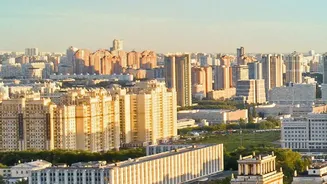
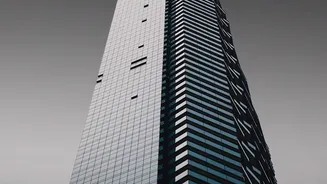
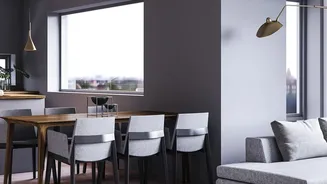
For decades, the peak of urban luxury has been presented as a glass-walled apartment with a panoramic view. While visually stunning, this ideal often clashes with the reality of living in a sealed box high in the sky. True comfort—the kind you feel rather
than just see—is less about the square footage of the window and more about the intelligence of the design. Issues like poor air quality, inconsistent temperatures, and noise pollution aren't just minor inconveniences for residents to solve with air purifiers and blackout curtains. They are often fundamental flaws baked into the building's core design, turning what should be a comfortable home into a daily struggle against the environment. The reliance on mechanical systems like HVAC to fix these problems is a patch, not a solution, and contributes to high energy consumption.
The Physics of Living Tall
A high-rise building is a complex ecosystem battling powerful natural forces. Architects and engineers must contend with the 'stack effect,' where temperature differences between the inside and outside create a massive, chimney-like airflow, pulling air upwards through elevator shafts and stairwells. This can lead to drafts, pressure imbalances, and difficulty in controlling temperature. Furthermore, without physical barriers, the upper floors are exposed to intense solar radiation and high winds, causing overheating and strange whistling noises. Many modern buildings are designed as sealed units to combat these forces, but this creates a different problem: a complete dependence on mechanical ventilation and a disconnect from the natural environment, which can negatively impact well-being.
Let the Building Breathe
So what's the alternative? A growing movement in architecture is focused on making tall buildings breathe. This involves moving beyond sealed facades and reintroducing elements of natural ventilation. Techniques like cross-ventilation (windows on opposite sides), stack ventilation (leveraging the natural rise of warm air), and the use of 'sky gardens' or open-air corridors can drastically improve air quality and reduce the need for air conditioning. Singapore's Oasia Hotel Downtown is a landmark example, with its porous, plant-covered facade and open-sided sky terraces that allow wind to pass through the structure, naturally cooling the building. These strategies demonstrate that it is possible to build high without sealing residents off from the outside world.
Designing for Human Beings
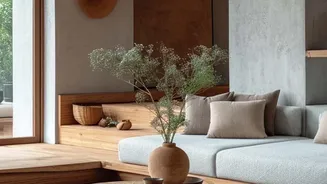
Beyond temperature and airflow, a truly comfortable building considers our innate psychological needs. This is the core of biophilic design, which seeks to connect people with nature. Features like integrated planters on balconies, green walls, the use of natural materials like wood and stone, and maximizing natural light have been shown to reduce stress and improve mental health. It’s about creating an environment that feels alive. This also extends to acoustics—designing walls and floors to minimize noise from neighbours and the building’s systems—and layout, ensuring spaces are functional for daily life, not just aesthetically pleasing. Research shows that our built environment has a profound, often unconscious, impact on our happiness and health.
The Future of Urban Homes
As cities across India and the world continue to grow upwards, the conversation about housing quality must evolve. It's not enough to simply build more units; we must build better ones. Smart design choices, such as dynamic facades with automated shading, can block the sun's heat before it enters the building, reducing the load on cooling systems. Using building materials with high thermal mass, like certain types of brick or concrete, can help regulate indoor temperatures naturally by absorbing heat during the day and releasing it at night. These aren't futuristic fantasies; they are proven strategies that prioritize the long-term well-being of residents over short-term construction ease. By embracing these principles, we can create high-rise homes that are not just places to live, but places that help us thrive.