







Start From the Top: The Roof
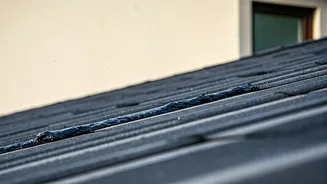
Your home’s first line of defence against the rain is its roof and terrace. Before the downpours begin, conduct a thorough inspection. Look for visible cracks on the surface, especially on concrete roofs. Small cracks can be filled with a readily available
crack-filling compound. For larger issues or tiled roofs with loose or broken tiles, it’s best to get them repaired or replaced. Don't forget to check the drainage. Ensure that water outlets on the terrace are not clogged with leaves or debris. A simple cleaning can prevent water from pooling, which is a leading cause of seepage into the floors below. Applying a fresh coat of a good quality waterproof sealant on the terrace can add an extra layer of protection that lasts for years.
Secure the Perimeter: Walls and Windows
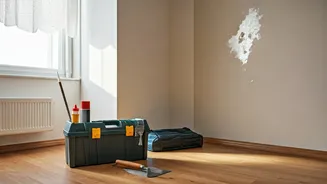
Water doesn’t just come from above; it can also seep through your walls. Inspect your home's exterior walls for cracks. For small hairline cracks, a coat of exterior waterproof paint can often do the trick. These paints create a membrane that prevents water from penetrating the wall. For deeper cracks, you will need to fill them with a waterproof putty or sealant before painting. Pay close attention to the seals around your windows and door frames. Over time, the sealant can degrade, creating small gaps for water to enter. Scrape out the old, crumbling sealant and apply a new bead of silicone caulk. This is a simple, low-cost fix that has a massive impact on keeping your interiors dry during heavy, wind-driven rain.
Check the Flow: Drains and Gutters
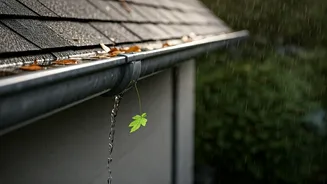
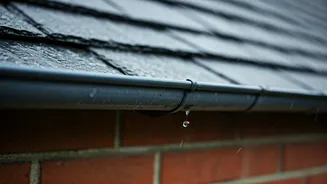
This is one of the most commonly overlooked pre-monsoon tasks, yet it's one of the most critical. Clogged drains, pipes, and gutters can cause water to back up and overflow, leading to damage to your walls, foundation, and even interiors. Before the rains, make it a point to thoroughly clean all drainage channels around your house. Remove any leaves, plastic, or other debris that may have accumulated. If you have rain gutters along your roofline, ensure they are clear and securely attached. A free-flowing drainage system directs rainwater away from your home's structure, preventing water logging and the dampness that comes with it. If you notice any blockages that you can't clear yourself, call a plumber before the problem gets worse.
Fight the Damp Inside: Ventilation and Furniture
Even in a leak-proof home, the high humidity of the monsoon can cause problems indoors. Dampness can lead to musty smells, mould growth, and damage to your belongings. To combat this, ensure your home is well-ventilated. Open windows on dry, sunny days to allow air to circulate. In rooms that are prone to dampness, like bathrooms and kitchens, ensure exhaust fans are working. You can also place moisture-absorbing products like silica gel packets or commercially available dehumidifiers in closets and cupboards to protect your clothes and linens. Keep furniture, especially wooden pieces, a few inches away from walls to prevent moisture from being trapped behind them, which can lead to mould and warping.
Prioritise Safety: Check Your Electricals
Water and electricity are a dangerous combination. Damp walls can make electrical fittings unsafe, increasing the risk of short circuits and electric shocks. It is crucial to have your home’s wiring checked by a qualified electrician before the monsoon. Look for any exposed wires or cracked switch plates and get them fixed immediately. Ensure your home's main circuit breaker has an Earth Leakage Circuit Breaker (ELCB), which is designed to cut off the power automatically in case of a current leak. If you see any sparks, smell burning, or notice a damp patch near an electrical point, switch off the mains immediately and call a professional. Do not attempt to fix electrical issues yourself, especially during the rainy season.