



The Science of Joint Impact
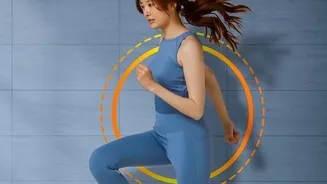
Before we compare, it’s important to understand what 'impact' means. In exercise, impact is the force exerted on your bones and joints. High-impact exercises, like running, involve movements where both feet leave the ground at the same time, leading to a greater
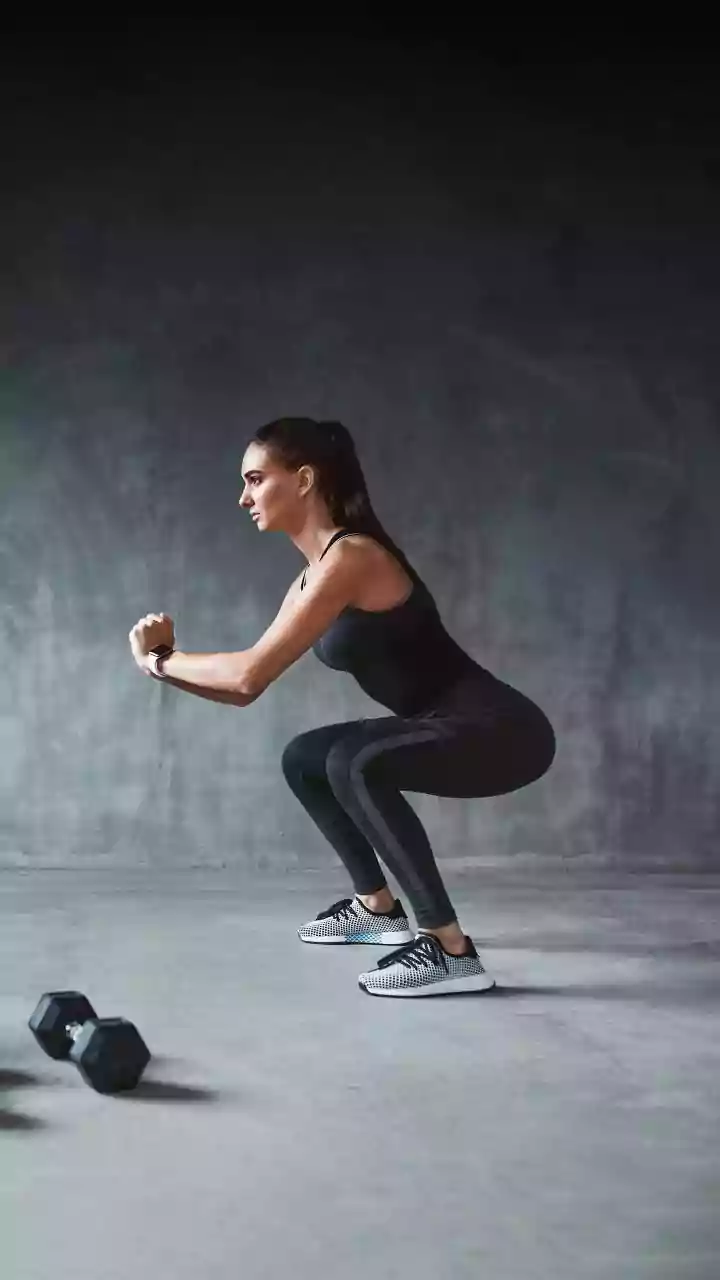
landing force on your joints—sometimes up to 2.5 times your body weight. Low-impact exercises, on the other hand, keep at least one foot on the ground, reducing the stress on your knees, hips, and ankles. This distinction is key for anyone with existing joint issues or those looking to preserve their joint health over the long term.
Running: The High-Impact Contender
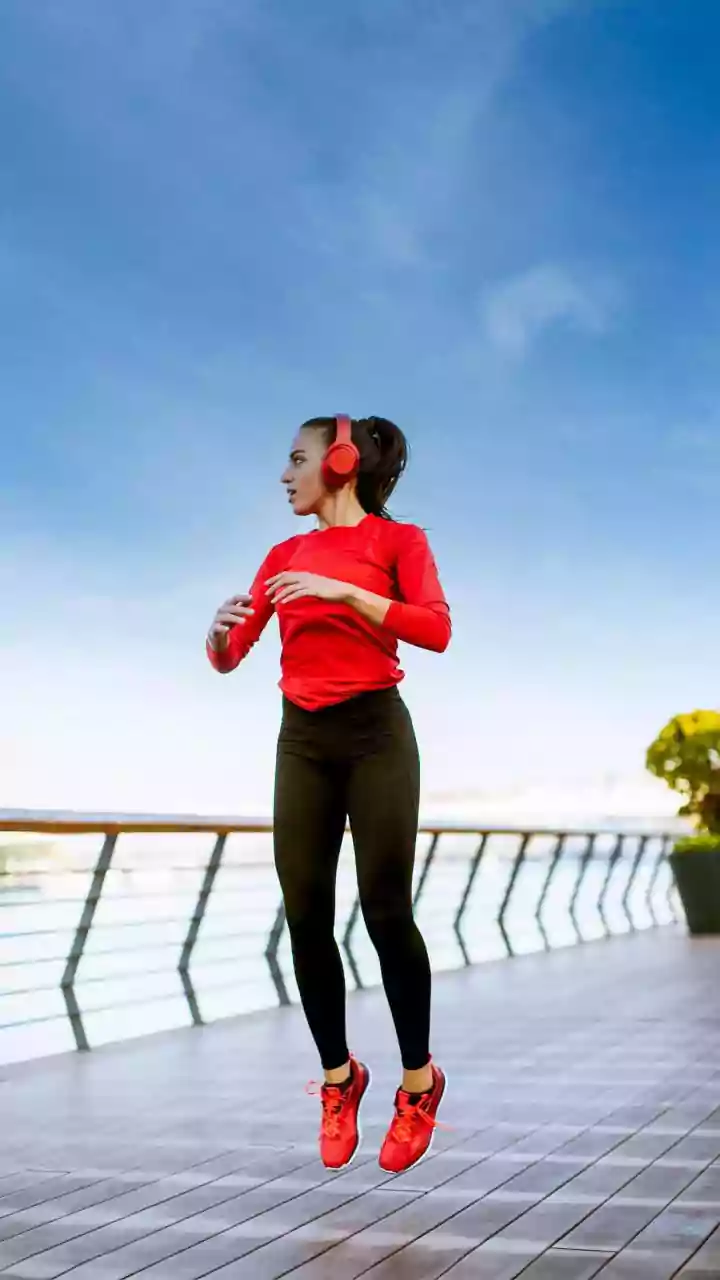
Running is a globally popular, accessible, and effective cardiovascular workout. Its repetitive, forward-motion nature makes it a high-impact activity. For years, a common belief was that this repetitive pounding was inherently bad for your joints, particularly your knees. However, recent research suggests a more nuanced reality. For recreational runners, the cyclic loading of running may actually help keep cartilage healthy and lubricated. Some studies have even found that recreational runners have a lower prevalence of osteoarthritis compared to sedentary individuals. The primary risks associated with running often stem from overuse, poor form, or increasing mileage too quickly, which can lead to injuries. Running also strengthens the muscles around the joints, which provides better support and stability.
Dancing: A World of Variable Impact
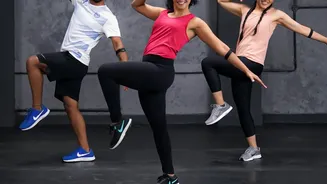
Unlike running, 'dancing' isn't a single activity but a vast category of movements. The joint impact of dancing depends entirely on the style. High-energy styles like hip-hop, vigorous folk dances, or even some commercial routines can be just as high-impact as running, involving jumping, leaping, and quick changes in direction. In contrast, styles like ballroom, contemporary, or classical ballet can be much gentler on the joints. Dancing's primary difference from running is its multi-directional movement. It involves not just forward motion but also lateral (side-to-side) and rotational movements, which engage a wider variety of muscles. This can lead to better overall muscle balance and core strength, which in turn supports joint stability. However, these same twisting motions can carry a risk of acute injuries if not performed with proper technique.
Comparing the Stress on Your Joints
When you run, the force is consistent and primarily affects the lower body joints like the ankles, knees, and hips in a repetitive, straight line. For many, this rhythmic stress can be beneficial for bone density and joint health, provided it's done in moderation. Dancing distributes forces more variably across the body. While a ballet plié might stress the knees and hips, floor work in contemporary dance engages the upper body, and the quick pivots of salsa challenge ankle stability. This variety can be a major advantage, as it prevents the kind of repetitive strain that can lead to overuse injuries in a single area. Low-impact dance forms are particularly beneficial for those with arthritis or joint sensitivity, as they improve circulation and lubrication without the jarring force of running.
So, Which Is Right for You?
The 'better' choice truly depends on your personal goals, fitness level, and body. If your primary goal is pure cardiovascular endurance and you have healthy joints, running is an efficient and straightforward option. If you're seeking a full-body workout that also improves balance, coordination, and flexibility, dancing might be a more engaging choice. For those with sensitive joints or a history of injuries, low-impact dance styles or other activities like swimming and cycling are often recommended. The most important factor is enjoyment and consistency. The best exercise is the one with one you'll stick. Many people find the music, social interaction, and skill progression of dancing more motivating than running. Ultimately, listening to your body is crucial. You might even find that a combination of both—a couple of runs and a dance class each week—gives you the perfect balance of cardiovascular fitness and full-body conditioning.