
Saturn Commands the Evening
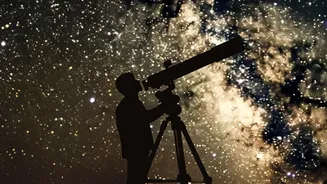
The undisputed star of the late August planetary show is Saturn. The famous ringed planet is perfectly positioned for evening viewing, rising in the eastern sky and visible for most of the night. During this period, Saturn is approaching its opposition,
the point in its orbit when it is opposite the sun from our perspective on Earth. This alignment means the planet is at its biggest and brightest in our sky. You won't need a professional telescope to spot its yellowish glow. Even a good pair of binoculars might stabilize your view enough to hint at its iconic rings, which will appear as tiny extensions on either side of the planet's disk. As the month progresses, Saturn will rise progressively earlier, making it an easy and rewarding target for sky-watchers of all levels. Look for it in the constellation Pisces.
The Full Sturgeon Moon Eclipse
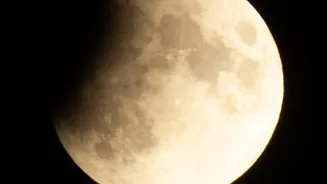
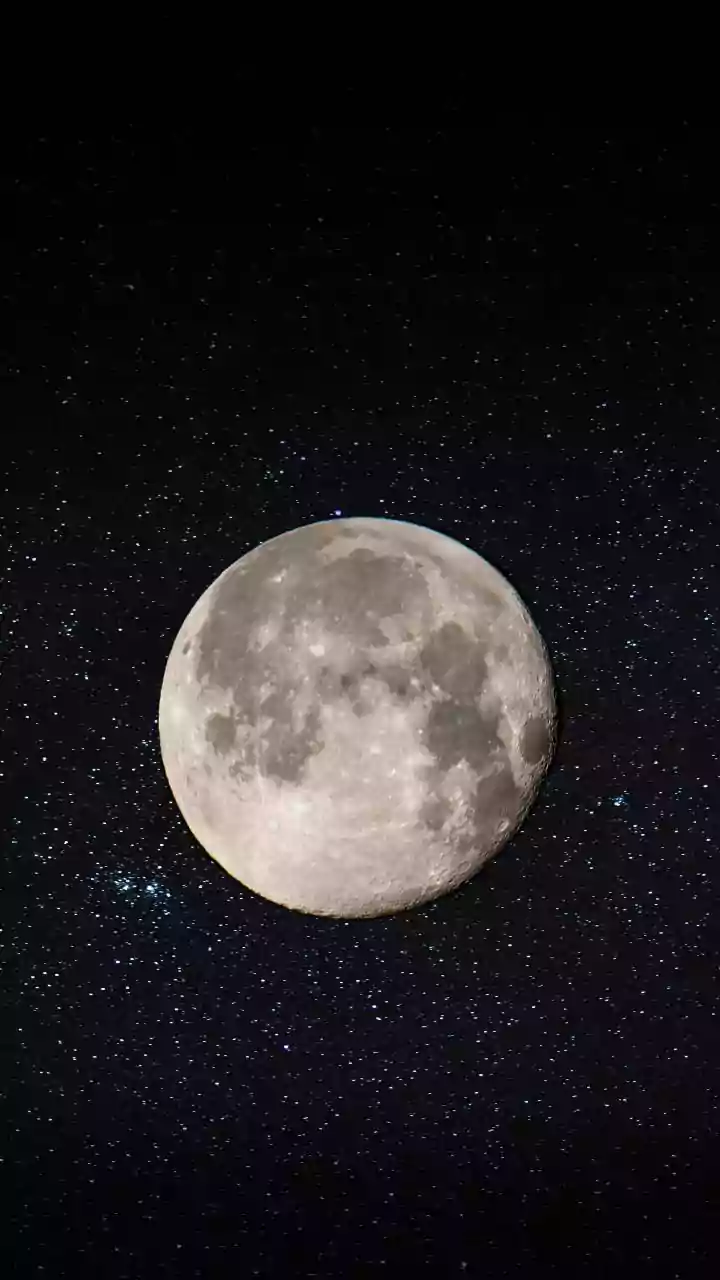
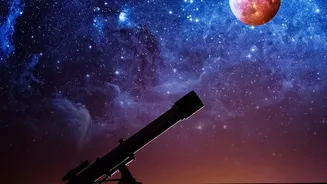
Mark your calendar for the night of August 27-28, as the month concludes with a spectacular Full Moon. Traditionally known as the Sturgeon Moon, this name comes from the giant sturgeon fish that were most readily caught in North American lakes during this time of year. But this is no ordinary full moon. On this night, Earth will pass between the sun and moon, casting its shadow and creating a deep partial lunar eclipse. For observers in the right locations, up to 96% of the Moon's face will be covered by Earth's darkest shadow, which may give the moon a reddish, coppery tint often called a 'Blood Moon'. The event will be a stunning sight, a celestial alignment that adds a touch of drama to the end of summer.
Follow the Summer Triangle
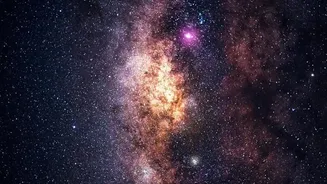
While planets are captivating, don't forget to look for the classic star patterns of the season. The Summer Triangle is still high and bright in the sky after sunset. This is not a formal constellation but an asterism, a prominent pattern of stars, formed by three of the brightest stars in the sky: Vega, Deneb, and Altair. Vega, in the constellation Lyra, is the highest and brightest of the three. Deneb, marking the tail of Cygnus the Swan, is to the east, and Altair, in Aquila the Eagle, forms the southern point of the triangle. Once you find the Triangle, you'll be looking right at the heart of the Milky Way galaxy. If you can get away from city lights, the river of stars that is our galaxy's plane stretches between Deneb and Altair, appearing as a faint, glowing cloud across the sky.
An Evening Glimpse of Venus
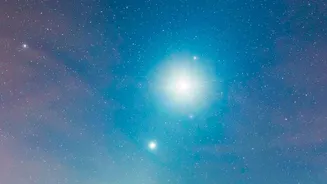
If you're looking west just after the sun goes down, you'll be treated to the brilliant sight of Venus. Often called the 'Evening Star', Venus has been a bright fixture in the twilight sky for the past few months. Its brightness is unmistakable; it outshines every other star or planet. However, it doesn't stay up for long. As an inner planet, it never strays too far from the Sun in our sky, so it will set a couple of hours after sunset. This makes the window for viewing relatively short, but its dazzling appearance is well worth catching as dusk settles in.
A Faint Meteor Shower to Finish
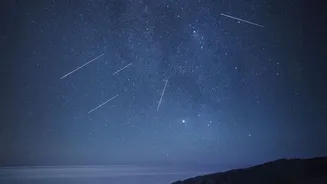
For those who enjoy the fleeting magic of shooting stars, the Aurigid meteor shower becomes active starting around August 28, peaking on the night of August 31 into September 1. These meteors originate from dust left behind by Comet Kiess. While the Aurigids are known for producing occasional bright fireballs, it's important to set realistic expectations for 2026. The shower's peak occurs just a few days after the Full Moon on August 28. This means the sky will be brightly illuminated by a waning gibbous moon, washing out all but the very brightest meteors. If you are patient and in a very dark location, you might still catch a few streaks of light, but it won't be a prolific display.