





The Golden Ticket: More Visa-Free Travel
Perhaps the biggest game-changer for Indian passport holders this year is the growing list of countries offering visa-free entry. The hassle and cost of visa applications have long been a significant barrier to spontaneous international travel. Now, popular
destinations like Thailand, Malaysia, and Sri Lanka have waived visa requirements for Indian tourists for specific periods, making last-minute getaways a reality. Iran and Kenya have also joined this trend, opening up diverse cultural and natural experiences without the paperwork. This isn't just about saving money; it's about freedom. The ability to book a flight to Bangkok or Colombo for a long weekend on a whim is a luxury that is becoming increasingly accessible. This shift is a clear signal that Indian tourists are highly sought after, and more countries are expected to follow suit to capture a slice of India's booming outbound travel market.
New Skies and Better Connectivity
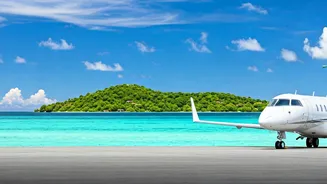
Getting there is half the battle, and airlines are making it easier than ever. This year has seen a significant ramp-up in flight frequencies and the launch of new direct routes from major Indian cities. Airlines are expanding their networks to meet surging demand, connecting cities like Bengaluru, Hyderabad, and Ahmedabad directly to international hubs in Southeast Asia, the Middle East, and even Europe. Domestically, new airports and expanded services under the UDAN scheme are unlocking access to once-remote destinations. This increased competition and capacity can lead to more competitive pricing, especially if you book in advance or travel during the shoulder season. Better connectivity means less time spent in layovers and more time enjoying your destination, whether it’s a quick business trip that turns into a weekend of leisure or a long-awaited family holiday.
The Great Indian Pilgrimage (and Beyond)
While international travel is roaring back, there's an equally powerful trend pulling travellers inward: domestic discovery. Spiritual tourism, in particular, has seen an unprecedented surge. Destinations like Ayodhya, Varanasi, and Ujjain are drawing record crowds, fuelled by improved infrastructure and a renewed cultural interest. But it's not just about pilgrimages. Indians are exploring their own backyard with a newfound passion. From the pristine beaches of the Andaman and Nicobar Islands to the snow-capped peaks of Himachal and the serene backwaters of Kerala, people are seeking out authentic experiences closer to home. This trend has also given rise to homestays, boutique properties, and eco-resorts in offbeat locations, offering a welcome alternative to crowded tourist traps and a chance to connect with local culture on a deeper level.
Smarter Spending, Richer Experiences
The post-pandemic traveller is more discerning. While the desire to splurge on a big 'revenge travel' trip is still there, many are adopting a more balanced approach. This year is all about 'value-luxe'—getting the most bang for your buck without sacrificing quality. Travellers are achieving this by opting for shorter, more frequent international trips to nearby countries instead of one long, expensive haul. They are also increasingly travelling during off-peak seasons to avoid crowds and inflated prices. The focus is shifting from simply ticking off landmarks to immersing oneself in experiences, whether it's a cooking class in Thailand, a diving course in the Maldives, or a wellness retreat in the Himalayas. People are willing to spend on memorable activities rather than just expensive hotels, proving that a rich travel experience isn't always tied to a high price tag.
Your Office Is Now a Beach Hut
The lines between work, life, and travel continue to blur, and 'bleisure' (blending business and leisure) is no longer a niche concept. More companies are embracing flexible work policies, allowing employees to extend business trips for personal exploration. This has popularised the 'workation'—relocating to a scenic spot for a few weeks to work remotely. Hill stations like Manali and Mussoorie, and coastal towns in Goa and Kerala have become hotspots for digital nomads and remote workers seeking a change of scenery. This trend allows for deeper, slower travel, giving you the chance to live like a local rather than just visit. As long as there’s reliable Wi-Fi, your office can be anywhere from a cafe in Jaipur to a balcony overlooking the Western Ghats, making travel a more integrated part of life, not just a once-a-year event.