


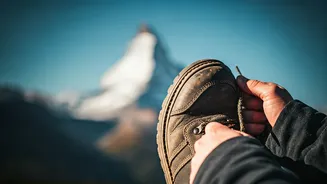



The Old Definition of Adventure
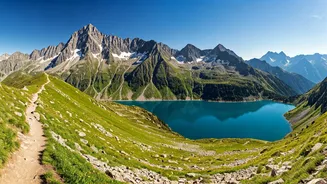
For decades, active travel was synonymous with adventure travel. It was about pushing physical limits in formidable environments. Think scaling a Himalayan peak, trekking through dense jungles, or white-water rafting down treacherous rapids. These trips
were often seen as a badge of honour, demanding intense preparation, a high level of fitness, and a tolerance for roughing it. While these hardcore expeditions still hold appeal for a dedicated few, they represented a niche, often intimidating, corner of the travel market. For the average person seeking a holiday that was more than just lounging by a pool, the options seemed limited to either extreme exertion or complete inactivity.
What's Driving the Shift?
Several cultural shifts are responsible for broadening the definition of active travel. Firstly, there's the global wellness movement. Travellers are no longer content to return from a holiday feeling exhausted and overindulged. They want to come back rejuvenated. This has fused the desire for physical activity with mindfulness and mental well-being. Secondly, the concept of 'experiential travel' has taken hold. People crave authentic connections with a destination, its culture, and its people. An activity, whether it's cycling through villages or learning a local craft, becomes a vehicle for deeper immersion. Finally, demographics are changing. Travellers are staying active later in life and want engaging holidays that cater to their abilities without being punishing. This has created a huge demand for what the industry calls 'soft adventure.'
The Rise of 'Soft Adventure'
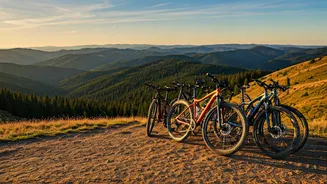
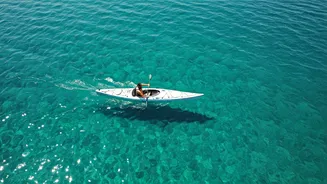
Soft adventure is the sweet spot between sightseeing from a tour bus and summiting a mountain. It’s about accessible, low-risk activities that still offer a sense of accomplishment and connection to nature. This is where the modern active travel trend truly blossoms. Imagine a leisurely cycling tour through the vineyards of Nashik, a multi-day kayaking trip along Kerala’s backwaters with stays in comfortable homestays, or a guided walking safari in a national park. These trips focus on the journey, not just the destination. They allow you to move at a human pace, absorbing the sights, sounds, and smells of a place in a way that’s impossible from a moving vehicle. The focus is on participation and enjoyment, not endurance.
Wellness and Movement Combined
The fusion of wellness and activity has created an entire new category of travel. Yoga retreats are no longer just about mastering asanas in a shala; they now incorporate guided hikes, meditation walks, and healthy cooking classes. You might find a trip that combines surfing lessons in the morning with restorative yoga in the evening, or a boot camp that uses a stunning natural landscape as its gym. These holidays are designed to nourish the body and the mind simultaneously. The physical activity isn't a grueling challenge but a form of mindful movement, helping travellers disconnect from their stressful daily lives and reconnect with themselves.
An Active Way to Learn
Another exciting evolution is skill-based active travel. The activity itself becomes a way to learn and grow. This could be a week-long culinary tour in Rajasthan where you cycle between farms and villages, learning to cook regional specialities along the way. It could be joining a conservation project that involves tracking wildlife on foot, or taking a sailing course that teaches you to navigate the open water. In these scenarios, the physical component is integral but serves a larger purpose: acquiring a new skill, contributing to a cause, or gaining a profound understanding of a culture. It transforms a holiday from a passive experience into an active process of discovery.