

The Hidden Dangers on Your Balcony
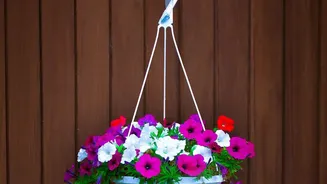
A planter or hanging basket may not seem heavy, but looks are deceiving. Once filled with soil, plants, and water, their weight increases dramatically. A single large planter can weigh over 45 kilograms after a heavy rain. A fall from even a single storey
can cause devastating injury to anyone below, damage property like cars, or land on a neighbour's balcony. Strong winds, a common feature during monsoon season, can easily lift improperly secured planters or cause hanging baskets to swing violently and break free from their hooks. Beyond the immediate danger, you could also be held liable for any damage or injury caused. It's a risk that's simply not worth taking for the sake of a few minutes of preventative maintenance.
Your Pre-Monsoon Safety Checklist
Before the weather turns, take 10 minutes to conduct a thorough inspection. A seasonal check is crucial to catch problems before they escalate. For Hanging Baskets: - Chains and Hooks: Check for any signs of rust or metal fatigue. Rusted chains are weak chains. Ensure the S-hook connecting the basket to the bracket is closed or has a safety latch. - The Basket Itself: Look for cracks in plastic baskets and rust or weak spots in wireframe ones. Liners should be intact, not disintegrating. - The Anchor Point: Shake the wall or ceiling bracket firmly. Is it securely fastened? Are the screws tight and rust-free? If it moves at all, it needs to be refastened. For Rail Planters: - Brackets: Ensure the brackets fit your railing snugly. They should not rock or slide. Check for rust, cracks, or bending. The hardware—screws and bolts—should be tight. - The Planter Box: Check plastic and terracotta planters for cracks. Wooden boxes should be checked for rot or softening, especially at the corners. - Stability: Try to lift the planter straight up. It shouldn't easily come off the brackets. Give it a gentle push; excessive wobbling means it's not secure.
How to Properly Secure Your Planters
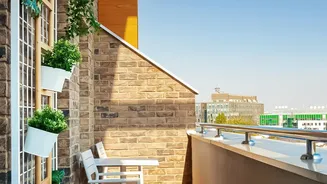
If your inspection reveals any weaknesses, it's time for action. For rail planters, using brackets designed specifically for your railing type (e.g., flat wood, round metal) is the first and most important step. Longer planters require more support; a good rule is to add a bracket for every 24 to 36 inches of length. As a secondary safety measure, especially in high-wind areas, loop a heavy-duty, UV-resistant zip tie or a length of galvanised wire through the planter's drainage holes and around the railing itself. This provides a crucial backup if a bracket fails. For hanging baskets, the anchor is everything. Ensure you're drilling into a solid structural element like a ceiling joist or wall stud, not just plasterboard. Use a hook bolt that is rated for well above the basket's maximum wet weight. For renters who cannot drill holes, sturdy, freestanding plant stands or shepherd's hooks are a much safer alternative to temporary solutions.
Choosing the Right Materials
The longevity and safety of your setup depend heavily on the materials you use. When it comes to fixings like screws, brackets, and chains, always opt for weather-resistant options. Galvanized or powder-coated steel and aluminium are excellent choices as they resist rust and corrosion. Standard indoor screws will rust and fail quickly when exposed to the elements. For planters themselves, consider lightweight materials like high-quality plastic, resin, or fibreglass instead of heavy ceramic or concrete, especially on balconies where weight limits are a concern. Lightweight potting mix should be used over heavier garden soil. These choices reduce the overall load on your railings and fixings, making the entire setup inherently safer.
Long-Term Maintenance is Key
Securing your planters isn't a one-time task. Weather, temperature fluctuations, and the constant presence of moisture will degrade materials over time. Make it a habit to repeat your safety check at the beginning of each major season, particularly before the monsoon and after it ends. After any severe storm with high winds, it's wise to do a quick inspection to ensure everything is still secure. Keep an eye on your plants as well. A plant that has grown significantly larger may have also become much heavier, potentially exceeding the weight your original setup was designed for. Regular pruning can help manage this. By integrating these checks into your regular gardening routine, you ensure your balcony remains a safe and enjoyable space for everyone.