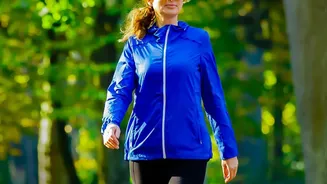








What is Lymphatic Walking?
On the surface, lymphatic walking doesn't look dramatically different from a regular, purposeful walk. The trend, popularised on social media, generally involves walking at a comfortable to brisk pace while incorporating intentional movements. This can
include pronounced arm swings, gentle torso twists, deep diaphragmatic breathing, and focusing on a tall posture with relaxed shoulders. Some variations suggest specific foot-striking patterns. The core idea is that these added motions are designed to stimulate the lymphatic system more effectively than a standard stroll. While the name is new, the principles behind it are not; physiotherapists have long recommended movement to support this crucial bodily system.
Your Body’s Silent Drainage System
To understand the trend, you first need to know about the lymphatic system. Think of it as your body's secondary circulatory and waste management network. It’s a complex web of vessels and nodes that transports lymph, a clear fluid containing white blood cells, throughout the body. This system is vital for maintaining fluid balance in your tissues and plays a crucial role in your immune response by filtering out bacteria, viruses, and cellular waste. However, unlike the cardiovascular system which has the heart to pump blood, the lymphatic system has no central pump. It relies on external forces—namely muscle contractions and deep breathing—to move fluid along.
The Truth: Any Walking Is Lymphatic Walking
Here's the good news: you don't need a special technique to support your lymphatic system. Any form of walking, especially at a brisk pace, is beneficial. When you walk, the muscles in your legs contract and relax, squeezing the lymphatic vessels and pushing the fluid upwards. Deeper breathing, a natural consequence of aerobic exercise, changes the pressure in your chest and abdomen, which helps draw lymph fluid toward your core. In essence, the simple act of moving your body provides the 'pump' your lymphatic system needs to function effectively. Studies have shown that exercise can significantly increase lymph flow compared to being at rest.
The Myth of 'Flushing Toxins'
This is where the trend’s claims get murky. While the lymphatic system does transport cellular waste, the idea that a specific walking style can “flush toxins” from your body is a significant overstatement. Your body’s primary detoxification powerhouses are your liver and kidneys. These organs are responsible for filtering and processing harmful substances, which are then eliminated. The lymphatic system assists in this process by clearing waste from tissues, but it is not a standalone detox machine. There is no scientific evidence to suggest that specific movements can force your organs to 'detox' more effectively or that sweat is a primary way to expel toxins. The term 'detox' is often used in wellness marketing to describe processes that are simply normal bodily functions.
So, Should You Try It?
If the idea of lymphatic walking motivates you to get up and move, then it has value. Walking offers a vast array of proven health benefits, from improving heart health and strengthening bones to boosting mood and managing weight. The intentional focus on posture, arm movement, and deep breathing might make your walk more mindful and engaging, which is a positive outcome. However, there is no research to suggest that these specific techniques are superior to a regular brisk walk for lymphatic support. The real benefit comes from the walking itself. Feel free to incorporate the movements if you enjoy them, but don't feel pressured into performing a special routine. The most important thing is consistency and finding a form of movement that you can stick with.