




IMD's Late-Season Forecast
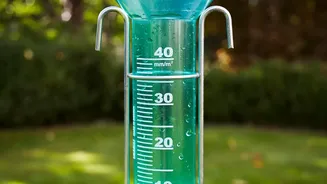
The India Meteorological Department (IMD) has issued its outlook for the second half of the 2026 Southwest Monsoon, and the message is one of caution and significant regional variation. The forecast for August and September suggests that rainfall for the country
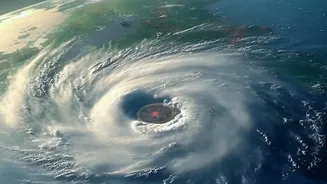
as a whole is likely to be below normal, defined as less than 94% of the Long Period Average (LPA). This is largely attributed to strengthening El Niño conditions in the Pacific Ocean, a phenomenon typically associated with weaker monsoon winds and reduced rainfall over the Indian subcontinent. However, the national average masks a more complex reality. The IMD also indicates that while many parts of the country may see a deficit, some areas in central, peninsular, and northeast India could experience normal to even above-normal rainfall.
From Rainfall Deficit to Localised Surplus
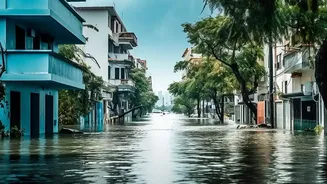
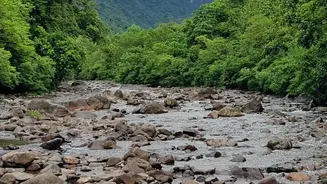
The monsoon season so far has been a journey of contrasts. After a concerning deficit in June, rainfall picked up in July, which helped erase some of the shortfall. Yet, this recovery has been unevenly distributed. As of late July, the cumulative seasonal rainfall remained in deficit, with regions like the South Peninsula experiencing significantly less rain than normal, while parts of Central India saw a surplus. This patchwork of rainfall means that a state-level or even district-level view is now far more important than the all-India figure. Recent heavy rainfall in specific catchment areas has led to dramatic rises in local water bodies. For example, reservoirs supplying Mumbai have filled to over 90% capacity, a comfortable position that secures the city’s water supply. Similarly, recent rains in the Cauvery catchment have led Karnataka to release water downstream to Tamil Nadu.
Why Reservoirs Are the Real Story
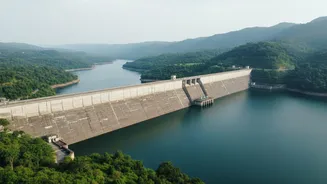
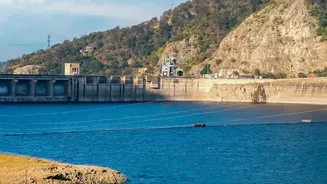
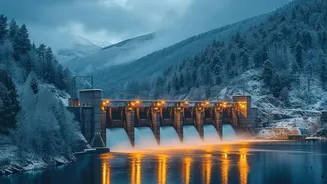
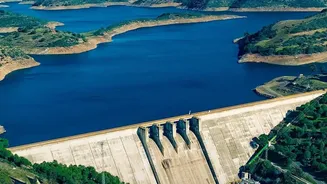
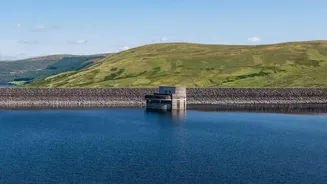
This is why, for the remainder of the season, all eyes are on the water levels in India's 166 major monitored reservoirs. Early monsoon rains are vital for kharif sowing and for recharging groundwater, but the late-season rainfall is what fills the large reservoirs that must supply water for drinking, irrigation, and power generation through the long dry season until the next monsoon. According to the latest data from the Central Water Commission (CWC), national reservoir storage, while improving, is still below the levels recorded at the same time last year and also below the ten-year average. The situation is particularly concerning in South India, where reservoir levels are significantly lower than normal. This makes every localised downpour in a reservoir's catchment area critically important.
A Tale of Two Indias
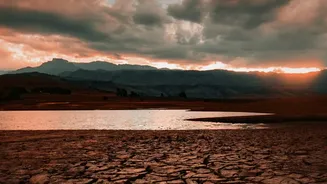
The current situation paints a picture of a divided India in terms of water availability. In the west, states like Gujarat and Maharashtra are seeing reservoir storage that is better than normal. In Mumbai, three key lakes are already overflowing. Conversely, key reservoirs in the south, such as Nagarjuna Sagar and Krishnaraja Sagar, have reported storage well below the 80% mark of normal levels. This disparity has direct consequences. For farmers in water-surplus regions, the late rains might support standing crops. For those in deficit regions, the below-normal forecast from the IMD is a major concern, increasing their dependence on stored reservoir water for the upcoming Rabi (winter) crop season. The health of the Rabi crop is heavily influenced by the moisture and stored water available at the end of the monsoon.
Implications for Farmers and Cities
For agricultural planning, the focus now shifts entirely to local water management. State governments and farmers in regions with low reservoir levels will need to make difficult decisions about water rationing and crop choices. A poor late monsoon could strain water resources, impacting not just agriculture but also urban water supply and hydropower generation through the winter and next summer. The IMD's forecast for below-normal rainfall in many areas, coupled with warmer-than-normal temperatures, increases the risk of water stress. This dynamic makes the weekly bulletins from the Central Water Commission, which track the storage in every major reservoir, arguably more important than the daily rainfall map for understanding the country's true water security situation heading into 2027.