

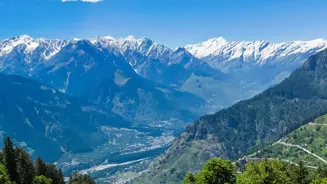
The Post-Monsoon Reality: Why Extra Caution Is Needed
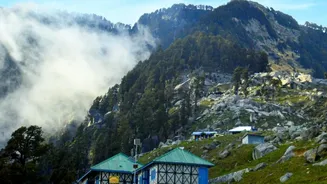
The monsoon might be over, but its effects linger. The soil is saturated, increasing the risk of landslides and rockfalls even on sunny days. Flash floods can still occur from cloudbursts in higher reaches, causing river levels to rise unexpectedly. Infrastructure,
including roads and bridges, may be damaged and undergoing repairs, leading to sudden closures and delays. In late September and October, expedition seasons have been cut short due to heavy, unseasonal snowfall at high altitudes. This period is a time of transition, and treating it with the same casualness as the stable pre-summer months can be a serious mistake. Respect for the mountains’ power is paramount.
Road Travel: Check Your Route, Then Check It Again
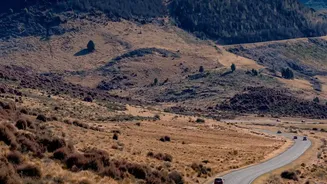
Before you even start your engine, your first task is research. Road conditions in the Himalayas can change in an hour. Always check for the latest updates from official sources. The National Highways Authority of India (NHAI), local police traffic pages, and state disaster management authorities (SDMA) are your most reliable sources for information on closures and vulnerable stretches. For instance, the Mandi-Kullu highway in Himachal and routes around Mussoorie in Uttarakhand are known to be susceptible to disruptions. Never trust a map shortcut over local advice from police or experienced drivers. Some regions, like Uttarakhand for the Char Dham Yatra, have implemented strict travel timings, often prohibiting vehicle movement after 10 PM. Adhering to these rules is non-negotiable.
Choosing Your Vehicle: Not All Cars Are Created Equal
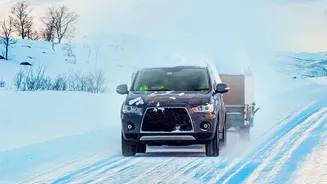
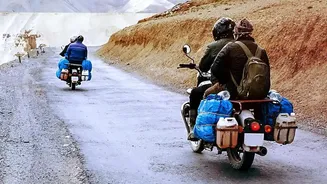
Your choice of transport is critical. While buses run on major arteries, they are also subject to the same delays and risks. For those driving themselves or hiring a taxi, the vehicle's condition is key. A car with good ground clearance, robust tyres, and well-maintained brakes is essential. On more remote routes like those in Kinnaur and Spiti, a 4x4 vehicle is often recommended. Avoid low-clearance hatchbacks on rough roads. Always hire experienced local drivers who understand the terrain and its risks. They know which slopes are unstable and how to navigate treacherous, narrow sections. At night, driving should be avoided entirely due to poor visibility and the increased danger of unseen hazards like rockfalls.
For Trekkers: Rules of the Trail
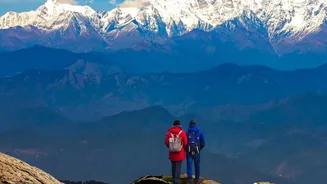
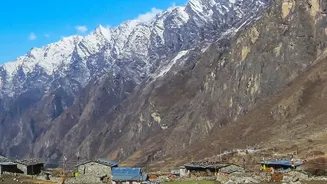
The post-monsoon season opens up many stunning trekking routes, but safety comes first. Always trek with a registered company and a licensed guide. They are trained to assess risks, understand weather patterns, and handle emergencies. Inform someone of your itinerary and expected return date. Never stray from the marked trail or take dangerous shortcuts to save time. Post-monsoon trails can be slippery and unstable. Proper, broken-in trekking shoes are a must. Altitude sickness is a serious risk above 2,500 metres; acclimatise properly by ascending slowly and taking rest days. Symptoms like headache, nausea, and dizziness should never be ignored. If symptoms appear, do not ascend further.
Essential Preparedness: What to Pack and Know
Your packing list should prepare you for the unexpected. Layering your clothing is key, as temperatures can drop significantly. A waterproof outer layer is non-negotiable. Carry a comprehensive first-aid kit, a powerful torch or headlamp, and a power bank, as electricity can be unreliable. Download offline maps, as mobile networks are patchy in remote areas. Keep emergency contact numbers handy, including local police (100), disaster management (1070/1077), and ambulance services (102/108). Finally, build buffer days into your itinerary. A landslide that takes hours to clear can cause you to miss a flight if your schedule is too tight.