





As the lines between home and office blur, creating a mental divide is more important than ever. One of the most effective tools for this is not a wall, but light. By strategically using different lighting, you can signal to your brain when it's time
to focus and when it's time to unwind.
The Science of Light and Mood
The secret to zoning with light lies in color temperature, measured in Kelvins (K). Cool, blue-toned light, similar to midday sun (4000K–6500K), boosts alertness and focus by suppressing melatonin, the hormone that makes you sleepy. This makes it ideal for tasks requiring concentration. Conversely, warm, yellow-toned light (2700K–3000K) mimics the glow of a sunset or candlelight, creating a cozy, relaxing atmosphere that helps your body prepare for rest. This simple biological response is the foundation for creating effective work and relaxation zones.
Designing Your 'Work Mode' Zone
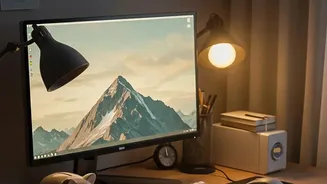
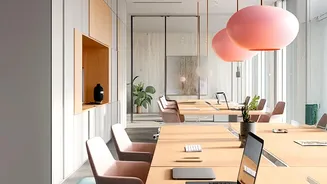
For your designated workspace, the goal is clarity and energy. Opt for cooler, brighter light to promote productivity. A common mistake is relying on a single, harsh overhead light, which can create glare and eye strain. Instead, use a layered approach. Start with good general (ambient) light, then add focused 'task lighting' directly over your work surface. A desk lamp with an adjustable neck and colour temperature is an excellent investment. For optimal results, position your desk so natural light comes from the side, not directly in front of or behind your screen, to minimize glare.
Crafting a 'Relax Mode' Haven
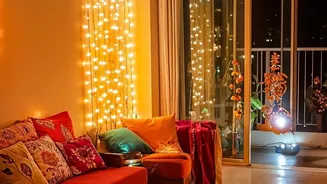
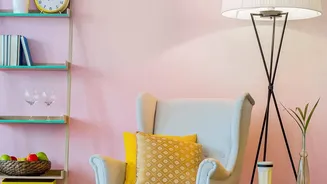
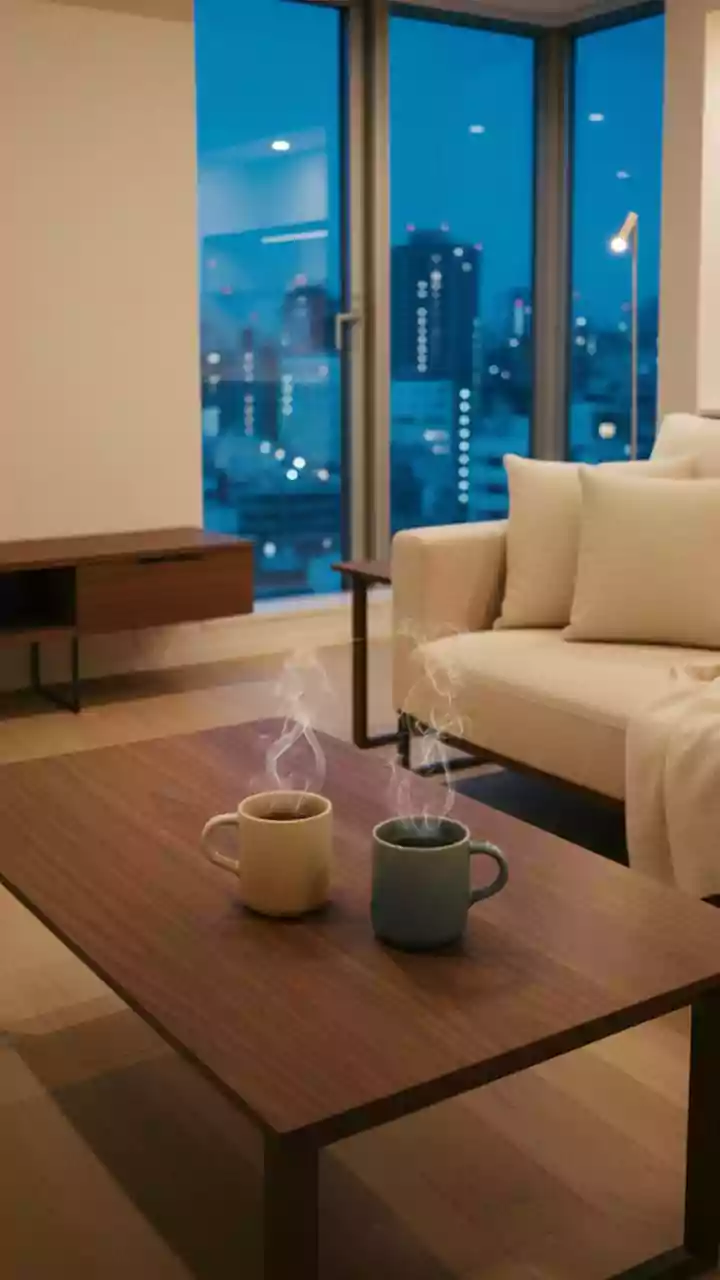
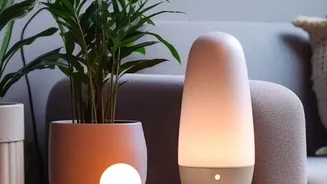
When the workday is over, it’s time to switch the environment to signal relaxation. This is where warm lighting excels. In living rooms and bedrooms, use bulbs in the 2700K to 3000K range to create an inviting, intimate feel. Rather than bright overhead fixtures, rely on multiple, softer sources at different heights. Think floor lamps, table lamps, and wall sconces. Putting these lights on dimmer switches gives you even greater control, allowing you to dial down the intensity as the evening progresses, further encouraging your body and mind to unwind.
The Power of Layered Lighting
A truly flexible space uses three main layers of light that can be controlled independently. Ambient light provides overall illumination, task light focuses on specific activities like working or reading, and accent light highlights features like artwork or bookshelves. In a multi-use room, you might have cool, bright task lighting at your desk, warm ambient light from a floor lamp, and soft accent lighting on a bookshelf. By controlling these layers separately, you can completely transform the room's function and feel with just a few switches.
Making the Switch with Smart Technology
The easiest way to manage these lighting zones is with smart technology. Smart bulbs and systems allow you to change both the brightness and color temperature from your phone or with a voice command. You can create preset 'scenes' like 'Work Focus', which turns on your cool desk light, and 'Evening Relax', which shifts to warm, dim lighting throughout the room. This removes the friction of manual adjustments and makes the transition between work and relaxation seamless, reinforcing the psychological boundary you've created. This is the essence of creating lighting zones—grouping fixtures to control them as a single unit based on activity.