






The Rise of Natural Monsoon Cleaning
As the first rains arrive, there's a collective desire to throw open the windows and let the fresh, earthy smell of the petrichor fill our homes. This sentiment is at the heart of the 'natural monsoon cleaning' trend. It involves simple, low-chemical
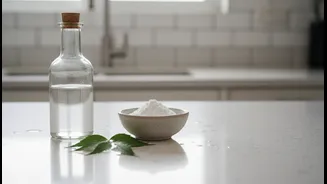
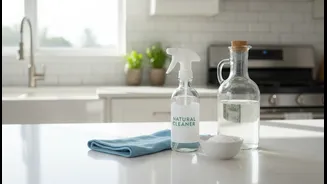
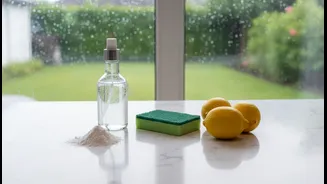
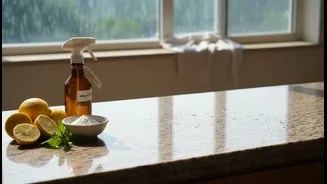
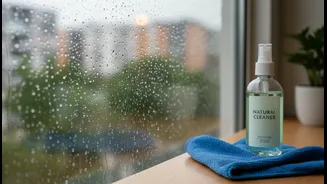
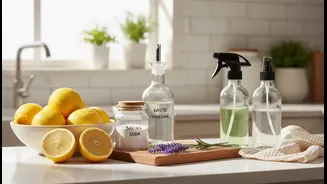
methods like airing out rooms to improve circulation, using collected rainwater for tasks like mopping floors or washing clothes, and employing kitchen staples like vinegar and baking soda for scrubbing surfaces. The appeal is undeniable. It promises a home that feels cleaner without the harsh smell of chemical agents, reduces the presence of Volatile Organic Compounds (VOCs) that can be harmful in poorly ventilated, humid homes, and offers a more sustainable, budget-friendly routine. Letting sunlight in whenever possible also acts as a natural enemy to some bacteria and fungi.
Reality Check: What Fresh Air and Rainwater Can't Do
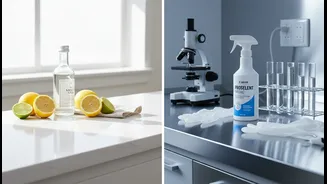
While opening windows and using natural ingredients can help reduce dust, allergens, and musty odours, it's crucial to understand their limitations. Cleaning is not the same as disinfecting. Natural methods primarily remove dirt and grime from surfaces. Disinfection, on the other hand, is the process of killing pathogenic microorganisms like bacteria and viruses. The monsoon season, with its high humidity and moisture, creates an ideal breeding ground for these germs. Stagnant water, damp clothes, and wet surfaces can harbour a host of bacteria and viruses responsible for common monsoon illnesses like diarrhoea, respiratory infections, dengue, and malaria.
The Germs That Demand Disinfection
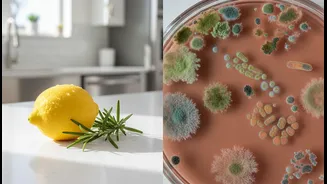
Your home can be a hotspot for several pathogens that natural cleaning alone won't eliminate. Water-borne bacteria like E. coli and Salmonella can spread through contaminated food and surfaces, especially in the kitchen. Viruses that cause the common cold and flu are easily transmitted within households, and high humidity can help them thrive. Furthermore, the constant dampness encourages the growth of mould and mildew, which can trigger allergies and respiratory issues. These are not just matters of cleanliness but of health, requiring targeted action. This is particularly important because the monsoon season often sees a spike in infectious diseases.
A Balanced Cleaning Strategy for a Healthy Monsoon
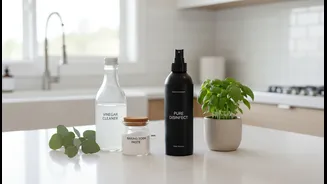
The solution isn't to abandon natural methods but to integrate them into a smarter, hybrid cleaning schedule. Reserve natural cleaning for general upkeep. Use vinegar and water solutions for glass and some countertops, and air out your living spaces and wardrobes regularly. However, be strategic with disinfectants. Focus on high-contact, high-germ areas. This includes: The Kitchen: Regularly disinfect countertops, sinks, and cutting boards where raw food is handled. Bathrooms: Toilets, faucets, and shower curtains are breeding grounds for germs and mould and need frequent disinfection. High-Traffic Surfaces: Doorknobs, light switches, and remote controls should be wiped down with a disinfectant, especially if someone in the house is unwell. Floors: Daily mopping with a disinfectant floor cleaner is crucial, particularly near entrances where mud and outside germs are brought in.
Choosing and Using Disinfectants Wisely
When you do need to disinfect, you don't necessarily have to resort to the harshest chemicals. Some natural ingredients like certain essential oils (tea tree), vinegar, and hydrogen peroxide have proven disinfectant properties against some common bacteria. However, for hospital-grade disinfection against resilient viruses and bacteria, chemical disinfectants are more reliable. Look for products designed to kill germs, not just clean surfaces. Always read the label and follow the instructions for use, ensuring proper ventilation by opening windows to avoid inhaling strong fumes. For tough stains or mould patches, a scrub with a stronger cleaning agent might be necessary.