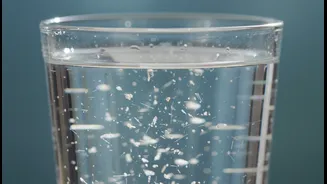

What Are Microplastics?
Microplastics are tiny plastic fragments, typically smaller than five millimeters, that result from the breakdown of larger plastic items like bottles, bags, and containers. They are now found nearly everywhere on Earth, from the deepest oceans to the air
we breathe and, alarmingly, in our food and water. These particles can also carry chemical additives or absorb environmental toxins, leading to concerns about their health effects. While the full impact on human health is still being researched, studies have suggested potential links to inflammation, endocrine disruption, and other issues. Scientists estimate that an adult might ingest tens of thousands of these particles annually.
Rethink Your Drinking Water
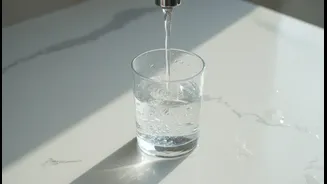
One of the most significant sources of microplastic ingestion is bottled water. Studies have consistently found that bottled water can contain many times more microplastic particles than tap water, sometimes by a factor of 100 or more. The particles often come from the bottle and cap itself, especially through the simple act of opening and closing it. If you drink bottled water that has been sitting in a hot car, the heat can accelerate the leaching of plastics into the water. The simplest switch is to drink filtered tap water from a glass or stainless steel bottle. Many carbon block filters are effective at removing microplastics.
Upgrade Your Food Storage
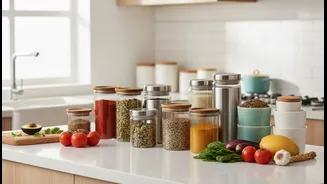
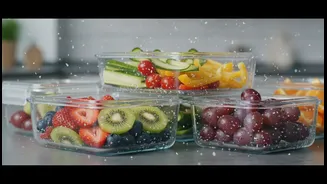
Plastic containers are convenient, but they can be a major source of microplastics, especially when exposed to heat. Never microwave food in plastic containers, even if they are labeled "microwave-safe." The heat can cause millions of microplastics and billions of even smaller nanoplastics to be released directly into your meal. Storing leftovers in the fridge or freezer in plastic can also lead to the release of particles over time. A better choice is to switch to glass, ceramic, or stainless steel containers for both storing and reheating food. When it comes to wrapping food, consider alternatives like beeswax wrap or aluminum foil instead of plastic cling wrap, especially ensuring the wrap doesn't touch the food's surface during microwaving.
Examine Your Kitchen Tools
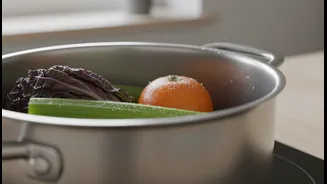
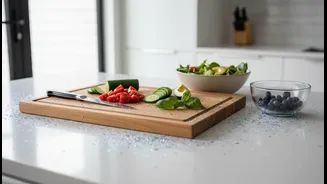
Your cooking equipment itself can be another hidden source. Plastic cutting boards, for instance, can shed a significant amount of microplastics directly into the food you are preparing. A 2023 study found that chopping on a plastic board could contribute tens of grams of microplastics to a person's diet each year. Opting for a wooden or bamboo cutting board is a safer alternative. Similarly, avoid using plastic utensils like spatulas and spoons, particularly when cooking with heat. Switch to tools made from wood, bamboo, or stainless steel. Non-stick pans, especially when scratched, can also release thousands of microplastic particles. Cookware made of cast iron, stainless steel, or uncoated ceramic is a more durable and safer choice.
Be Mindful of Certain Foods
While microplastics contaminate many parts of the food supply, some items carry a higher load than others. Shellfish like mussels, oysters, and clams are filter feeders, meaning they absorb microplastics from the water they inhabit. As a result, they can have higher concentrations of these particles. While it’s hard to eliminate exposure from all foods, being mindful of high-risk items can help. Additionally, a lot of microplastic contamination in our food can come from simple dust fallout from the air, so keeping surfaces clean and washing produce can be a helpful step.