




Plan Your Menu Mindfully
The first step to reducing waste happens before you even start cooking. Plan your festive menu with care, considering the number of guests and their preferences. This avoids over-preparation of dishes that may not be popular. Make a detailed shopping
list based on your menu and stick to it. This prevents impulse buys of perishable items that might go unused. Thinking about quantities in advance is one of the most effective ways to ensure that the food you prepare is eaten and enjoyed, not discarded.
Serve Smarter, Not Larger
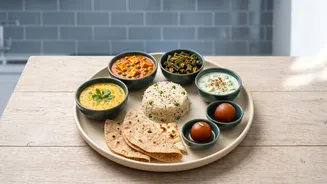
Indian hospitality often means loading a guest's plate, but this can lead to significant waste. Adopt a practice of serving smaller portions initially. This allows guests to sample a variety of dishes without feeling overwhelmed and they can always take seconds of their favourites. This simple shift in serving style respects your guests' appetites and drastically cuts down on the amount of uneaten food left on plates, which is one of the biggest sources of household food wastage.
Embrace Creative Leftovers
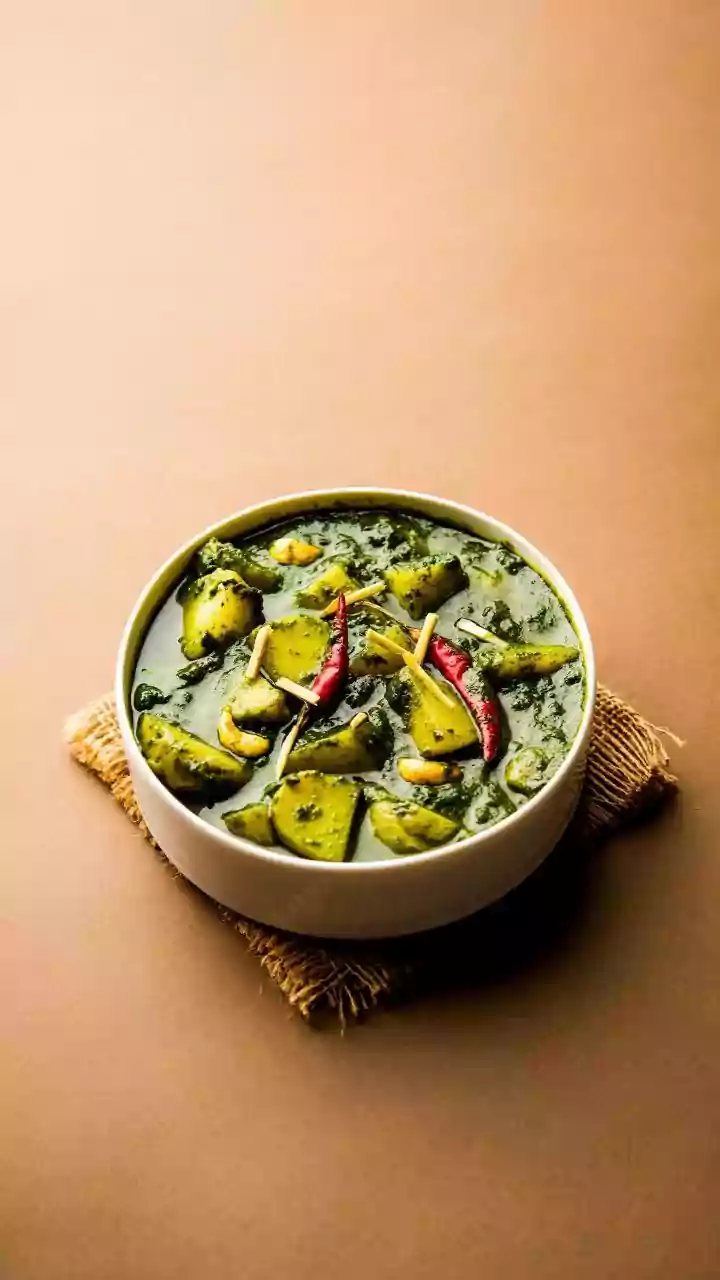
Leftovers aren't a sign of failure; they're an opportunity for creativity. Yesterday's dry curries and vegetables can be transformed into delicious fillings for frankie rolls or stuffed parathas. Excess mithai like besan or boondi ladoos can be crumbled and used to make unique parathas, milkshakes, or even a quick kheer. Looking at leftovers as ingredients for the next meal shifts the perspective from waste to resourcefulness, a practice that was once common in traditional Indian kitchens.
Master Smart Storage
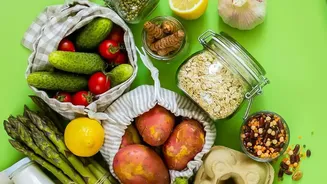
How you store food is just as important as how you cook it. Use airtight containers for grains and pulses to keep them safe from pests. Store leftover cooked food in the refrigerator promptly to extend its life. For fresh produce, simple tricks can make a big difference. For instance, wrapping green leafy vegetables in cloth bags or paper towels can keep them fresh for longer. Adopting a 'First In, First Out' (FIFO) system—using older items before new ones—ensures nothing gets forgotten at the back of the fridge.
Share the Abundance
The spirit of festivals is about sharing joy. If you find yourself with a significant amount of untouched, excess food, consider sharing it. Distribute it among your community helpers, neighbours, or friends. Many local charities and NGOs actively collect surplus food from households and events during festive periods to distribute to those in need. This not only prevents waste but also embodies the true festive spirit of compassion and community.
Compost What You Can't Use
Even with the best planning, some food waste is unavoidable, such as vegetable peels, fruit cores, and eggshells. Instead of sending this organic matter to a landfill where it produces harmful methane gas, consider starting a compost bin. Composting is a simple process that turns your kitchen scraps into nutrient-rich fertiliser for your plants. It's an eco-friendly way to ensure that every part of the food you buy is put to good use, creating a circular system in your own home.