






The All-Rounder: Cotton
Cotton is the undisputed champion of everyday wear in India, and for good reason. Fine, lightweight cotton is exceptionally breathable, allowing air to circulate and preventing that sticky, clammy feeling common in high humidity. It absorbs a small amount
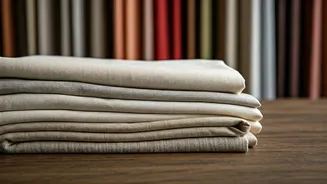
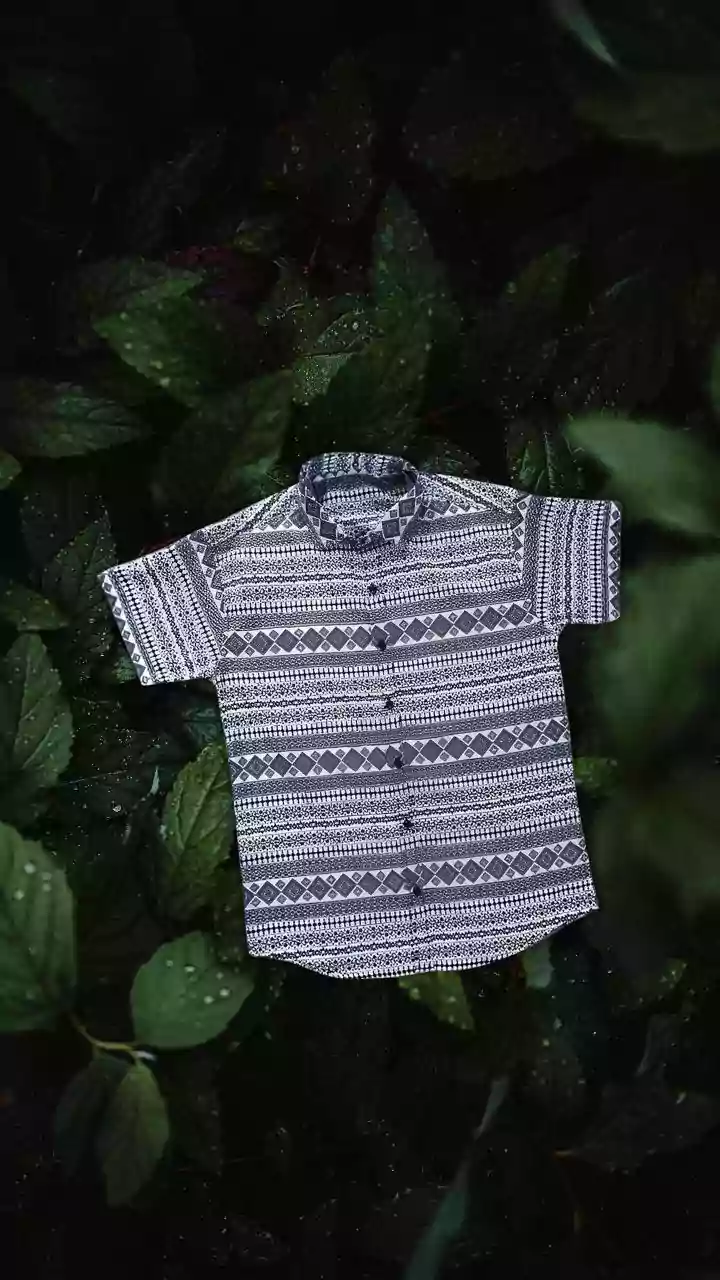
of moisture without feeling heavy and dries relatively quickly, making it a reliable choice for overcast days. Look for mulmul, voile, or fine handloom cotton for kurtas, shirts, and dresses. These varieties are soft, airy, and perfect for navigating the dampness of the season. However, it's best to avoid heavy cotton like denim, which can take a very long time to dry and feel oppressive when the air is thick with moisture.
The Smooth Operator: Rayon
Often described as feeling silky and cool against the skin, rayon is an excellent choice for monsoon weather. Made from natural cellulose, it's a semi-synthetic fabric that boasts impressive moisture management. It absorbs sweat and allows it to evaporate faster than cotton, which helps reduce that clingy feeling in damp conditions. Its fluid drape makes it ideal for flowy dresses, blouses, and kurtis that won't stick to your body. Because it dries quickly, it's a practical option for days with unpredictable showers.
The Lightweight Lookalike: Chambray
If you love the look of denim but dread its weight and slow drying time, chambray is your perfect monsoon alternative. Though it looks similar, chambray is a lightweight, plain-weave cotton fabric that is far more breathable. This structure allows air to move freely, keeping you cool even when it's humid. It offers the versatility of denim without the bulk, making it a stylish choice for shirts, dresses, and lightweight trousers. While it's made of cotton, its finer, tighter weave helps it perform better in damp weather than its heavier cousin.
Smart Synthetics: Blends, Georgette, and Crepe
While 100% pure polyester can feel suffocating by trapping body heat, certain synthetic fabrics and blends are engineered for the rain. Polyester and nylon are hydrophobic, meaning they repel water and dry extremely quickly—often in just a few hours. For daily commutes where getting splashed is a certainty, a polyester-blend kurta can be more practical than a pure cotton one. Lightweight fabrics like georgette and crepe are also fantastic choices. They don't cling when damp, hold their shape well, and dry in a flash, making them ideal for sarees, dresses, and tunics during the rainy season.
Fabrics to Reconsider This Season
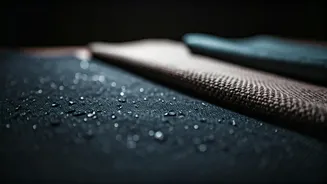
Some fabrics are simply not suited for the high humidity and dampness of the monsoon. Heavy denim is a primary one to avoid; it gets heavy when wet and can take days to fully dry. Pure, heavy silk is another one to save for drier days, as it can develop permanent water spots and takes a long time to dry. Similarly, heavily embroidered or embellished garments can be problematic, as the dense threadwork holds moisture against the skin long after the base fabric is dry. Other materials like velvet and suede should also be stored away, as they are easily damaged by water and are far too warm for the humid climate.