



The End of an Era?
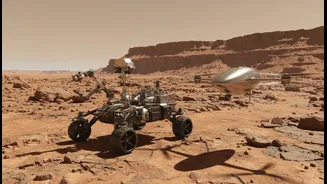
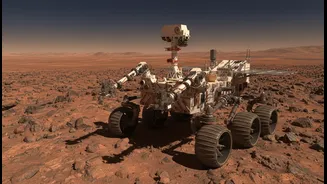
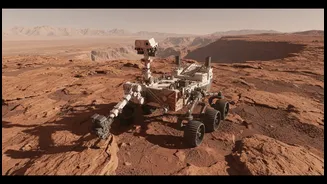
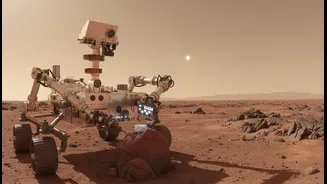
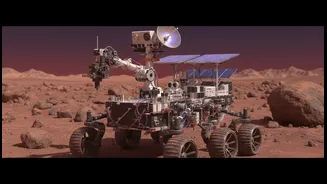
For the past thirty years, NASA's approach to Mars could be summarized as “go big or go home.” From the microwave-sized Sojourner in 1997 to the SUV-sized Curiosity and Perseverance rovers, each mission has been larger, more sophisticated, and more expensive
than the last. These flagship missions have been phenomenally successful, rewriting our understanding of the Red Planet and searching for signs of ancient life. But this model comes with immense risk. Each multi-billion-dollar rover is a single point of failure, carrying the weight of years of scientific and engineering effort on its robotic shoulders. The recent budgetary and schedule challenges facing the ambitious Mars Sample Return (MSR) mission brought this reality into sharp focus. With a projected cost soaring towards $11 billion, NASA was forced to rethink its entire strategy.
A Pivot to Smarter, Smaller Systems
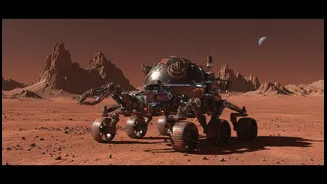
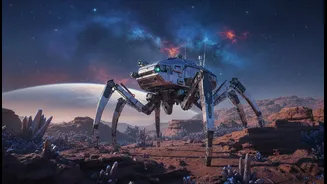
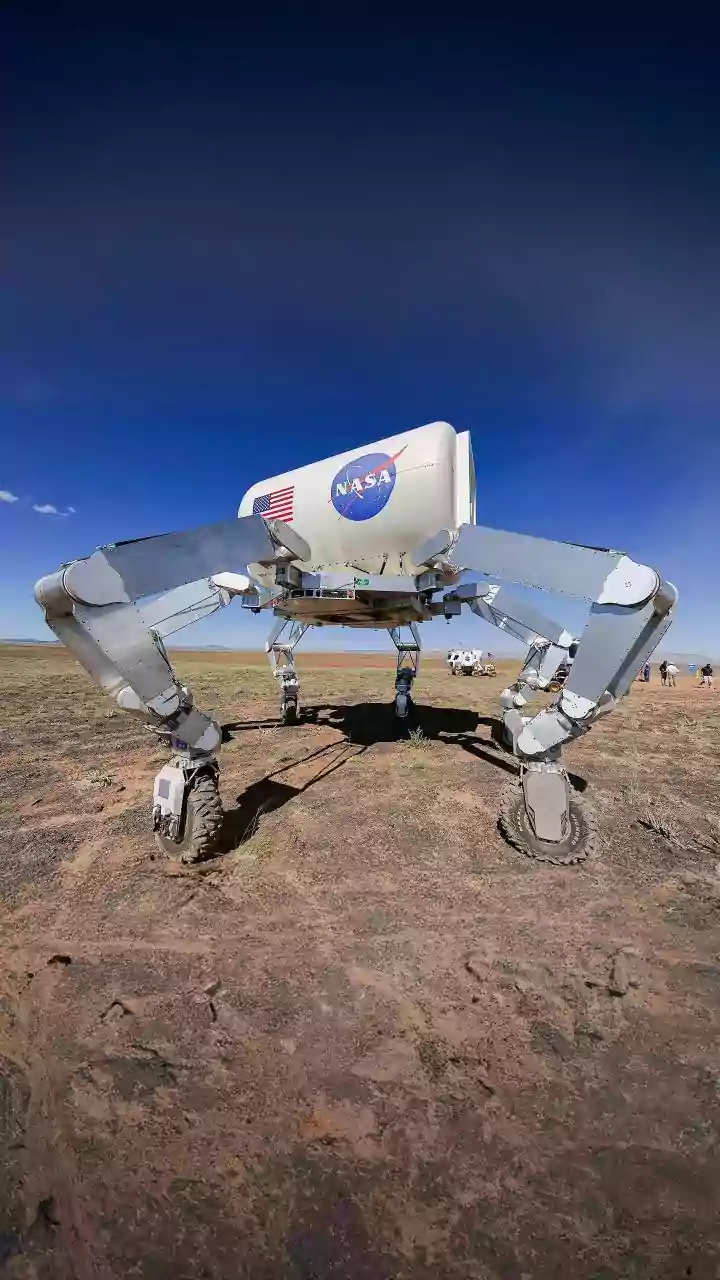
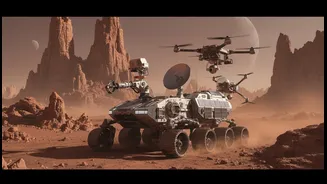
In response to budget constraints and the complexity of the original MSR plan, NASA is now championing a new philosophy. Instead of relying on a single, massive lander, the agency is exploring concepts that involve smaller, more distributed systems. This shift is not just about cutting costs; it's about building a more resilient and flexible exploration program. The new vision favors sending multiple, less expensive robots that can work together. The loss of one small unit wouldn't jeopardize the entire mission, a stark contrast to the high-stakes gamble of a single, monolithic spacecraft. Just this month, NASA announced the STRIDE initiative, selecting seven companies to develop innovative robotic mobility systems to travel greater distances and access challenging Martian terrain, a clear investment in this new direction.
What Makes a Robot 'Smarter'?
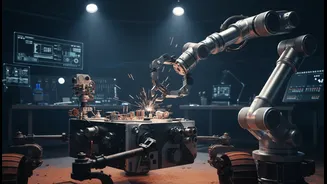
The key to this new strategy lies in advancements in artificial intelligence and autonomous systems. A “smarter” robot on Mars is one that can think for itself. Instead of waiting for commands from human operators on Earth, these robots can make their own decisions in near real-time. This includes navigating treacherous landscapes, identifying scientifically interesting targets, and even coordinating tasks with other robots. Technologies like the recently demonstrated Mars Global Localization allow a rover like Perseverance to pinpoint its location without human input, effectively giving it an on-planet GPS. Furthermore, projects like CADRE (Cooperative Autonomous Distributed Robotic Exploration) are developing networks of shoebox-sized robots designed to explore surfaces together, behaving like an autonomous robotic team. This level of autonomy is a game-changer, allowing robots to cover more ground and gather more data, far more efficiently than their predecessors.
The Rise of the Robot Swarm
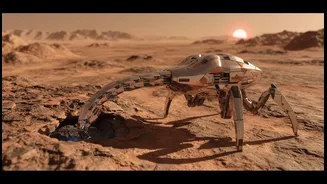
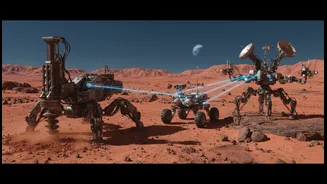
The ultimate expression of this new philosophy is the concept of robotic swarms. Inspired by colonies of ants, engineers are developing algorithms that allow groups of simple robots to work together to achieve complex goals, such as collecting resources or mapping an area. A swarm of smaller, faster robots could explore dozens of miles in a single day, compared to the 11 miles Curiosity traveled in its first five years. This approach, known as Mobile Autonomous Robotic Swarms (MARS), uses a decentralized architecture where each robot individually determines its best course of action while contributing to the group's objective. This makes the entire system incredibly robust; even if several units fail, the rest of the swarm can adapt and complete the mission. It’s a vision where exploration is conducted not by a single, heroic explorer, but by a collaborative, intelligent collective.
The Future of Mars Exploration
This strategic pivot signals a new and exciting era in our quest to understand Mars. While budget cuts have forced a difficult re-evaluation, they have also spurred innovation. By investing in smarter, more autonomous, and collaborative robotics, NASA is not just trying to save money. The agency is creating a more sustainable and effective model for planetary exploration. This approach will not only accelerate the pace of scientific discovery on Mars but will also lay the essential groundwork for an eventual human presence. Before astronauts ever set foot on the Red Planet, it will be fleets of intelligent robots that scout the terrain, identify resources, and build the first infrastructure, transforming how we reach out to worlds beyond our own.