






Spiny Gourd (Kantola/Kakora)
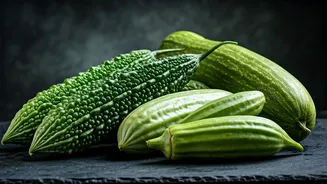
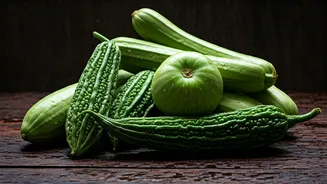
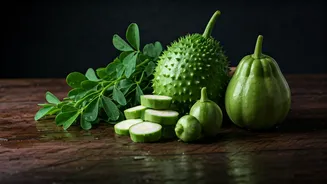
Often called the 'teasel gourd', this spiky green vegetable is a monsoon powerhouse. Kantola is low in calories but packed with protein and fibre, making it a fantastic addition to any meal. What makes it especially great for this season is its high content
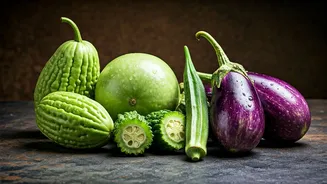
of antioxidants and flavonoids, which help bolster your immunity when coughs and colds are common. It's also known to have anti-allergic properties, providing some relief from seasonal sniffles. Despite its intimidating appearance, the spiny gourd has a mild, slightly bitter taste that works beautifully in simple stir-fries. Just slice it thin, sauté with mustard seeds, turmeric, and a pinch of chilli, and you have a quick, healthy side dish that’s full of flavour.
Colocasia Roots (Arbi)
While many are familiar with arbi, it truly deserves more praise during the monsoon. These starchy roots are an excellent source of dietary fibre, which aids digestion—a common concern during this season. Rich in resistant starch, arbi helps manage blood sugar levels and promotes gut health. It’s also loaded with essential minerals like potassium, magnesium, and iron, along with vitamins C and E. The key to enjoying arbi is proper preparation to avoid the slight itchiness it can cause. Boiling it with a bit of salt or tamarind before peeling solves this easily. From there, you can make a tangy arbi curry, a crispy pan-fried snack, or add it to mixed vegetable preparations for a creamy texture.
Pointed Gourd (Parwal)
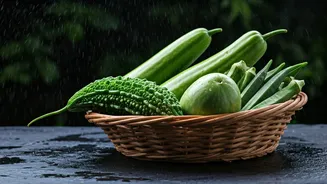
Parwal is a humble vine vegetable that is incredibly easy to digest, making it a go-to for soothing an upset stomach. It’s packed with water and fibre, helping to keep you hydrated and your digestive system running smoothly. Rich in vitamins A and C, it contributes to better skin health and a stronger immune system. Traditionally, Ayurveda recommends parwal for purifying the blood and keeping flu-like symptoms at bay. Many people find it bland, but its versatility is its strength. You can stuff it with a spiced potato or paneer mixture, cook it in a simple tomato-based gravy (parwal ki sabzi), or slice it into thin rounds and fry them until crisp for a delightful crunch.
Bottle Gourd (Lauki/Doodhi)
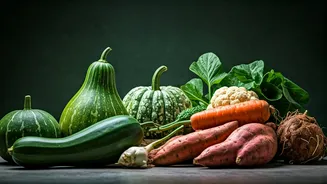
Lauki might be the most unfairly maligned vegetable in the Indian kitchen, often dismissed as boring or bland. However, its high water content (over 90%) makes it incredibly hydrating and cooling for the body, which is beneficial in the humid monsoon weather. It's extremely low in calories and easy on the stomach. Lauki is a good source of vitamin C, B vitamins, and iron. Instead of the usual sabzi, try grating it to make delicious koftas, blending it into a savoury soup, or even making a sweet, cardamom-infused lauki ka halwa. Its subtle flavour allows it to absorb the spices beautifully, making it a surprisingly versatile ingredient for both savoury and sweet dishes.
Amaranth Leaves (Chaulai)
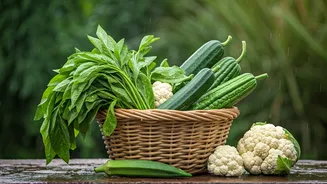
While many leafy greens are best avoided during the monsoon due to mud and contaminants, red and green amaranth leaves (chaulai) thrive in this season and are a nutritional goldmine. They are exceptionally rich in iron, making them great for preventing anaemia. They also provide a significant amount of vitamin A, vitamin C, calcium, and protein. Regular consumption can help boost immunity and improve eye health. To prepare chaulai safely, always wash the leaves thoroughly in a saltwater or vinegar-water solution. A simple stir-fry with garlic, dried red chillies, and a sprinkle of salt is the best way to enjoy its earthy flavour. You can also mix it with dal for a hearty and wholesome meal.
Ridge Gourd (Turai/Tori)
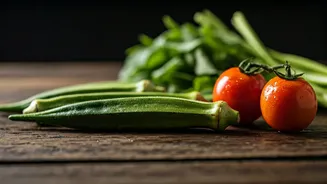
Another gourd that doesn't always get the love it deserves, turai is a fantastic vegetable for the rainy season. Its high fibre and water content make it excellent for digestive health, helping to prevent constipation. It has very few calories and is a good source of vitamin C and zinc, which are crucial for a strong immune response. In traditional medicine, it's valued for its blood-purifying properties. The spongy texture of ridge gourd allows it to soak up spices and flavours from any curry it’s added to. For a simple and delicious meal, cook it with moong dal to create a light, comforting curry. Alternatively, a simple stir-fry with poppy seeds (posto) is a Bengali delicacy that highlights the gourd's subtle sweetness.