





What Exactly Is Rucking?
At its core, rucking is simple: walking with weight on your back. The term comes from the military, where soldiers carry heavy packs (or ‘rucksacks’) over long distances. But you don’t need to be a soldier to reap its benefits. Think of it as cardio 2.0.
It bridges the gap between walking and running, giving you a heart-pumping workout without the high impact on your joints. It’s a foundational human movement, upgraded for modern fitness goals. By adding weight, you transform a simple walk into a full-body resistance exercise that builds strength and endurance simultaneously.
Treadmill vs. Ruck: Why Make the Switch?
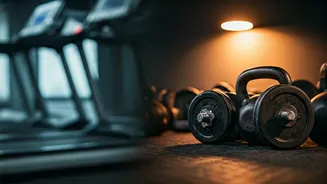
The treadmill offers a controlled, convenient cardio session. It’s great for rainy days or when you’re short on time. However, rucking offers a different, arguably more holistic, set of advantages. First, you get outdoors. Exposure to sunlight and fresh air has proven mental health benefits, reducing stress and improving mood—something a gym can't replicate. Second, rucking is a full-body workout. The weight engages your back, shoulders, and core to maintain posture, while your legs, glutes, and hips do the heavy lifting. A treadmill primarily works your lower body. Finally, rucking builds functional strength. Carrying weight is a practical skill that translates to everyday life, from carrying groceries to picking up your kids.
The Incredible Benefits of Rucking
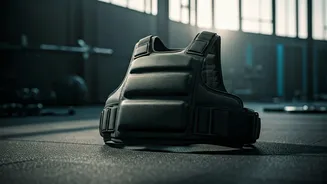
Adding a weighted backpack dramatically increases the calorie burn of a normal walk. Studies suggest you can burn up to three times more calories rucking than walking at the same pace. It’s also an excellent low-impact alternative to running, making it ideal for those with sensitive knees or joints. The constant load forces you to maintain an upright posture, strengthening the muscles around your spine and shoulders, which can help counteract the 'slouch' from long hours at a desk. It’s an active posture corrector. This combination of strength training and cardiovascular exercise makes it one of the most efficient workouts you can do.
Your Rucking Starter Kit (No Fancy Gear Needed)
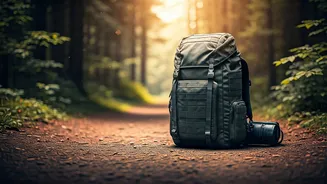
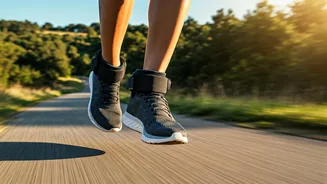
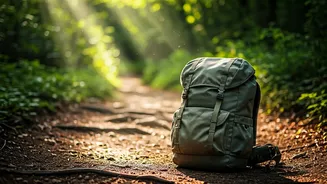
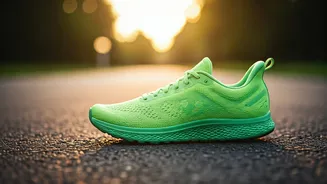
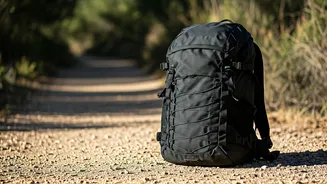
The beauty of rucking is its simplicity. You likely already own everything you need. 1. **A Backpack:** Any sturdy backpack will do. A school bag or a simple daypack works perfectly for beginners. Just ensure the shoulder straps are comfortable. 2. **Weight:** You don’t need to buy special weight plates. Wrap a few heavy books in a towel to prevent them from shifting. A couple of large water bottles also work well. You can even use bags of rice or dal. The key is to secure the weight so it doesn't move around. 3. **Footwear:** A comfortable pair of walking shoes or trainers is all you need. Ensure they have decent cushioning to support your feet.
How to Ruck Safely: Form Is Everything
To prevent injury and get the most out of your ruck, focus on your form. Keep the weight high and close to your spine, between your shoulder blades. Cinch your backpack straps tight so the pack doesn't sag or bounce. Stand tall, engage your core, and keep your shoulders back—don’t hunch forward to compensate for the weight. Take shorter, quicker steps than you would on a normal walk. This reduces the braking force on your joints and keeps your momentum moving forward. Most importantly, listen to your body. If you feel sharp pain, stop and rest.
Your First Ruck: A Weekend Plan
Ready to try it? Here’s a simple plan for your first ruck this weekend. * **Start Light:** A good rule of thumb is to start with 10% of your body weight. If you weigh 70 kg, start with 7 kg in your pack. It will feel surprisingly light at first, which is the point. You want to build up gradually. * **Go for Distance, Not Speed:** Aim for a 20-30 minute ruck. Pick a familiar route in a local park, a quiet neighbourhood, or a nearby trail. Focus on maintaining good posture and a steady pace. You should be able to hold a conversation while rucking. * **Cool Down:** After your ruck, take a few minutes to stretch your hips, hamstrings, and shoulders. Your back and shoulders might feel a little sore the next day, which is a sign you’ve worked new muscles.