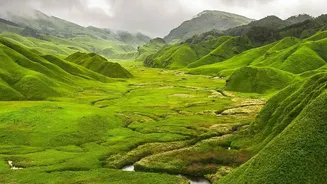


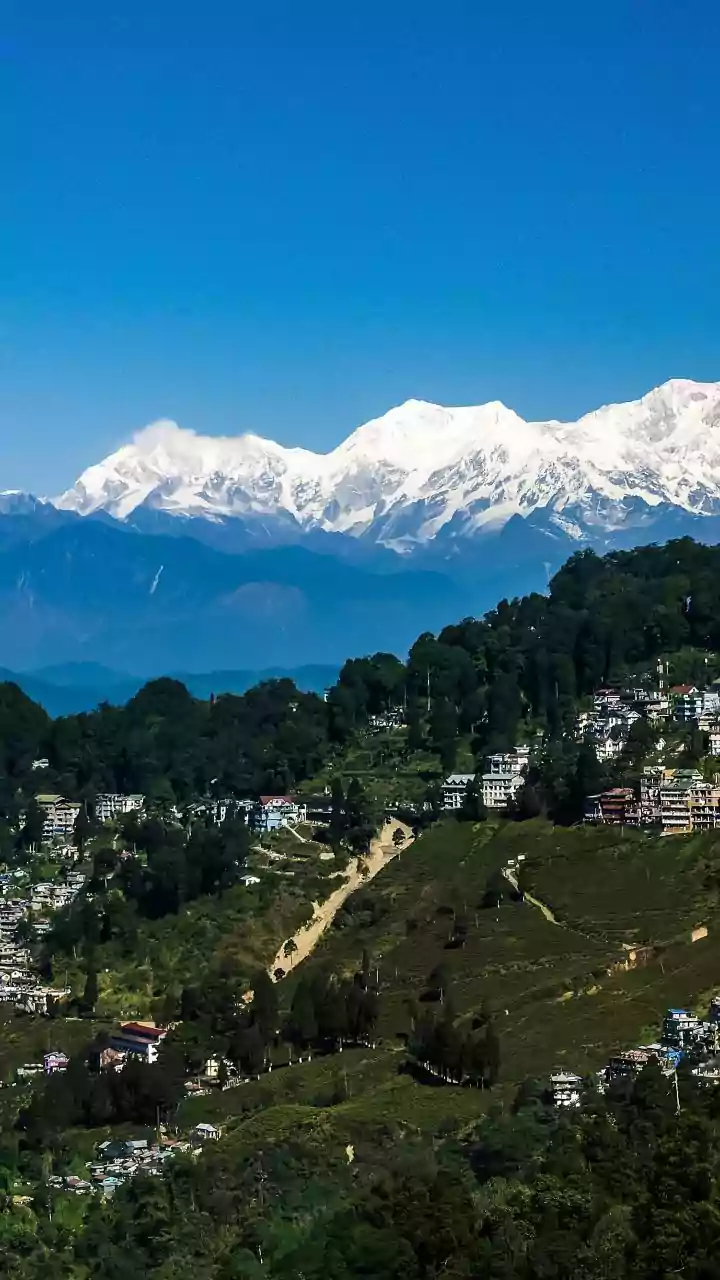

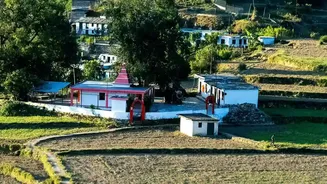

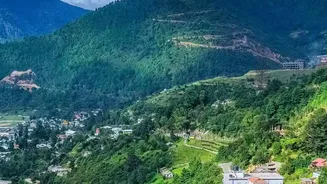
Sikkim's reputation as India's green-hearted state is well-earned. Beyond its snow-capped peaks and vibrant monasteries lie rolling hills of tea and dense bamboo forests, forming a lush tapestry that defines its unique natural charm.
A Legacy of Green Conservation
Sikkim is more than
just a picturesque Himalayan state; it's a pioneer in environmental stewardship. With nearly half its area covered by forests, it has long championed policies that prioritize nature. The state became India's first to be declared fully organic, a commitment that extends from its farms to its sprawling wild landscapes. Initiatives like banning single-use plastics and promoting community-based ecotourism are not just policies but a way of life here. This deep-rooted respect for the environment has created a sanctuary where unique ecosystems, like its famed tea gardens and bamboo groves, can flourish, attracting travellers who seek authentic and sustainable experiences.
The Solitary Splendour of Temi Tea Garden
When you picture Indian tea, regions like Assam or Darjeeling often come to mind. Yet, Sikkim is home to a singular treasure: the Temi Tea Garden. Established in 1969, it is the state's only tea estate, sprawling across more than 400 acres on the gentle slopes of the Tendong Hill. Initially founded by Sikkim's last king to provide employment for Tibetan refugees, the garden has since carved out a global reputation for its exclusive, high-quality organic tea. A visit to Temi is a multi-sensory experience. The estate's manicured bushes create a stunning emerald carpet against the backdrop of the Himalayas. In late autumn, the drive to the factory is famously lined with blooming cherry blossom trees, creating a magical pink canopy. Visitors can tour the factory to witness the tea-making process and, of course, sample the delicate, floral brew that is often compared favourably to the finest Darjeeling teas.
The Whispering Bamboo Forests
While tea provides a cultivated beauty, Sikkim's bamboo groves offer a wilder, more primal form of greenery. Often called 'green gold', bamboo is integral to the state's ecology, economy, and culture. With over 20 different species, these fast-growing plants are crucial for preventing soil erosion on the steep Himalayan slopes and provide a vital habitat for wildlife, including the elusive red panda. For centuries, local communities, particularly the Lepcha, have revered bamboo, using it for everything from construction and handicrafts to a staple food source in the form of edible shoots. Villages like Kewzing in South Sikkim have developed community-based tourism around their natural resources, allowing visitors to experience life amidst these forests. Here, travellers can stay in homestays, learn about traditional bamboo crafts, and embark on guided walks through the dense, whispering groves, gaining a deeper appreciation for this versatile plant.
A Blueprint for Sustainable Beauty
The tea gardens and bamboo groves of Sikkim are more than just scenic spots; they represent a successful model of sustainable development. By integrating these natural assets into its tourism strategy, Sikkim ensures that economic benefits flow directly to local communities. This approach empowers residents and provides them with a vested interest in conservation. For travellers, it offers a more meaningful connection to the place they are visiting, transforming a simple holiday into an immersive cultural and ecological education. The state’s focus on ecotourism, which promotes homestays and authentic local experiences, ensures that its natural and cultural heritage is preserved for future generations to enjoy.