


The First 48 Hours: Your Delicate Produce Hit List
The key to conquering your produce box is to triage. As soon as you unpack, identify the most delicate items that need to be used within a day or two. These are the vegetables with a high water content or tender leaves that wilt and spoil quickly. Think
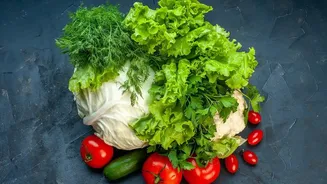
leafy greens like spinach, rocket, and lettuce, as well as fresh herbs, asparagus, mushrooms, and broccoli. Berries also fall into this category. These items are your top priority. Don't even think about that hardy pumpkin or cabbage until you have a plan for these fleeting beauties. Proper storage is your first line of defense. For leafy greens, wash and dry them thoroughly, then store them in an airtight container lined with a paper towel to absorb excess moisture. Mushrooms are best kept in a paper bag, which allows them to breathe and prevents them from becoming slimy. By separating and properly storing these items, you're already extending their life.
Plan Your First Meals Around the Most Perishable
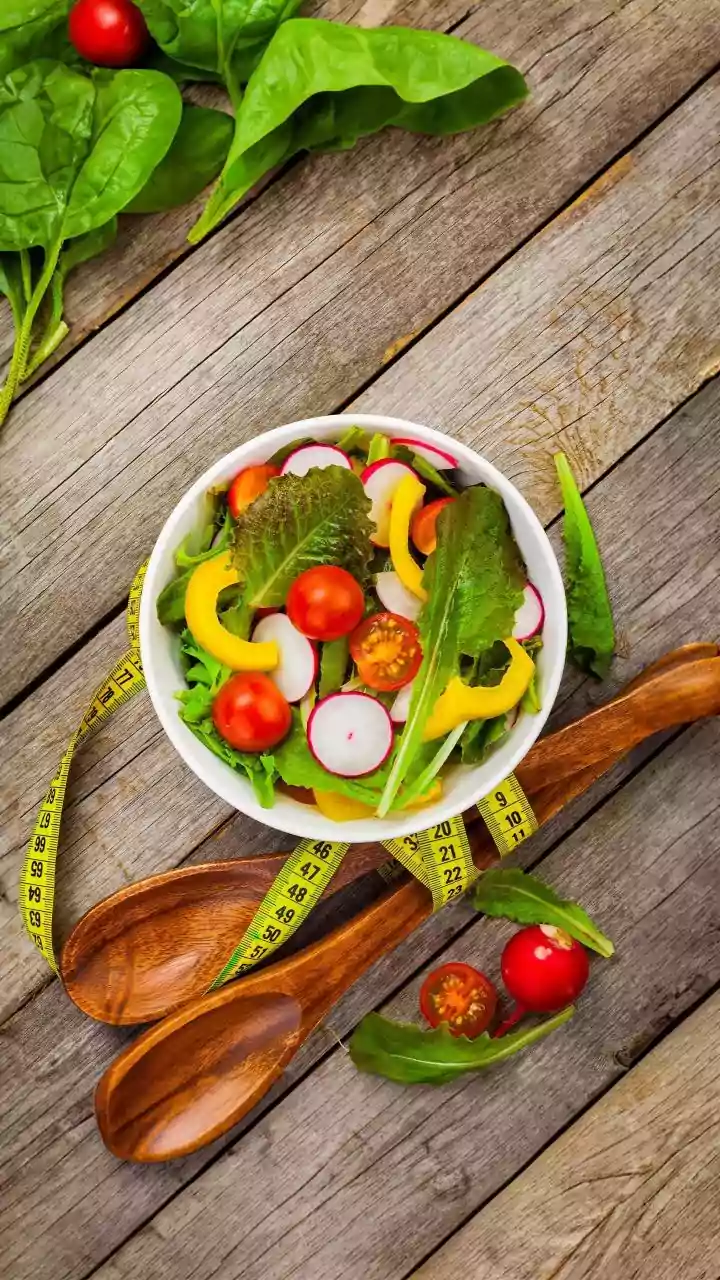
Once you've identified your delicate vegetables, the next step is to plan your first few meals around them. This front-loads your week with the freshest ingredients and ensures nothing gets pushed to the back of the fridge to be forgotten. A big, vibrant salad packed with fresh lettuce, cucumbers, and tomatoes is a perfect first-day meal. Use tender herbs to make a flavourful pesto or dressing. Sliced mushrooms and fresh spinach can be sautéed with eggs for a quick breakfast or folded into an omelette. Asparagus and broccoli are excellent when lightly steamed or roasted as a side dish for your evening meal. The goal is to be flexible and have a few go-to recipes that can adapt to whatever delicate produce you have on hand, like stir-fries, frittatas, or soups.
Don’t Forget the “Open Packs” Rule
Beyond naturally delicate vegetables, another category requires immediate attention: anything you've opened. A sealed bag of pre-washed spinach might last for a while, but once you open it, the clock starts ticking much faster. The same goes for a pack of pre-chopped bell peppers, a container of cherry tomatoes, or a bag of green beans. Exposure to air accelerates spoilage. Make it a rule to prioritize using up any open packs of produce. This might mean tossing the rest of that bag of rocket into a pasta dish or using the remaining half of a bell pepper in a stir-fry. Think of an open package as elevating that vegetable's priority level, moving it up your “use-first” list, regardless of how hardy it was before you opened it.
Mid-Week Workhorses and Long-Term Players
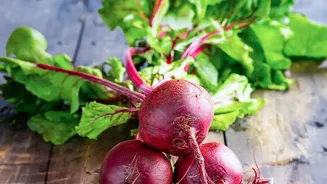
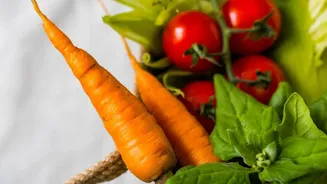
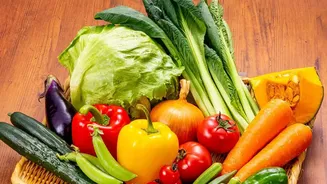
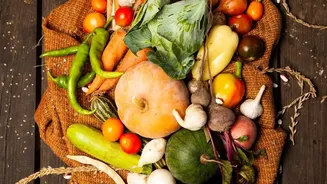
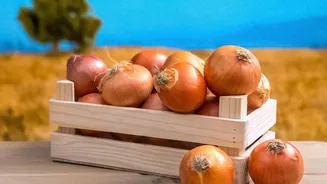
After you've consumed your most delicate items, you can turn your attention to the semi-hardy vegetables. This group includes items like bell peppers, zucchini, cauliflower, and celery, which typically last for about four to seven days when stored correctly. These are your mid-week workhorses, perfect for rounding out meals as the week progresses. Finally, you have the long-lasting foundation of your produce box. Root vegetables like carrots, potatoes, and beets, along with hard squashes like butternut and pumpkin, can last for weeks or even months if stored in a cool, dark place. Onions and garlic are also long-term players. These items provide a reliable backbone for the latter part of your week, ready to be turned into hearty soups, stews, or roasted vegetable medleys long after the delicate greens are gone.