




Mint (Pudina)
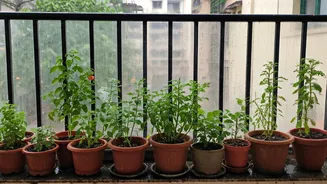
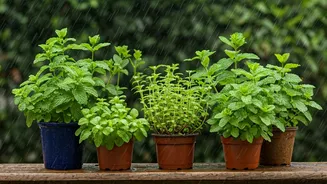
There's nothing quite like a cup of tea with fresh mint, especially when you've plucked the leaves yourself. Mint is famously easy to grow and flourishes in the cool, damp conditions of the monsoon, growing rapidly during this time. It's an ideal plant
for beginners. You can easily grow it from a few healthy cuttings from the market. Plant it in a wide, shallow pot, as mint spreads horizontally. A mix of garden soil, compost, and a little sand for drainage works well. Keep the soil consistently moist but not waterlogged. While it loves sunlight, a spot with morning sun and some afternoon shade is perfect. You can start harvesting leaves within a couple of weeks, and regular trimming will encourage the plant to become bushier.
Holy Basil (Tulsi)
A staple in many Indian households, Tulsi is revered for its medicinal properties and thrives in the warm and humid weather of the monsoon. It is known to boost immunity, which is particularly helpful during a season known for colds and coughs. You can grow Tulsi from seeds or cuttings in a medium-sized pot. The key to a healthy Tulsi plant during the rains is excellent drainage. Ensure your pot has drainage holes and consider adding a layer of gravel at the bottom. Use a well-draining soil mix and water only when the top layer of soil feels dry to the touch. Overwatering is a common problem during this season. Place the plant where it can receive at least four to six hours of indirect sunlight daily, but protect it from heavy, continuous downpours.
Lemongrass
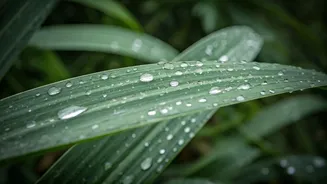
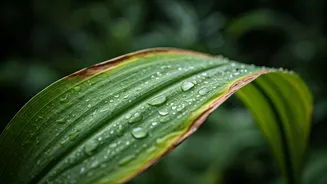
The refreshing, citrusy aroma of lemongrass is a delight, and the plant itself loves the humidity that the monsoon brings. Growing it in a pot also helps as a natural mosquito repellent, which is a significant bonus during the wet season. Lemongrass can be propagated from store-bought stalks; just place them in water until roots appear, then transfer them to a pot. It needs a large, deep pot (at least 12 inches) to accommodate its root system. The plant thrives in loamy, well-drained soil and requires plenty of sunlight. While it loves moisture, ensure the soil isn't constantly soggy. Regular watering and occasional pruning of dry or yellowing leaves will keep it growing well, providing you with fresh stalks for your teas and curries.
Carom (Ajwain)
The Ajwain plant, also known as Indian Borage, has wonderfully aromatic leaves that are distinct from the seeds we commonly use. Its leaves have a pungent, slightly bitter taste and are often used in home remedies for digestive issues and colds. The monsoon is considered an excellent time to grow this herb. It can be grown easily from seeds or cuttings in a pot with well-drained soil; a mix of garden soil and compost is effective. Being a succulent-like plant, it requires less water and is susceptible to root rot, so avoid overwatering at all costs—water only when the soil is dry. It prefers a spot with partial sun, needing about four to six hours of sunlight. Regular pruning helps the plant become bushier and yields more fragrant leaves.