

The Guilt-Free Indulgence
For generations, dessert in India has been a glorious, sugar-laden affair, often accompanied by a side of guilt for the health-conscious. But that narrative is changing. A new wave of young Indians, armed with nutritional knowledge and fitness goals,
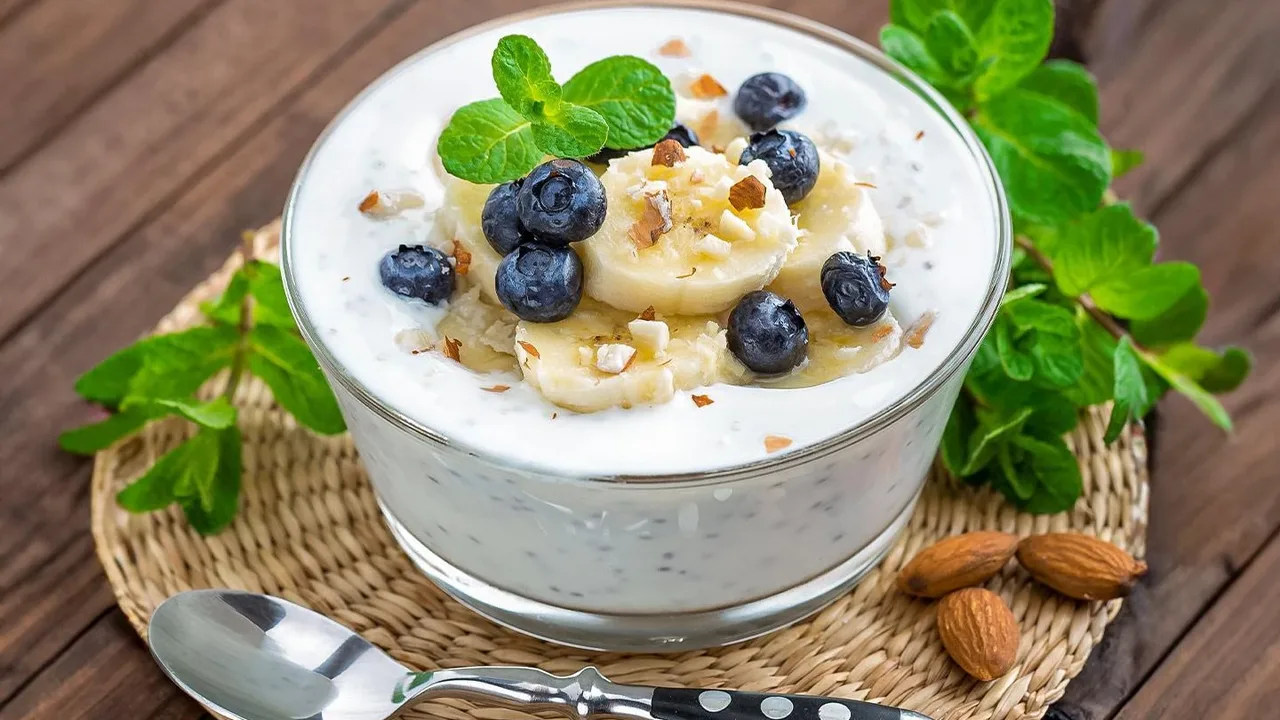
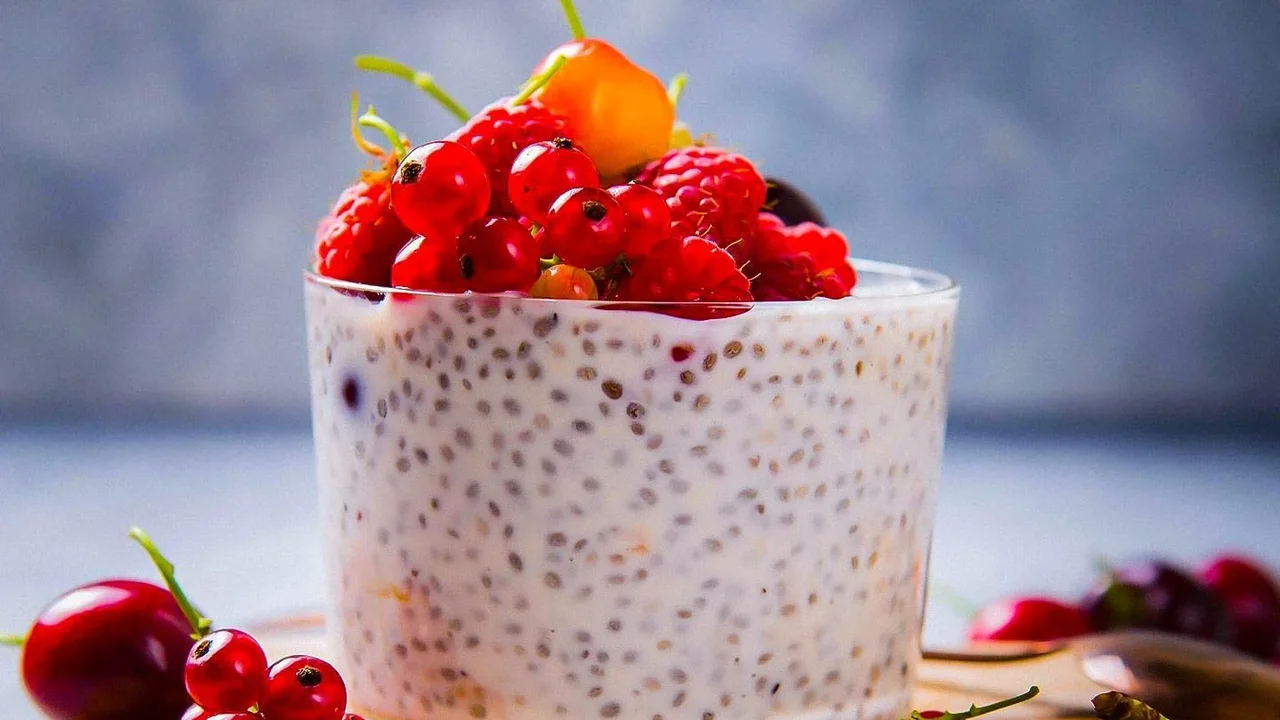
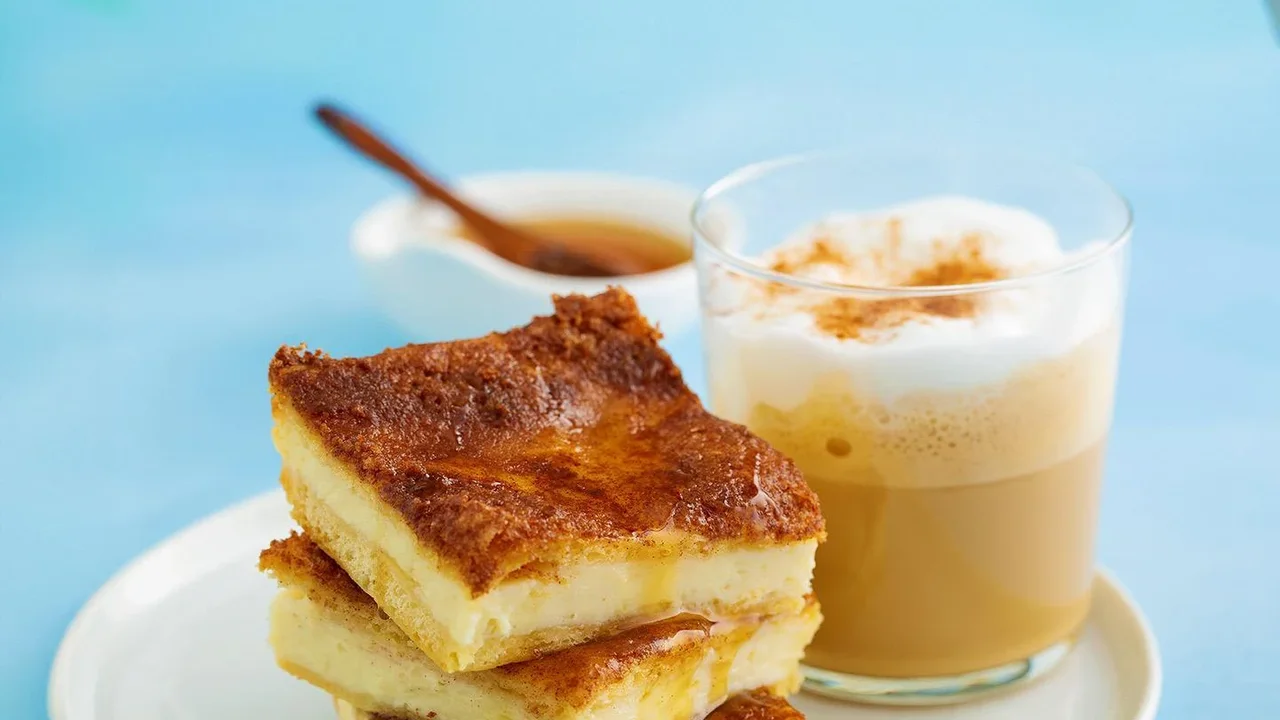
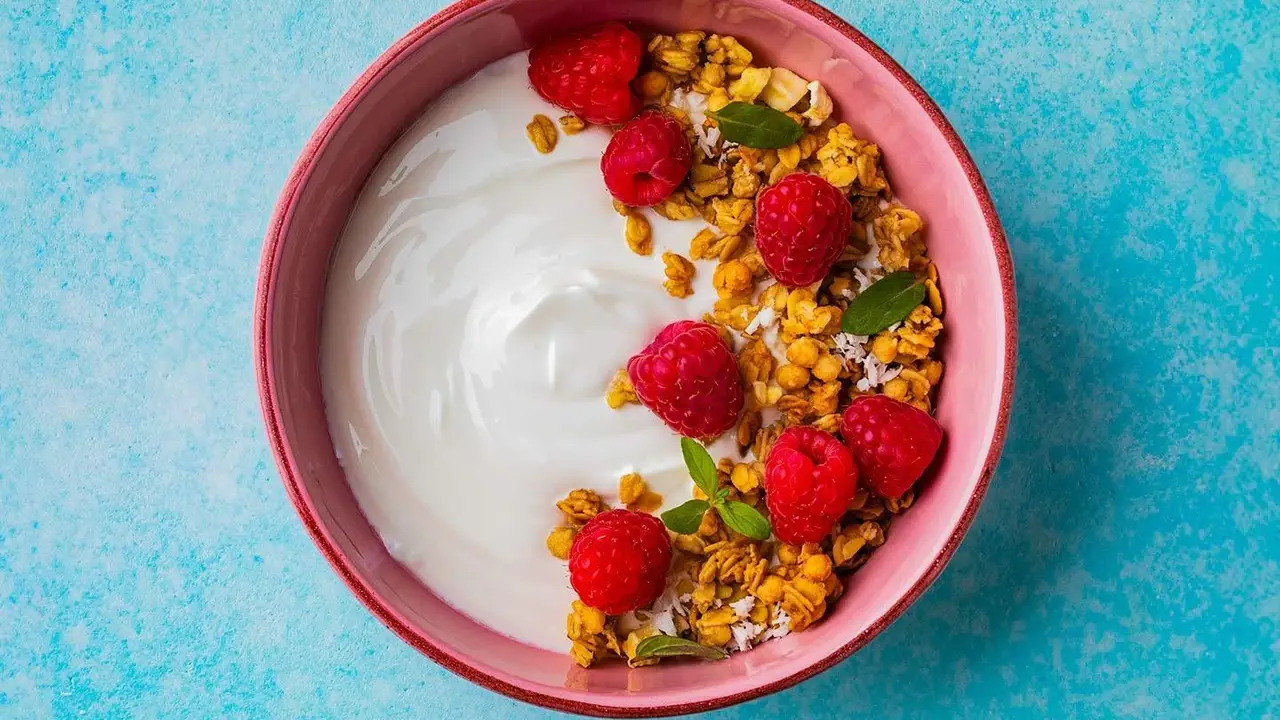
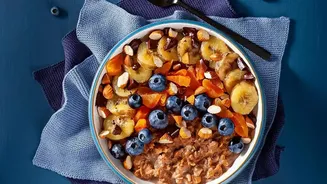
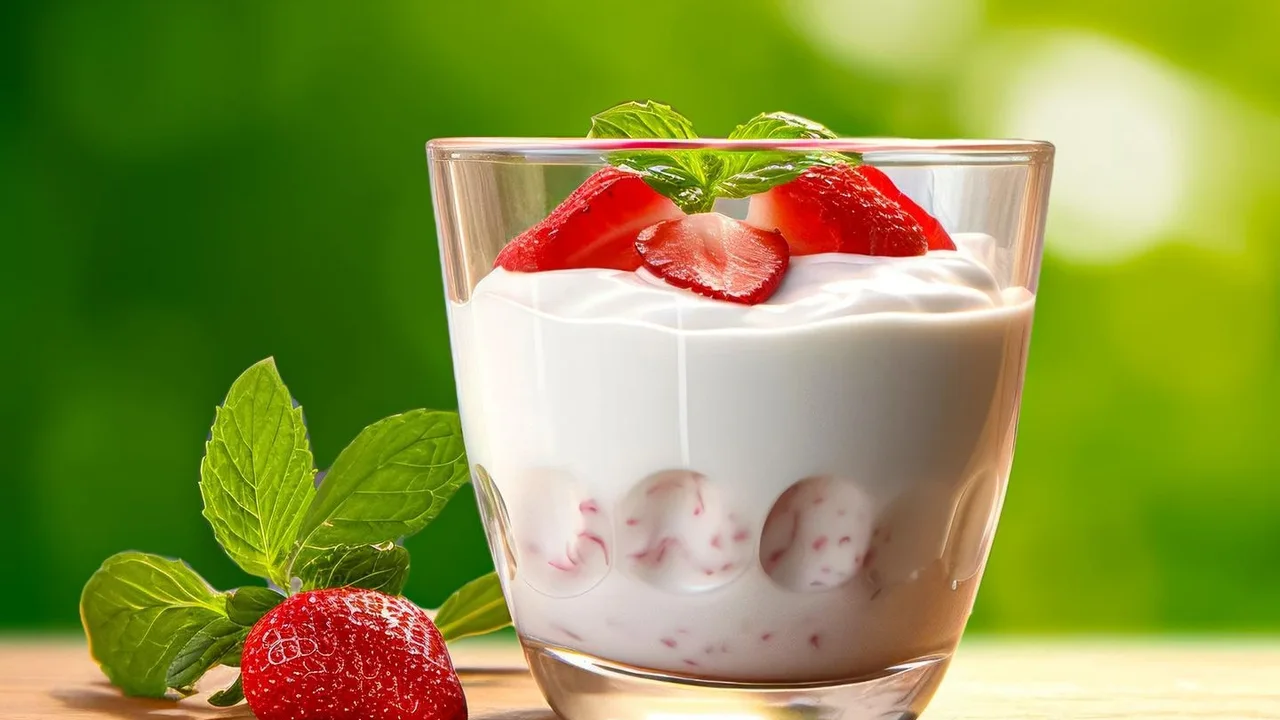
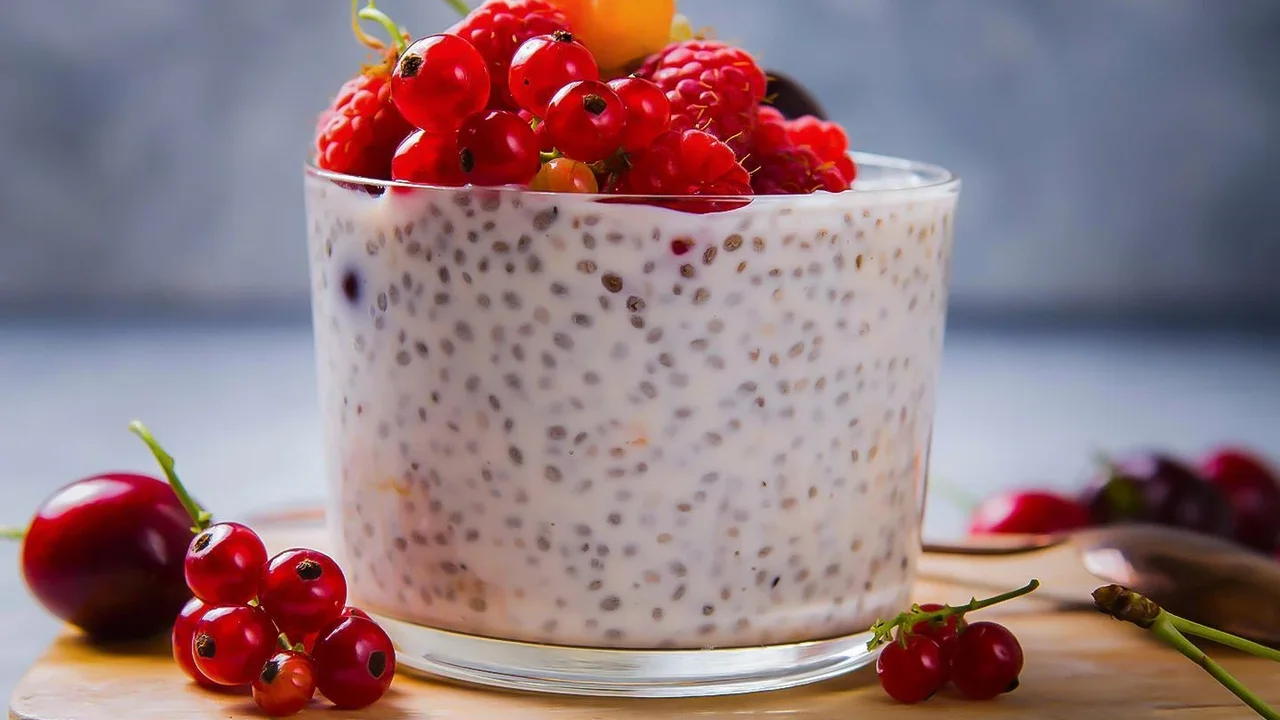
are seeking treats that align with their lifestyle. This has given rise to a booming market for high-protein desserts—from protein-infused ice creams and cheesecakes to modern takes on traditional mithai. The new philosophy is simple: why choose between pleasure and performance when you can have both? This shift reflects a broader change where wellness is not about deprivation but about making smarter, more intentional choices.
From Gym Culture to the Dining Table
This trend is intrinsically linked to India's burgeoning fitness culture. Protein is no longer a niche supplement for bodybuilders; it's a mainstream marker of a healthy lifestyle. Young consumers, particularly Gen Z, are more educated about macronutrients than any generation before them. They actively track their protein intake, driven by a desire for fitness, sustained energy, and preventive health. This mindset has created a massive demand for protein-fortified products, which has surged by 150% on some quick commerce platforms in recent years. Desserts are the final frontier in this protein-obsession, turning a post-workout snack or a late-night craving into a nutritionally functional treat.
A Menu of Modern Delights
So, what does a high-protein dessert look like? The category is diverse and growing. Brands like LEAN and Feed Smart are offering high-protein ice creams and sugar-free desserts that promise indulgence without the sugar crash. These products often use whey or plant-based proteins and natural sweeteners like monk fruit or stevia. Beyond the frozen aisle, you'll find protein bars, cookies, and even ready-to-make brownie mixes. The goal is to deliver the satisfaction of a dessert with a nutritional profile that supports an active lifestyle. For many consumers, the difference between 5 grams of sugar and 15 grams of protein is the difference between a cheat meal and a smart choice.
A Modern Twist on Indian Tradition
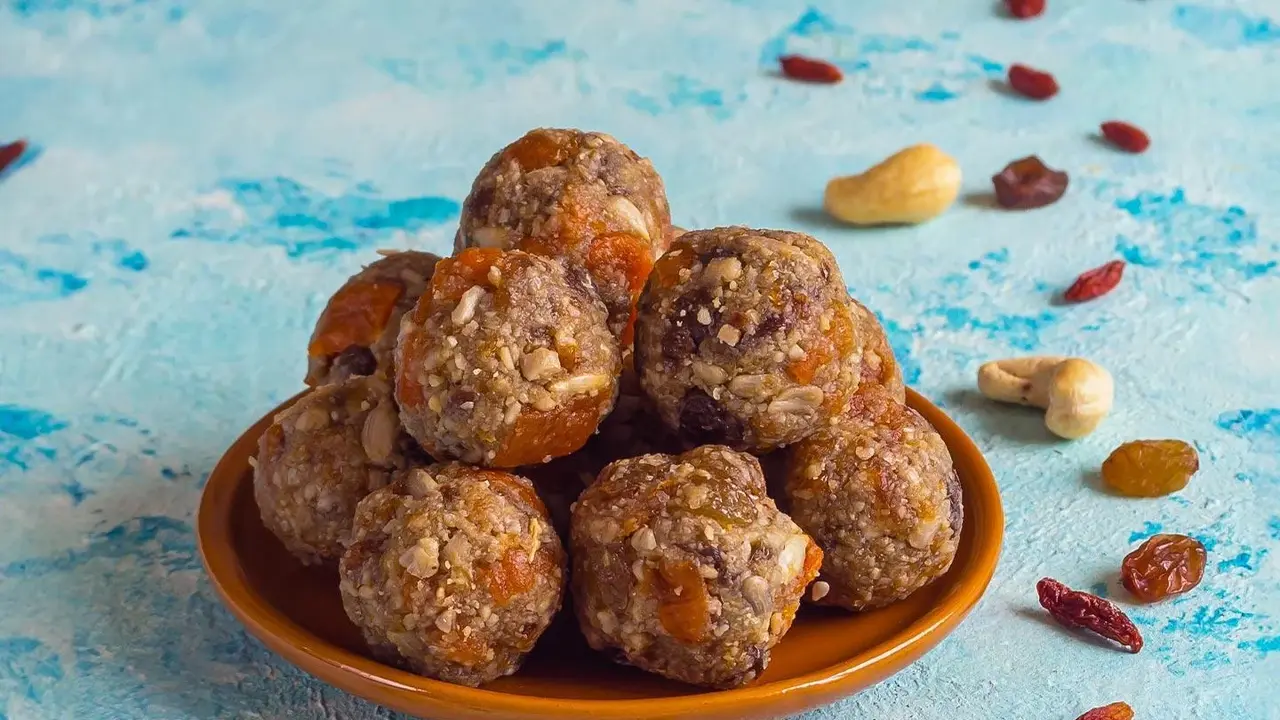
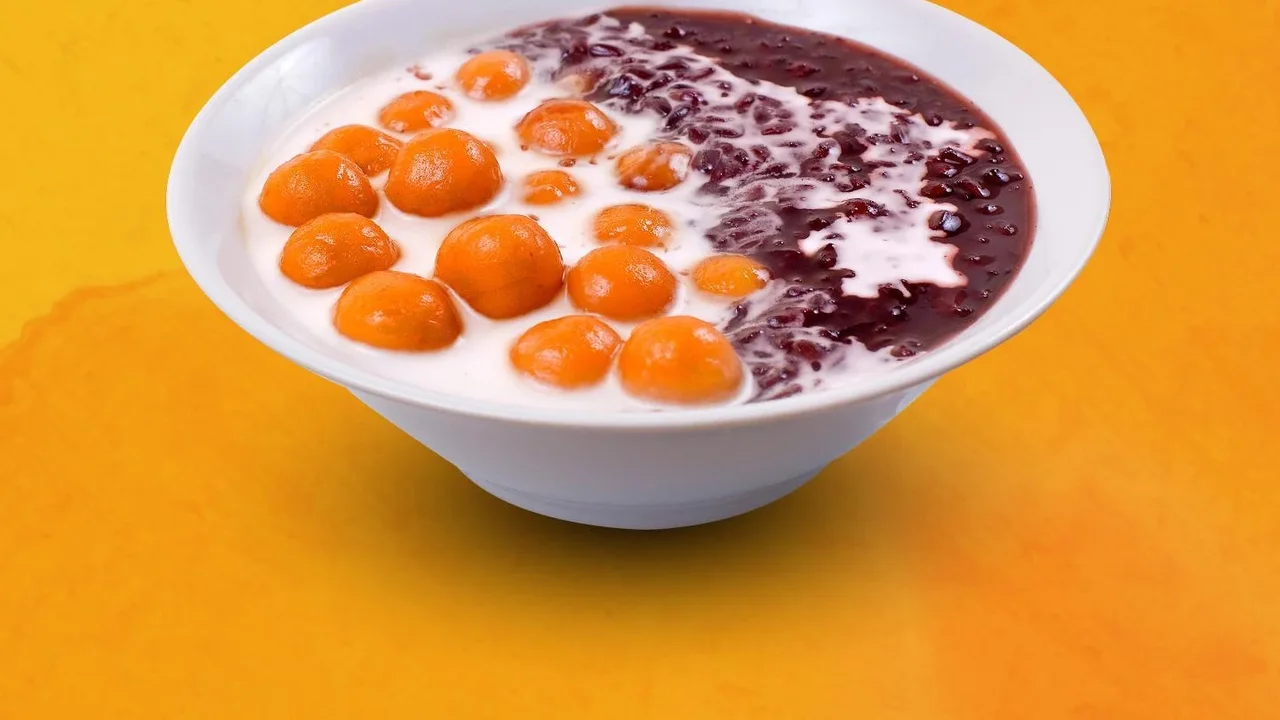
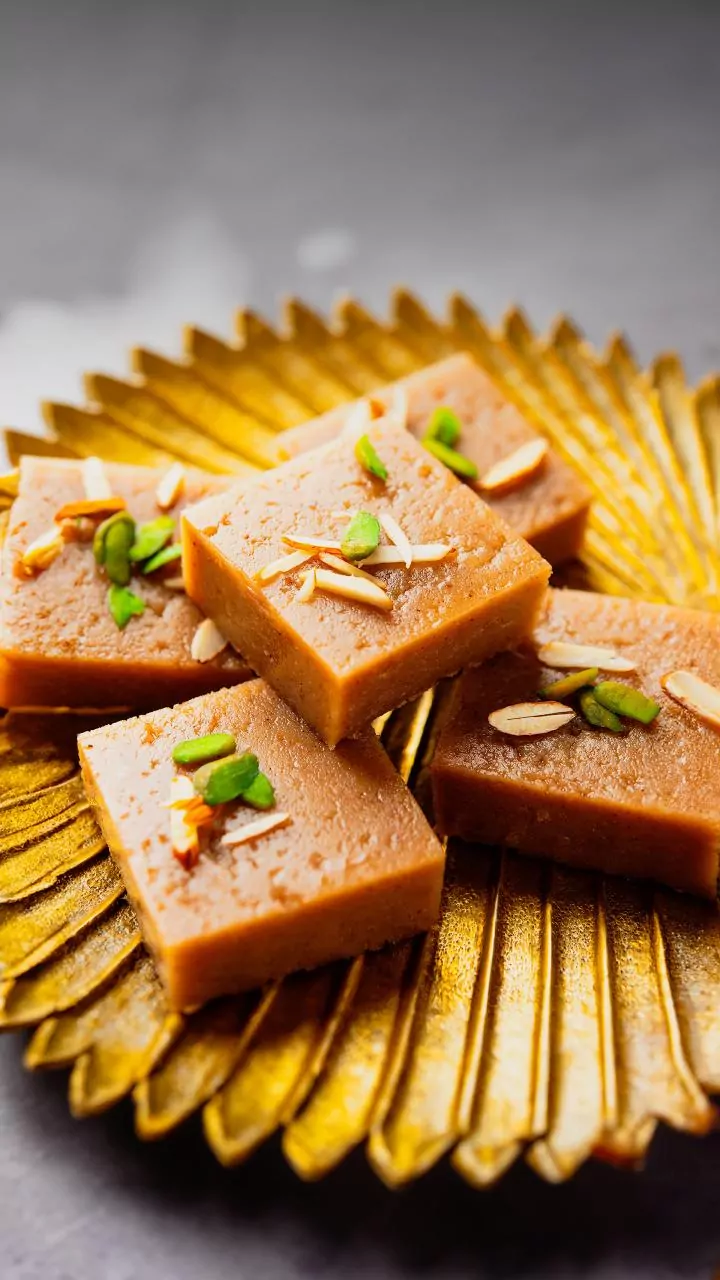
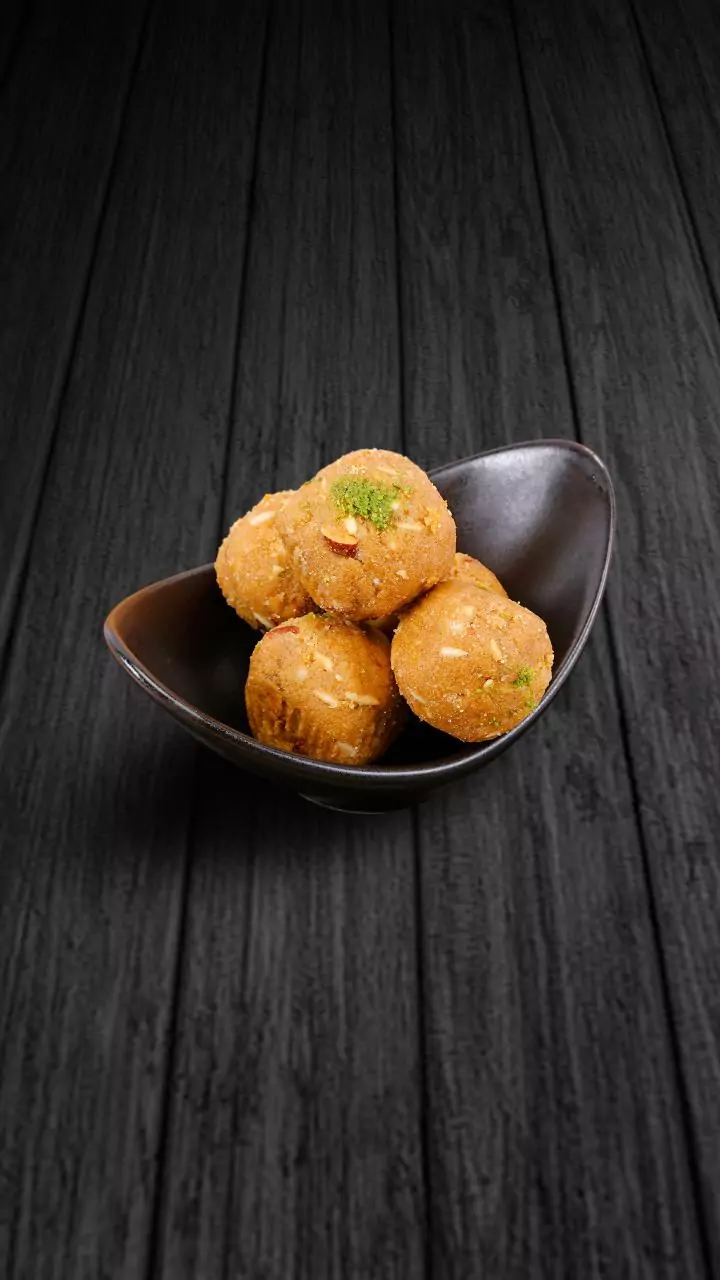
Perhaps the most interesting aspect of this trend is how it intersects with India’s rich culinary heritage. Some brands are reimagining traditional Indian sweets, or mithai, for the modern consumer. Think of Kaju Katli, Almond Burfi, or Kheer, but reformulated to be sugar-free, gluten-free, and packed with protein from ingredients like whey, sattu, or almond flour. This approach honours familiar flavours while aligning with contemporary health goals. Even traditional sweets like Besan Ladoo, Milk Cake, and Ras Malai, which are naturally higher in protein due to ingredients like gram flour, milk, and paneer, are being marketed with a new health-conscious spin. This fusion of old and new is proving to be a winning formula.
The Business of Better Desserts
The rise of high-protein desserts is not just a consumer trend; it's a significant business opportunity. The Indian protein-based product market is projected to grow exponentially, with some estimates suggesting it could reach over $16 billion by 2033. This growth is being fueled by D2C (Direct-to-Consumer) brands that leverage social media and quick commerce to reach consumers directly. This digital-first approach allows them to bypass traditional retail and speak directly to a generation that discovers new products through Instagram and TikTok. The trend is also expanding beyond the metros, with Tier II cities like Nagpur and Jaipur showing faster growth in protein-related orders, signaling a nationwide shift.