





Why Monsoon Demands Extra Vigilance
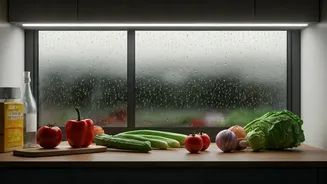
The rainy season brings welcome relief from the heat, but the combination of high humidity and warmth creates the perfect breeding ground for bacteria, mould, and other pathogens. Food spoils faster, germs multiply quickly, and the risk of water contamination
rises. Common monsoon ailments like gastroenteritis, food poisoning, and typhoid are often linked to unhygienic food preparation. This makes kitchen hygiene not just a matter of cleanliness, but a crucial aspect of family health. A damp kitchen counter or a wet chopping board can harbour more germs than you think, turning your comfort food into a source of illness.
Mastering Produce and Pantry Storage
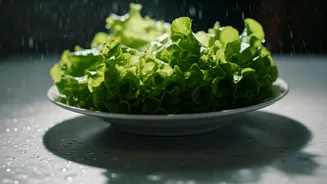
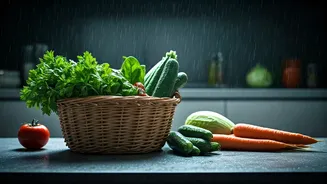
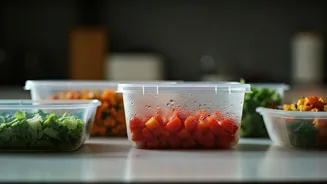
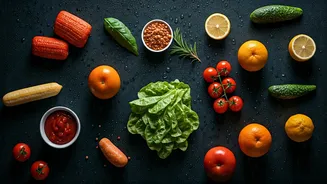
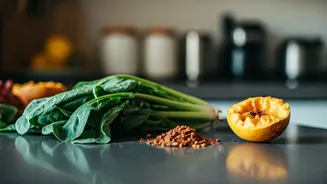
The journey to a safe meal begins with how you store your ingredients. High humidity can make your spices clump, biscuits go soggy, and flour develop mould. The cardinal rule is to use airtight containers for all dry goods like grains, spices, and pulses. Transfer them from their original paper or plastic packaging immediately after purchase. For fresh produce, especially leafy greens which can carry more germs during this season, thorough washing is key. Wash fruits and vegetables under running water just before you plan to use them, not before storing, as excess moisture accelerates spoilage. It's also wise to buy vegetables in smaller batches more frequently.
The Art of Hygienic Cooking
While the temptation for street-side bhajiyas is strong, preparing them at home is the safest bet during monsoon. But home cooking also requires care. Always wash your hands with soap and water before you begin. Use separate chopping boards for vegetables and raw meat to prevent cross-contamination. When it comes to leftovers, cool them quickly and refrigerate them in sealed containers within a couple of hours. In the humid monsoon climate, cooked rice and dal should ideally be consumed within 24 hours even when refrigerated. When reheating food, ensure it is heated thoroughly until steaming hot to kill any potential bacteria.
Conquering Kitchen Surfaces and Tools
Your kitchen surfaces are a primary line of defence. During the monsoon, wipe down countertops with a disinfectant or a vinegar-water solution after every use. Pay special attention to the area behind the sink, which often collects moisture. Don't let water stand in utensils or on surfaces. An exhaust fan is your best friend—use it while cooking to pull steam and moisture out of the kitchen. Wooden implements, including chopping boards and rolling pins, are prone to absorbing moisture and hosting fungus, so ensure they are completely dry before storing. Regularly cleaning your refrigerator, which works harder in humid weather, is also essential to prevent mould growth inside.
Water Purity is Non-Negotiable
Waterborne diseases see a sharp spike during the rainy season. Tap water contamination is a significant risk. Therefore, it is crucial to use only purified water for both drinking and cooking. Boil your drinking water for at least one minute or use a reliable, well-maintained water purifier. Be especially wary of using ice from outside sources, as you can't be sure of the water quality. When washing vegetables, a final rinse with purified water can provide an extra layer of safety. Remember, clean water is the foundation of a clean and safe kitchen.