



Prioritise Perfect Drainage
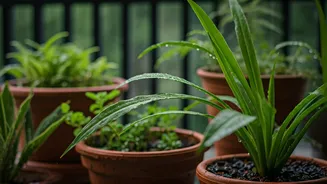
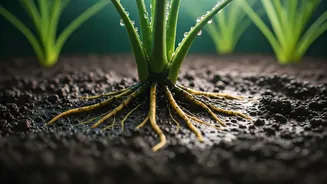
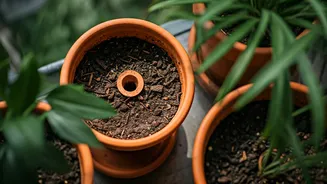
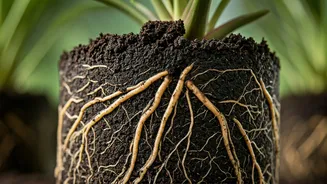
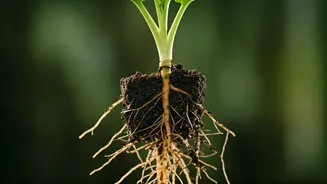
The single most important step for monsoon survival is ensuring excellent drainage. When pots sit in water, roots can't get oxygen, leading to root rot, which is often fatal for plants. First, check that every pot has clear drainage holes at the bottom.
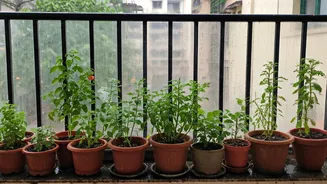
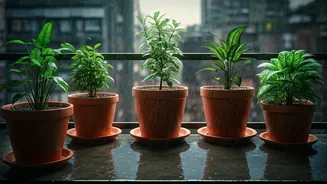
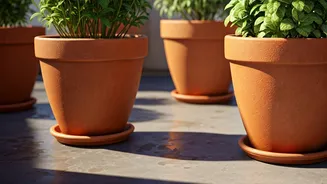
These can get clogged with soil over time. A simple poke with a stick can clear them out. Next, elevate your pots. Placing them on pot feet, bricks, or even simple wooden blocks allows excess water to escape freely and prevents them from sitting in puddles. If water collects in the saucers beneath your pots, be sure to empty them promptly after a heavy shower.
Water Wisely, Not Widely
It may seem counterintuitive, but overwatering is a huge risk during the monsoon. Don't stick to your summer watering schedule. The frequent rain and high humidity mean the soil stays moist for much longer. Before you water, always check the soil. Stick your finger about two inches deep; if it feels damp, hold off on watering. Most plants will get enough moisture from the rainfall alone. However, plants under a deep awning or roof might still need occasional watering, so check them individually instead of watering everything at once.
Improve Air Circulation
High humidity is a breeding ground for fungal diseases like powdery mildew and black spot. You can combat this by improving air circulation around your plants. Avoid overcrowding pots; giving each plant some breathing room helps foliage dry faster after a downpour. This is also a good time for some light pruning. Trim away any yellowing, dead, or diseased leaves immediately. Snip off some of the dense inner branches to open up the plant, allowing more air and light to penetrate the centre. This simple tidying up makes it harder for fungal spores to take hold.
Stay Alert for Pests
The damp, cool weather is an open invitation for pests like slugs, snails, aphids, and mealybugs. Get into the habit of inspecting your plants every few days. Check under leaves and around new growth, as this is where pests love to hide. Catching an infestation early makes it much easier to manage. For a good all-purpose, organic solution, a diluted neem oil spray can be used as a preventive measure every 10-14 days. It acts as both a fungicide and a pesticide, helping to keep most common monsoon problems at bay.
Rethink Your Fertilising Schedule
Heavy monsoon rains can wash essential nutrients out of the soil in pots. However, this doesn't mean you should fertilise more. Most plants slow their growth during the high-stress conditions of the monsoon, so their nutrient needs are lower. Over-fertilising can burn the roots, especially in soggy soil. It's best to reduce the frequency of feeding. If you do fertilise, opt for slow-release organic options like vermicompost or a very diluted liquid feed. Avoid applying any fertiliser during periods of continuous heavy rain.
Shelter Your Delicate Plants
Not all plants enjoy a torrential downpour. Succulents, cacti, and certain delicate flowering plants are particularly vulnerable to rot from too much water. If you have these varieties, it’s best to move them to a more sheltered spot for the season. A covered part of the balcony, under an eave, or even indoors near a bright window can provide the protection they need from the constant wetness. For larger pots that are difficult to move, you can try tilting them to help excess water drain out after a storm.