





First, What Is Zone 2 Cardio?
Zone 2 cardio refers to exercising at a low-to-moderate intensity, specifically at 60% to 70% of your maximum heart rate. This is often called the "conversational pace" because you should be able to hold a conversation without gasping for breath. It’s
a level of effort that feels comfortable and sustainable for long periods, from 30 minutes to over an hour. To estimate your Zone 2 range, you can use a simple formula: subtract your age from 220 to get your approximate max heart rate, then calculate 60% and 70% of that number. For example, a 40-year-old has an estimated max heart rate of 180 beats per minute (bpm), making their Zone 2 range approximately 108 to 126 bpm. This zone is the sweet spot for building a strong aerobic foundation.
The Endurance-Building Magic of Zone 2
Working out in Zone 2 does wonders for your body's energy systems. This intensity level primarily trains your mitochondria, the powerhouses within your cells. Regular Zone 2 training increases both the number and efficiency of your mitochondria, allowing your body to produce more energy aerobically. It also trains your body to become better at using fat for fuel instead of relying solely on stored carbohydrates (glycogen). This improved fat metabolism provides a nearly endless energy source for long-duration activities, which is the very definition of endurance. Furthermore, training in this zone helps your body efficiently clear lactate, a byproduct of exercise that can lead to fatigue at higher intensities. By improving these systems, you build a robust aerobic base that supports all other fitness activities.
Why the Rower Is a Perfect Partner
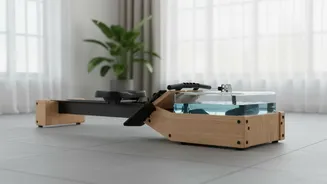
While you can do Zone 2 training with many activities, the rowing machine is uniquely suited for it. First, rowing is a total-body workout, engaging up to 86% of your muscles with every stroke, including your legs, core, back, and arms. This widespread muscle engagement makes it easier to elevate and sustain your heart rate within the desired Zone 2 range without overtaxing a single muscle group. The rhythmic, fluid motion of rowing also helps you maintain a steady, consistent effort, which is key for staying in a specific heart rate zone. Unlike running, where your heart rate can spike on hills, a rower allows you to maintain precise control over your intensity, ensuring you get the maximum benefit from your session.
The 'Impact-Free' Advantage for Longevity
Perhaps the most significant benefit of rowing is that it's a low-impact (or nearly impact-free) exercise. High-impact activities like running involve pounding the pavement, which can lead to stress on your joints, particularly in the ankles, knees, and hips. Over time, this can contribute to wear-and-tear and increase the risk of injury. The rowing stroke is a smooth, gliding motion where your feet remain connected to the footplates and your body is supported. This allows you to get a vigorous cardiovascular workout without the associated joint strain. This makes rowing an incredibly sustainable form of exercise, suitable for people of all ages and fitness levels, and ideal for those looking to build fitness for the long haul without being sidelined by injuries.
Putting It All Together: A Simple Rowing Plan
Incorporating Zone 2 rowing into your routine is straightforward. Aim for two to three sessions per week, starting with 20-30 minutes and gradually increasing the duration as your endurance improves. Focus on maintaining a consistent pace and effort level that keeps your heart rate squarely in your Zone 2 range. Don't worry about your speed or power output initially; the primary goal is time spent in the zone. A typical stroke rate for this type of work is often between 18-22 strokes per minute, but the main guide should always be your heart rate. Listen to your body—it should feel easy enough to hold a conversation. Over time, you'll notice you can row faster and longer at the same comfortable heart rate, a clear sign your endurance is improving.