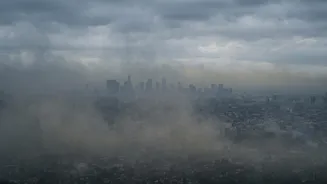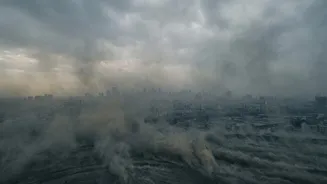



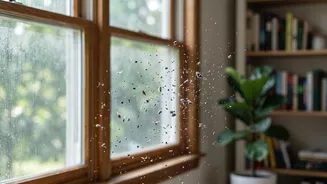


As the familiar grey haze of winter smog settles over our cities, we often retreat indoors, believing we are safe from the pollution outside. But the four walls of our homes may be offering a false sense of security against this pervasive health threat.
The Hidden Dangers of Winter Smog
Winter smog is not merely fog; it is a toxic cocktail of pollutants trapped near the ground by cold air. A phenomenon known as temperature inversion prevents pollutants from dispersing, keeping them suspended at breathing level for days. This mixture contains fine particulate matter (PM2.5), which is about 30 times smaller than a human hair, along with other harmful gases. These microscopic particles are dangerous because they can bypass the body's natural defences, penetrating deep into the lungs and even entering the bloodstream. Long-term exposure is linked to serious health conditions, including heart disease, stroke, chronic respiratory diseases, and reduced lung capacity. Children, the elderly, and those with existing health conditions are particularly vulnerable.
The Myth of a Safe Indoors
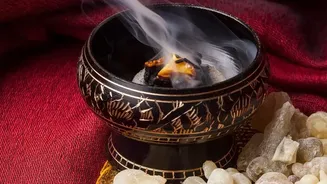
Contrary to popular belief, outdoor pollution does not stay outside. Studies show that indoor air can be two to five times more polluted than the air outdoors. Fine particles like PM2.5 easily infiltrate our homes through cracks in walls, gaps around windows and doors, and ventilation systems. Once inside, these pollutants can become trapped and accumulate. Furthermore, our homes have their own sources of pollution that add to the problem. Everyday activities like cooking, especially frying and using gas stoves, burning incense or candles, and using certain cleaning products and air fresheners release harmful compounds into the air.
Health Consequences of Poor Indoor Air
The cumulative effect of infiltrated outdoor smog and indoor-generated pollutants can have significant health consequences. Short-term effects often include coughing, throat irritation, headaches, and eye and skin irritation. For those with asthma or other respiratory conditions, poor indoor air can trigger severe attacks. Over the long term, repeated exposure to high levels of indoor pollutants can contribute to the development of chronic conditions. Research has shown that prolonged exposure to PM2.5 is associated with an increased risk of respiratory infections, reduced lung function, cardiovascular problems, and even lung cancer.
Your Action Plan for Cleaner Indoor Air
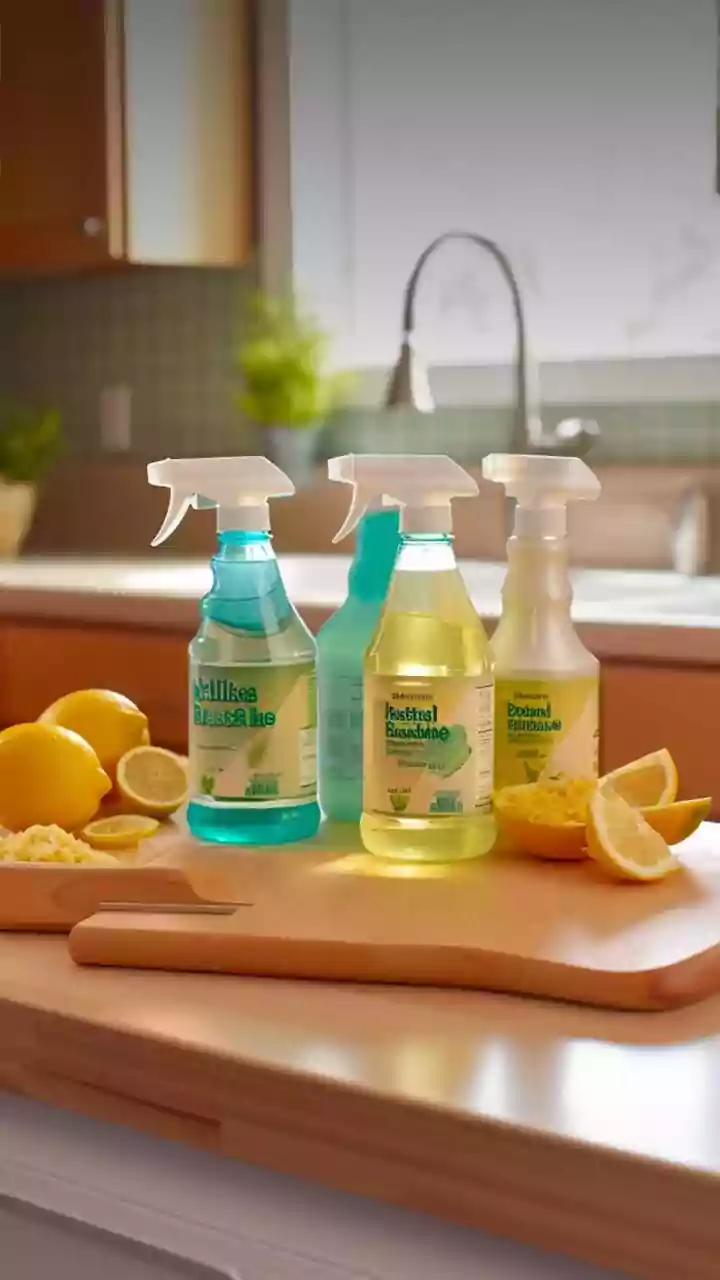
While you may not be able to control the outdoor air quality, you have significant power to improve the air inside your home. The first step is source control. Reduce activities that generate indoor pollutants, such as burning incense, and ensure your kitchen has good ventilation by using an exhaust fan when cooking. When it comes to cleaning, opt for low-VOC (Volatile Organic Compound) products and avoid heavily scented air fresheners.
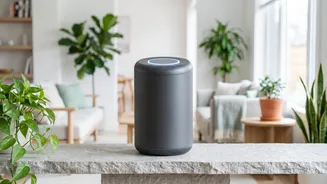
Second, invest in air purification. A portable air cleaner with a High-Efficiency Particulate Air (HEPA) filter is highly effective at removing fine particles like PM2.5 from the air. Studies confirm that HEPA purifiers can significantly reduce indoor PM2.5 concentrations, making the air much safer to breathe. For best results, place the purifier in the room where you spend the most time, such as the bedroom, and ensure it is the correct size for the space. Keep windows and doors closed when the purifier is running and during high pollution days.
Smart Ventilation and Sealing
Strategic ventilation is key. Airing out your home is important to reduce the buildup of indoor pollutants, but timing is crucial during smog season. Use air quality monitoring apps to identify periods when the outdoor AQI is lower, and open your windows for short periods during these times to allow fresh air in. It's also wise to seal leaks in your home to prevent polluted air from infiltrating. Check for gaps around windows and doors and use weatherstripping to seal them. If you have an air conditioner, set it to recirculation mode to avoid pulling in polluted outdoor air.