



A Splash of Colour on The Concrete Canvas
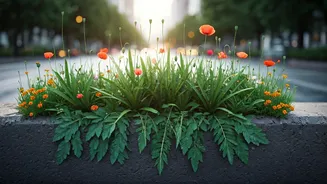
As the first heavy showers of the 2026 monsoon wash over Mumbai, residents are noticing a delightful and unintended side effect. Along the city's bustling roads and flyover dividers, patches of vibrant green and spontaneous wildflowers are pushing through
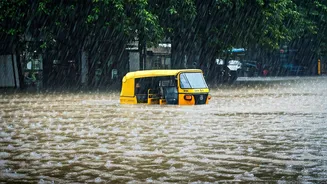
the grey, creating a stark, beautiful contrast. From the Western Express Highway to the arterial roads of the suburbs, commuters are being treated to impromptu gardens. These aren't the meticulously planned bougainvillea pots the BMC has been installing on some flyovers; this is nature's own, more rugged, guerrilla gardening campaign. The sight offers a welcome visual respite from the usual monsoon chaos of traffic and inundated streets, turning dreary drives into a city-wide game of spotting the latest blooms.
The Science Behind the Spontaneous Splendour
So, how does a tarred road divider suddenly become a wildflower meadow? The answer lies dormant, waiting for the right conditions. The soil and dust that accumulate in the cracks and crevices of medians and dividers are packed with seeds. These seeds, carried by wind, birds, or traffic, can lie inactive for months through the scorching summer heat. The arrival of the monsoon provides the two essential ingredients they need to burst to life: water and cooler temperatures. Many of these plants, like Portulaca, Coleus, and even certain grasses and ferns, are incredibly hardy and fast-growing. The continuous moisture and overcast skies of the early monsoon are perfect for these opportunistic species, allowing them to germinate and flourish in a matter of days.
More Than Just Weeds
While it might be tempting to dismiss this sudden greenery as mere 'weeds', botanists and environmentalists see it as a sign of urban ecological resilience. These plants, often native and hardy species like the tough and heat-tolerant Kaner (Cascabela thevetia) frequently used on highway dividers, play a small but vital role. They help bind the soil, preventing erosion from the heavy rains. They provide a micro-habitat for insects and pollinators, creating tiny pockets of biodiversity amidst the urban sprawl. This phenomenon is a visual reminder that even in one of the world's most densely populated cities, nature is incredibly persistent, always ready to reclaim any space it can find.
A City Captivated
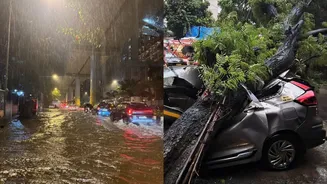
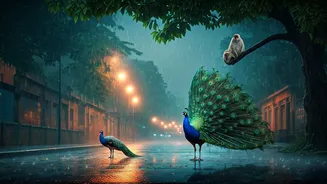
Mumbaikars, known for their resilience, are also known for their ability to find joy in small things. This natural 'upgrade' has not gone unnoticed. Social media feeds are filling up with photos of these roadside blossoms, with citizens sharing the locations of particularly beautiful patches. It’s a city-wide conversation celebrating the unexpected. This wave of appreciation is a welcome counterpoint to the usual monsoon news of fallen trees and waterlogging. In a season that also brings sightings of peacocks to South Mumbai streets, this burst of floral colour adds to the sense that the monsoon, for all its challenges, also brings a unique and wild beauty back to the city.
Enjoy It While It Lasts
This roadside spectacle, however, is as fleeting as it is beautiful. The same monsoon that gives these plants life will also, in many cases, bring about their end. Increased rainfall can wash away the shallow soil, and the constant barrage from traffic takes its toll. The life cycle of these plants is short and intense, a brief explosion of life tailored to the monsoon window. Their transient nature makes them all the more special, a reminder to appreciate the small, beautiful moments the season offers. This isn't a permanent park, but a pop-up exhibition by Mother Nature, with a very limited run.